 +86 138 8989 6699














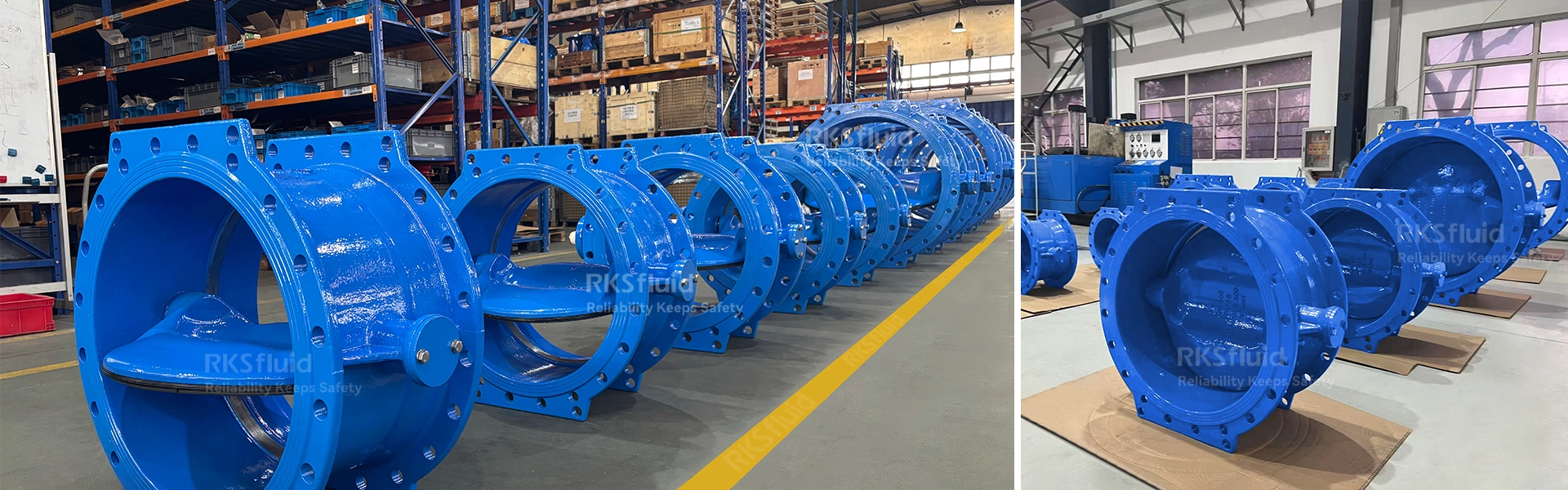
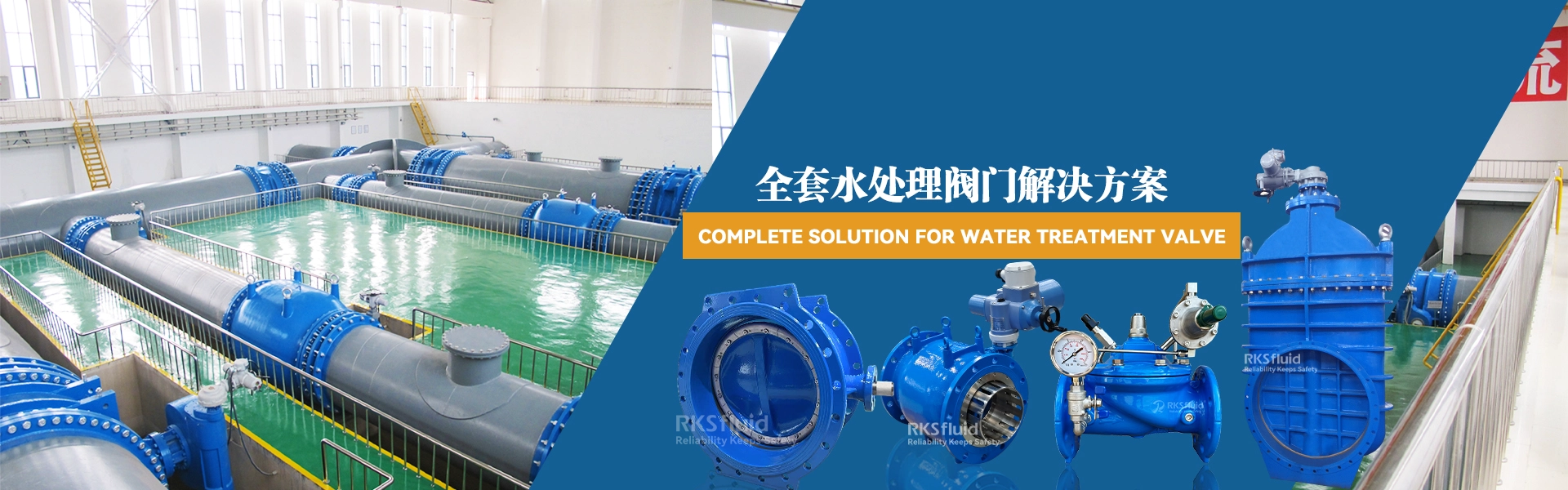
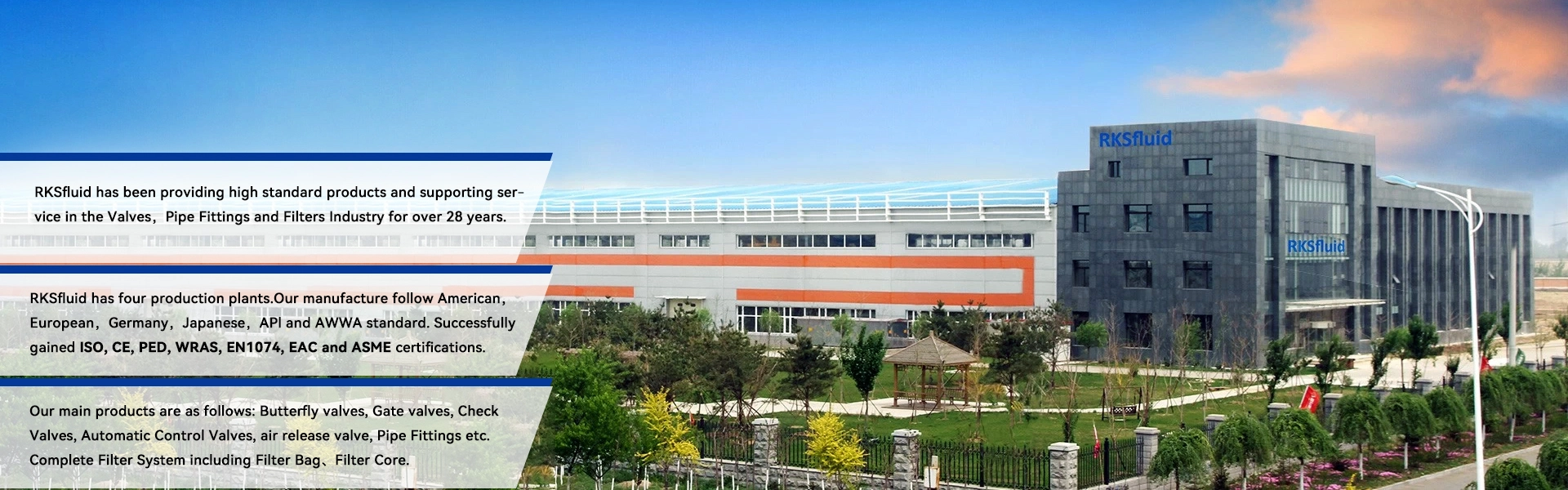





O fluido RKS foi fundado em 1997. Somos uma oficina de produção para fundição e usinagem, centro de pesquisa e desenvolvimento e centro de inspeção de qualidade...
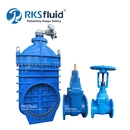
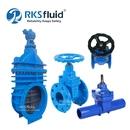
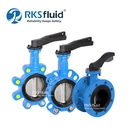
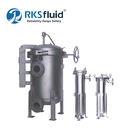
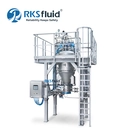
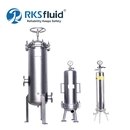
Série: Filtro de Vela Comprimento do núcleo do filtro: 800 ~ 2500 Dimensões do cilindro do filtro: 550 ~ 2200 Especificação do bolo de filtro: 15 ~ 60 mm Número do núcleo do filtro: 7 ~ 205 Área de filtro: 0,9 ~ 144,8㎡ Aplicação: Biofarmacêutica, Indústria Química, Alimentos e Bebidas, Processamento de Metais
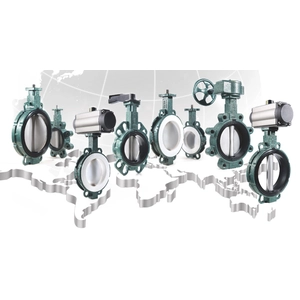
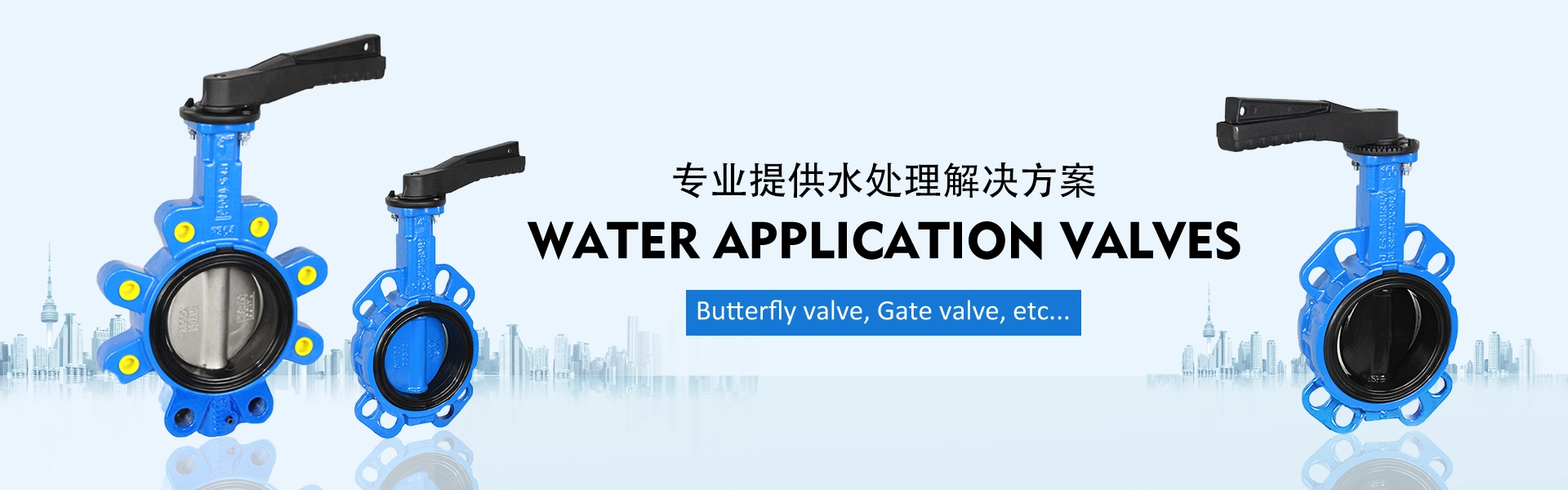
As válvulas borboleta já existem há muito tempo e são usadas para uma variedade de aplicações. Eles fizeram sua primeira aparição durante a década de 1930, e foram utilizados por várias indústrias desde então. Geralmente feito de ferro fundido, o nome da válvula de borboleta é baseado na funcionalidade de seu disco.
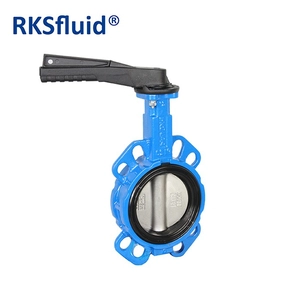
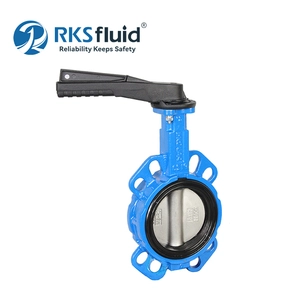
A válvula borboleta tipo wafer é um dos tipos mais comuns de válvulas em tubulações industriais. A estrutura da própria válvula borboleta é relativamente pequena. É necessário apenas colocar a válvula borboleta no meio do flange em ambas as extremidades do tubo e usar o parafuso prisioneiro para passar através do flange do tubo e do par.
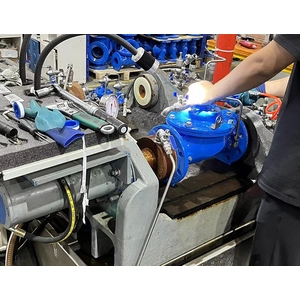
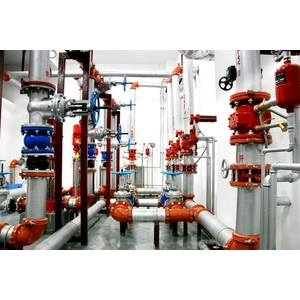
As válvulas são os equipamentos mais comuns em empresas químicas. Parece fácil instalar válvulas, mas se elas não forem implementadas de acordo ...
A válvula manual é uma válvula operada pela alça e pelo volante e é uma válvula comumente usada na tubulação do equipamento.

O padrão DIN agora usa o comprimento da estrutura padrão EN
EN 558-1 Comprimento da construção da válvula de conexão de flange PN (em vez de DIN 3202), EN 558-2 Comprimento da construção da válvula de conexão de flange (em vez de BS2080), EN 12982 comprimento da construção da válvula final (em vez de DIN 3202) O comprimento da estrutura, incluindo o comprimento da válvula API é basicamente o mesmo que o comprimento do GB ...
O disco da válvula borboleta é um componente chave da válvula borboleta, que atua no fechamento, abertura e fechamento. Método de substituição d...
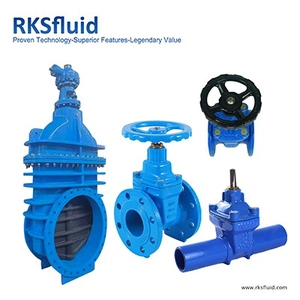
Válvula de porta com base em resiliente com conexão de tampa aparafusada; Feito de materiais de ferro dúctil e com revestimento epóxi, projetado como no sentido horário e anti-C ...
O que é o filtro Kieselguhr? Qual é o princípio de funcionamento do Filtro Kieselguhr? O filtro kieselguhr (filtro de vela / filtro de bolo) que personalizamos para a planta de produtos químicos de flúor, mais seis processos de fósforo de fluoreto de lítio e fosfato foram instalados e estão funcionando há dois anos
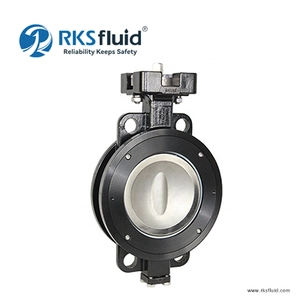
Minotauro Série Setreatable Alta Performance Válvula de borboleta
Válvula redutora de pressão is also called pressure-stabilizing valve, pressure-reducing pressure-stabilizing valve.
Uma válvula redutora de pressão (PRV) é uma válvula de controle automático projetada para reduzir uma pressão de entrada não regulada mais alta para uma pressão constante e reduzida a jusante (saída), independentemente das variações na demanda e/ou pressão de água a montante (entrada).
Veja como funciona:
1. Pressão de entrada versus pressão de saída
Inlet Pressure (High Pressure Side): The fluid enters the valve at a higher pressure from the supply system.
Outlet Pressure (Lower Pressure Side): The PRV reduces the pressure of the fluid and ensures a consistent, lower pressure at the valve"s outlet.
2. Componentes Principais
Valve Body: The housing that contains all the internal parts and controls the fluid flow.
Spring and Diaphragm Assembly: These work together to sense and respond to pressure changes.
Adjusting Screw (or Knob): Allows the user to set the desired outlet pressure.
Valve Seat and Disc: Control the fluid flow by opening or closing to reduce pressure.
3. Mecanismo Básico de Trabalho
When high-pressure fluid enters the valve, it passes through a partially open valve seat.
Dentro da PRV, o diafragma detecta a pressão a jusante (saída) e ajusta a posição da válvula para manter uma pressão constante e reduzida na saída.
The spring tension (set by the adjusting screw) helps to control the force on the diaphragm. Quando a pressão a jusante atinge o nível desejado, a válvula se ajusta automaticamente para reduzir ou interromper o fluxo adicional, mantendo a pressão estável.
Se a pressão de saída cair (por exemplo, devido ao aumento da demanda de água), a válvula abrirá ainda mais, permitindo a passagem de mais fluido e aumentando a pressão. If the outlet pressure increases, the valve closes slightly to reduce the pressure.
4. Ciclo de Feedback
Os PRVs operam com base em um mecanismo de feedback. They continuously sense the outlet pressure and make fine adjustments to regulate the flow. The diaphragm moves up or down depending on the outlet pressure, which either opens or closes the valve to maintain the desired pressure.
5. Benefícios do PRV
(1) Protege sistemas de encanamento: Prevents damage caused by high pressure, such as burst pipes or leaks.
(2) Melhora a segurança e a eficiência: Ensures consistent pressure in a range of applications (e.g., residential water systems, industrial machinery).
(3) Economia de energia: Reduces energy consumption by preventing pumps from working harder than necessary.
Em resumo, uma PRV regula e mantém automaticamente a pressão mais baixa na sua saída, ajustando a posição da válvula em resposta às alterações na pressão a jusante, garantindo que o sistema opere de forma segura e eficiente.
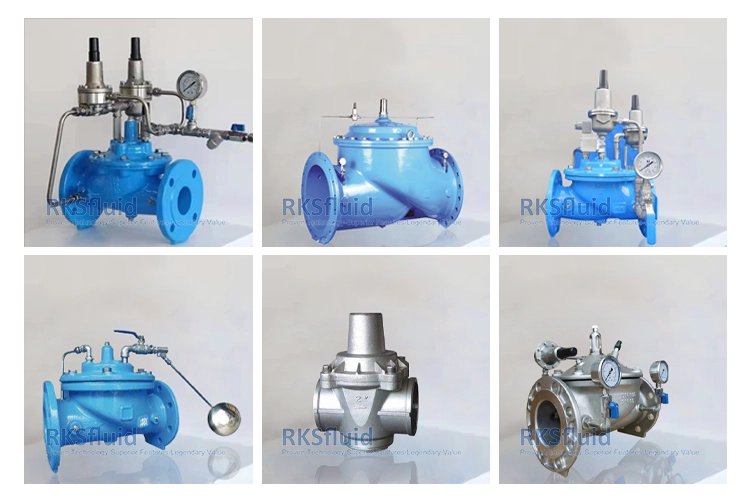 |
RKSfluid specializes in manufacturing various types of pressure reducing control valves, dedicated to providing high-quality fluid control solutions for a wide range of industries. Como um fabricante experiente, a RKSfluid espera oferecer consultas profissionais e serviços personalizados.