 +86 138 8989 6699














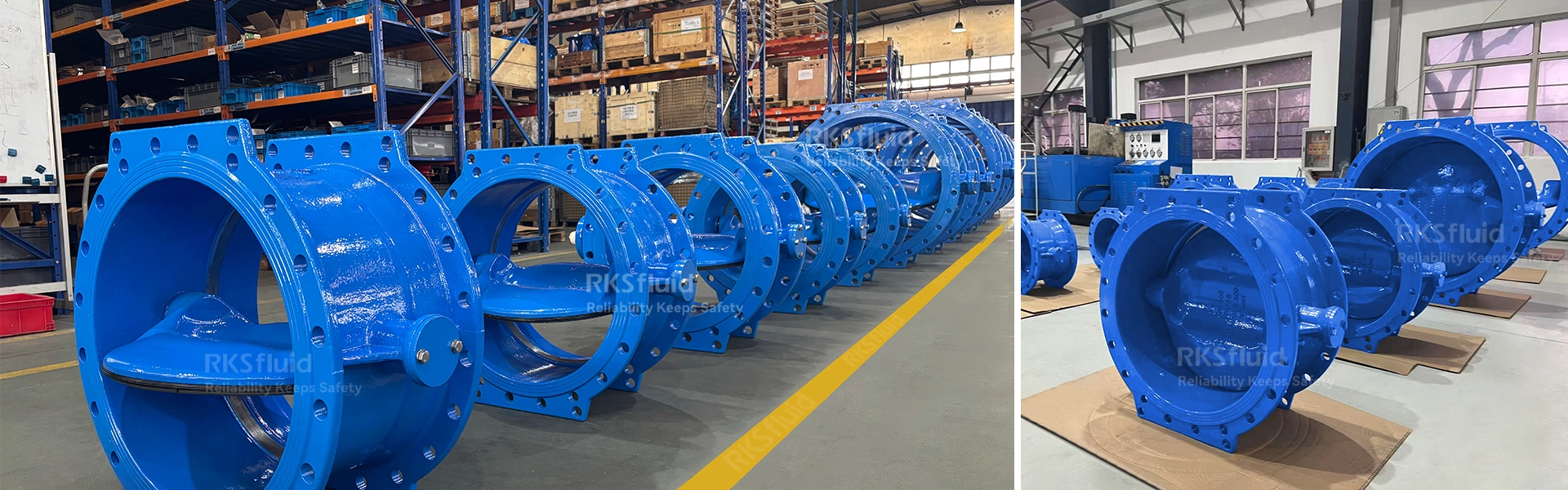
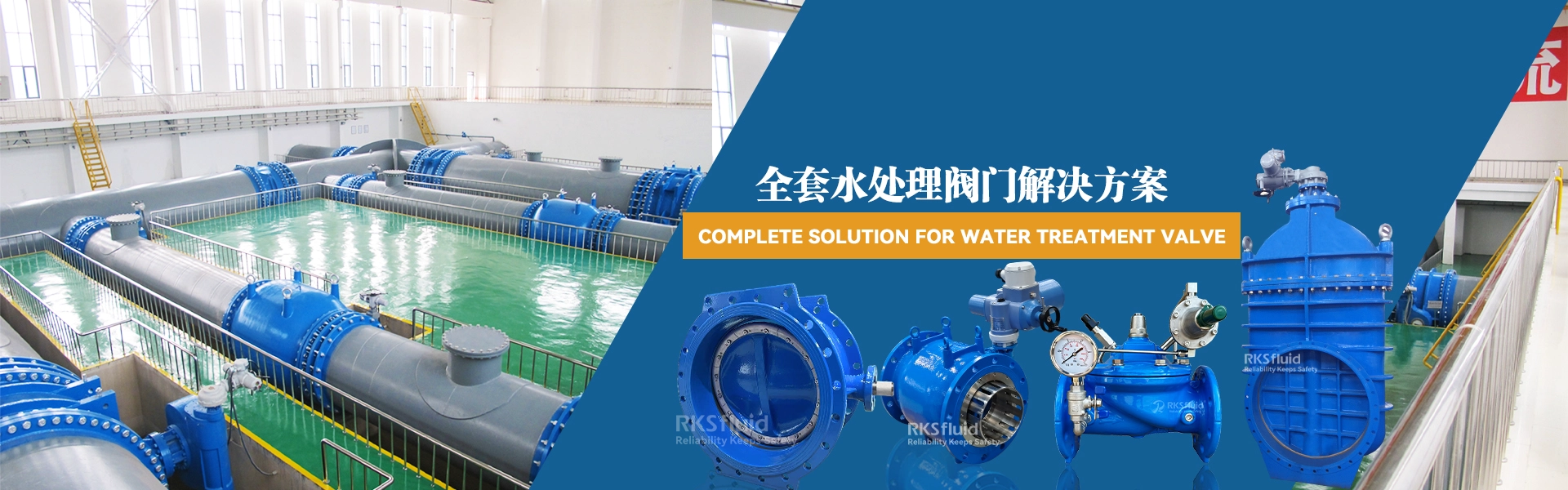
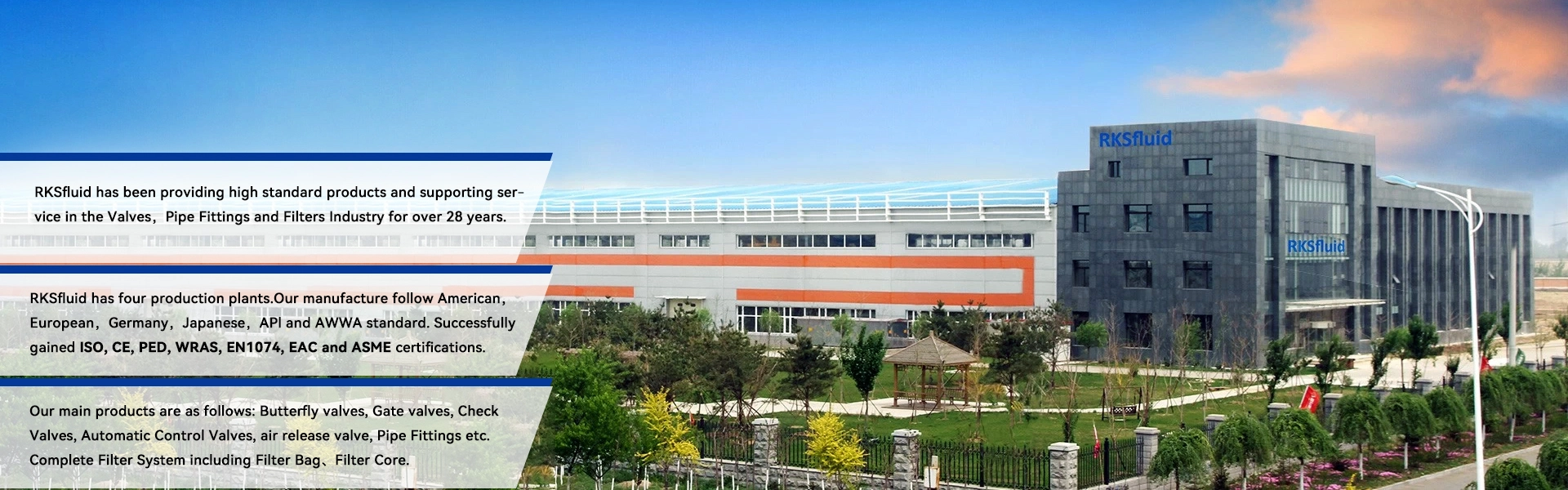
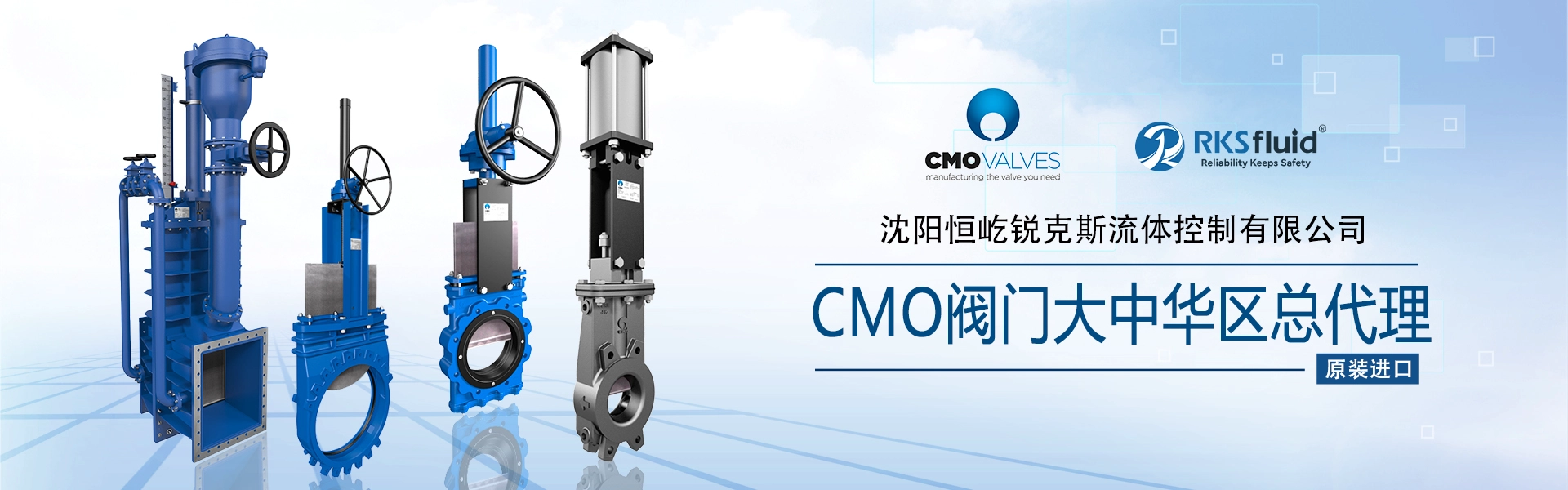




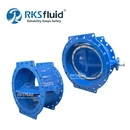
RKS fluid was founded in 1997. We are a production workshop for both foundry and machining, research & development center, and quality inspection cent...
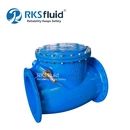
Swing check valve is mounted with a disc that swings on a hinge or shaft. The disc swings off the seat to allow forward flow and when the flow is stop...
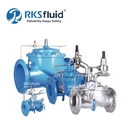
Features: Fully bore globe pattern design, lowest head loss while fully open Keep stable working condition even the flow rate close to zero High sens...
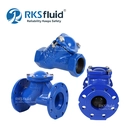
Ⅰ Business area: fluid control products, technology and environmental protection products. Ⅱ Advanced CNC machining centers, professional process ce...
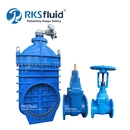
RKS fluid was founded in 1997. We are a production workshop for both foundry and machining, research & development center, and quality inspection cent...
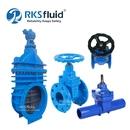
Series: SASQUATCH series soft seal gate valve Port size: DN50 - DN900 (NPS2-NPS36) Pressure rating: PN10, PN16 Temperature: 0℃~80℃ Connection: Flange Certificate: CE ,WRAS,API,OHSAS18001:2007,ISO9001:2015
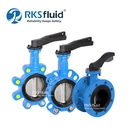
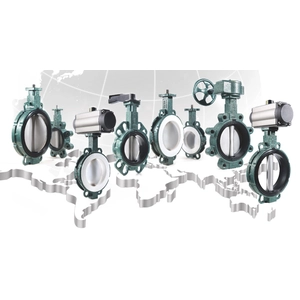
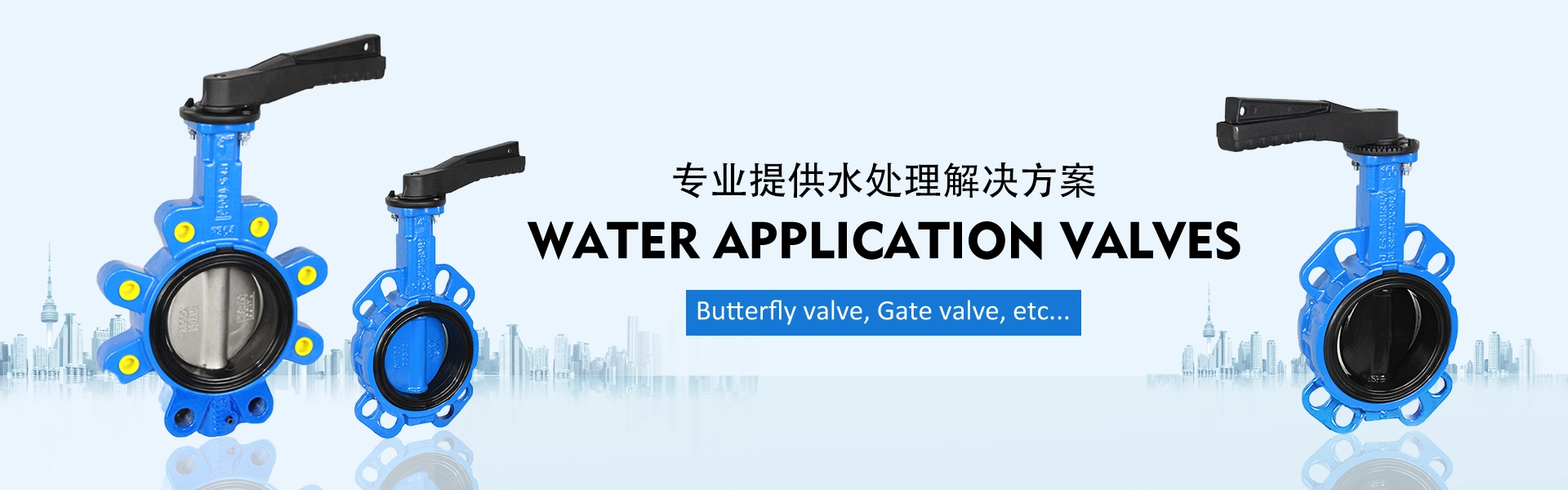
Butterfly valves have been around for a long time, and are used for a variety of applications. They made their first appearance during the 1930s, and have been utilized by several industries ever since. Often made out of cast iron, butterfly valve's name is based from the functionality of its disc.
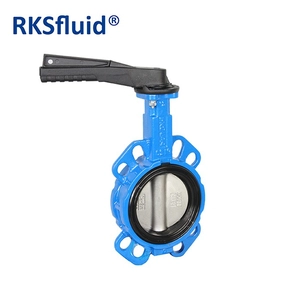
The wafer butterfly valve is one of the most common types of valves in industrial pipelines. The structure of wafer butterfly valve itself is relatively small. It is only necessary to put the butterfly valve in the middle of the flange at both ends of the pipe, and use the stud bolt to pass through the pipe flange and the pair.
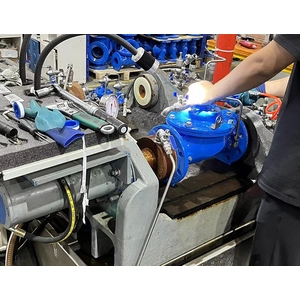
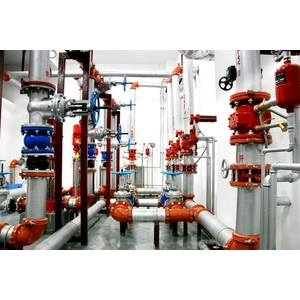
Valves are the most common equipment in chemical companies. It seems easy to install valves, but if they are not implemented in accordance with the re...
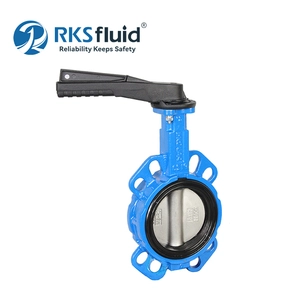
The manual valve is a valve operated by the handle and the hand wheel, and is a commonly used valve on the equipment pipeline.

DIN standard now uses EN standard structure length
EN 558-1 PN flange connection valve construction length (instead of DIN 3202), EN 558-2 CLASS flange connection valve construction length (instead of BS2080), EN 12982 butt weld end valve construction length (instead of DIN 3202), DIN standard The length of the structure including the length of the API valve is basically the same as the length of the GB...
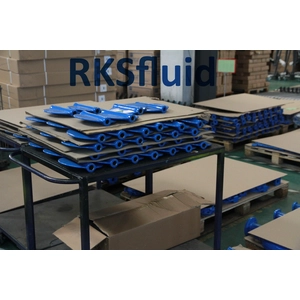
The butterfly valve disc is a key component of the butterfly valve, which acts on closing and opening and closing. Butterfly valve seat and butterfly ...
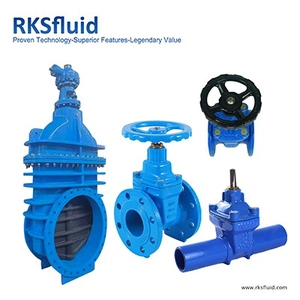
Resilient-seated gate valve with bolted cover connection; made of ductile iron materials and with epoxy coating, designed as both clockwise and anti-c...
What is Kieselguhr Filter? What's the working principle of Kieselguhr Filter? The kieselguhr filter (Candle filter / Cake Filter) which we for customized for fluorine chemical plant six more lithium fluoride phosphate phosphorus process have been installed and working for two years
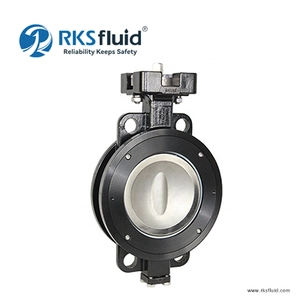
MINOTAUR series replaceable seat high performance butterfly valve
Swing check valves are commonly used in plumbing and industrial applications for controlling the flow of liquids and gases. While they offer several advantages, there are also some disadvantages that should be considered.
Advantages:
Low Pressure Drop: Swing check valves have a low pressure drop, which means they don't restrict the flow of fluids as much as other types of valves, making them ideal for applications where pressure drop is a concern.
Simple Design: The simple design of swing check valves makes them easy to install and maintain. They don't require any special tools or equipment, which makes them ideal for use in remote locations.
Versatile: Swing check valves can be used in a wide variety of applications, including water distribution, wastewater treatment, chemical processing, and oil and gas production.
Cost-Effective: Swing check valves are relatively inexpensive compared to other types of valves, making them an attractive option for budget-conscious customers.
Disadvantages:
Limited Use: Swing check valves are not suitable for applications that require precise flow control or where backflow prevention is critical.
Low Cracking Pressure: Swing check valves have a low cracking pressure, which means they require a certain amount of pressure to open and allow fluid to flow. This can be problematic in applications where a high degree of precision is required.
Limited Flow Control: Swing check valves provide limited flow control, making them unsuitable for applications where precise control of flow is required.
Maintenance: Swing check valves can be difficult to maintain in applications where they are exposed to harsh environments, such as those found in chemical processing and oil and gas production. In conclusion, swing check valves offer several advantages, including low pressure drop, simple design, versatility, and cost-effectiveness. However, they also have some disadvantages, including limited use, low cracking pressure, limited flow control, and maintenance issues. When selecting a valve for a specific application, it is important to consider both the advantages and disadvantages of different types of valves to ensure the best possible performance.