 +86 138 8989 6699














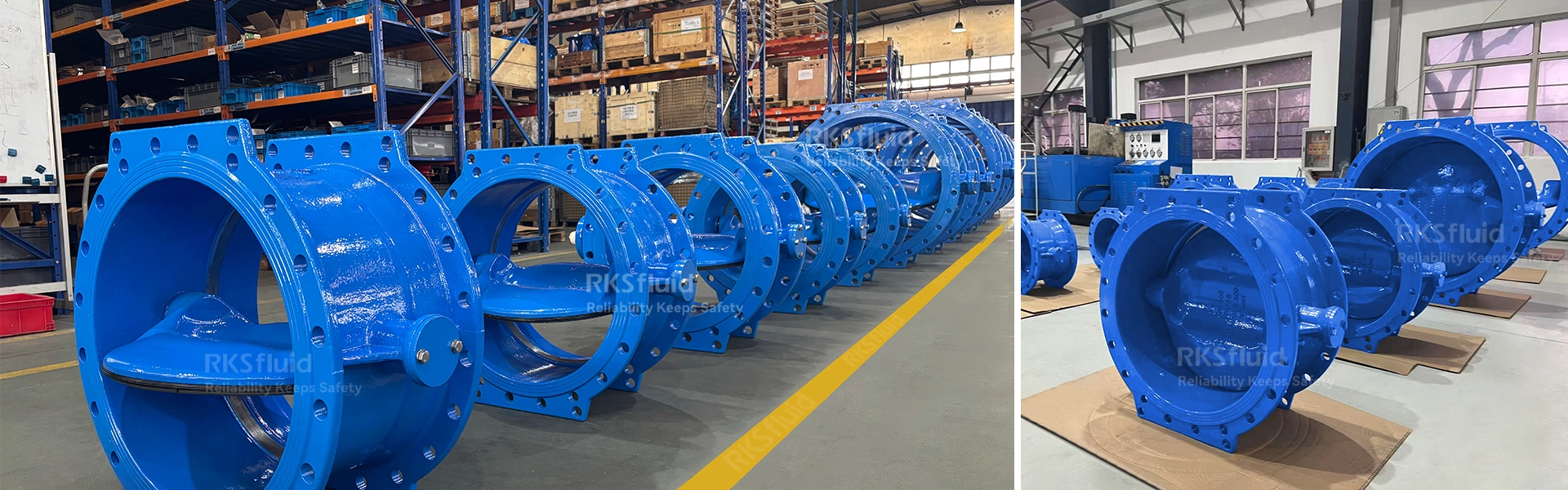
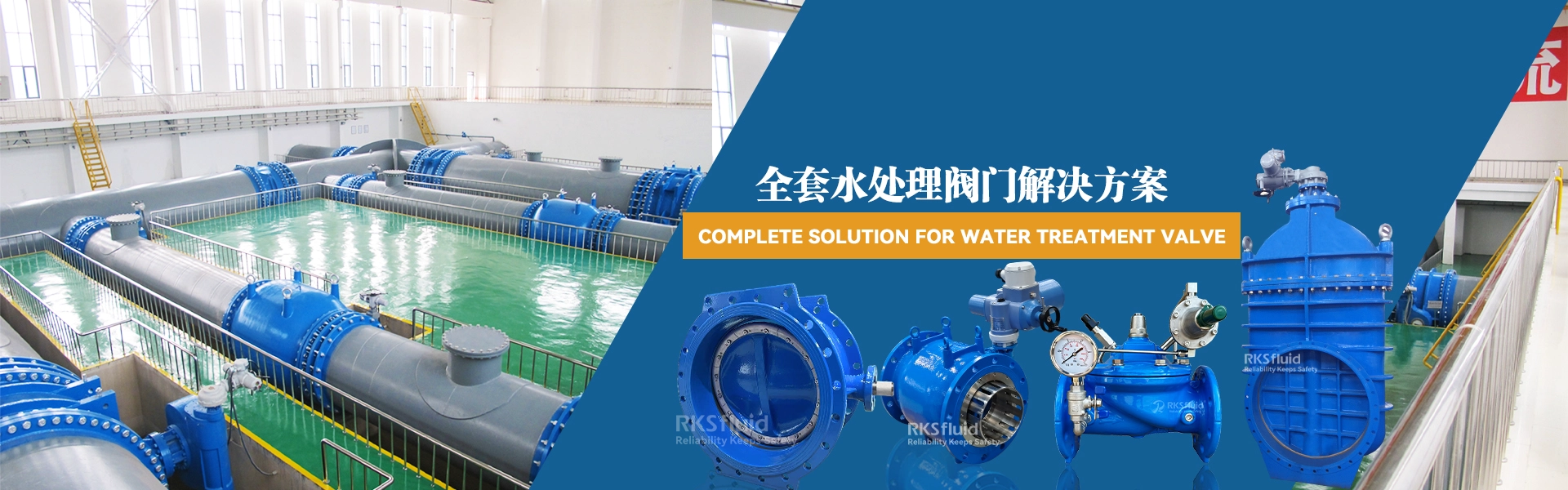
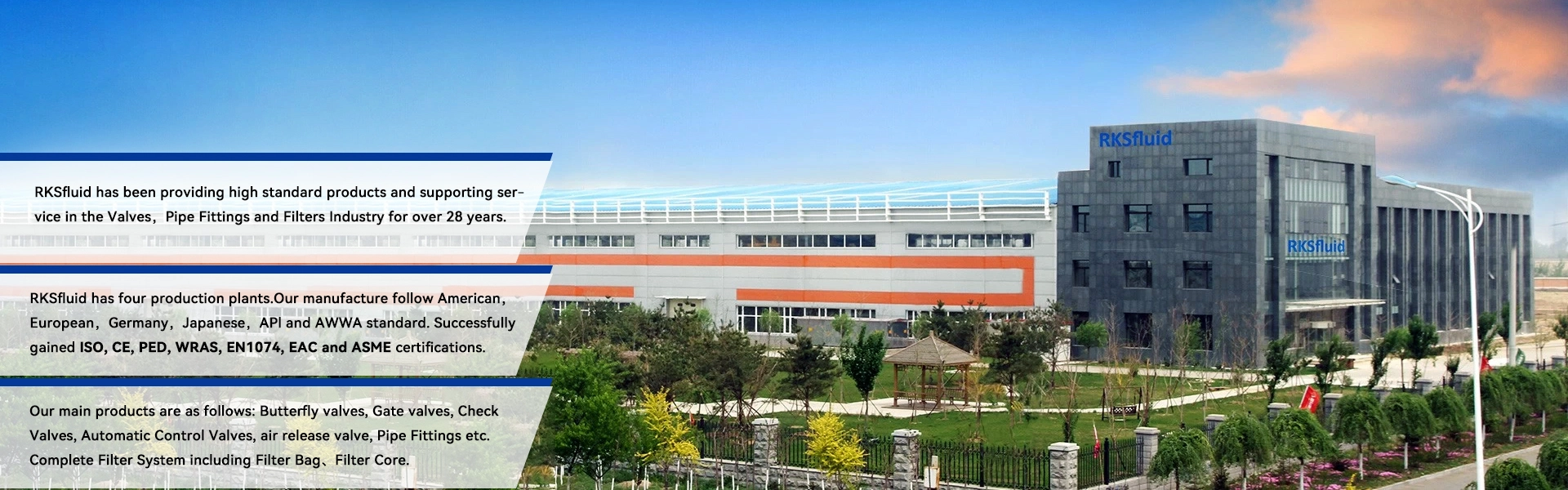
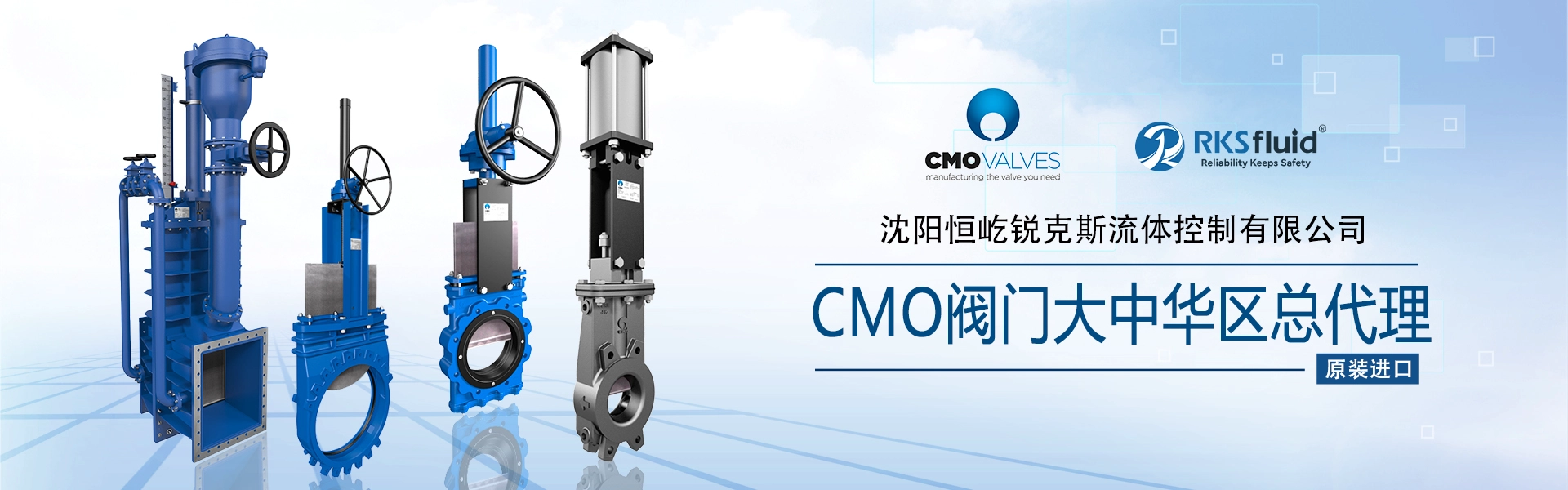






RKS fluid was founded in 1997. We are a production workshop for both foundry and machining, research & development center, and quality inspection cent...
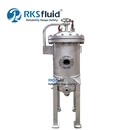
Type:Cartridge filter Material:SS304, SS316L Filtration Precision:0.1-20um Pressure:0.6Mpa, 1.0Mpa Filter core number:1~12 PC Filter element length: 2~40 inch Temperature:≦130℃ Application: Chemical industry. Water treatment, Papermaking, Automobile industry, petroleum, Machining, Coating, electronic etc.
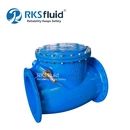
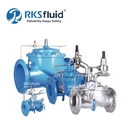
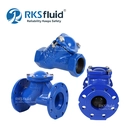
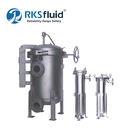
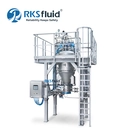
Series: Candle Filter Filter core length: 800~2500 Filter cylinder dimensions: 550~2200 Filter cake specification:15~60mm Filter core number: 7~205 Filter area: 0.9~144.8㎡ Application: Biopharmaceutical, Chemical Industry, Food and beverages, Metal processing
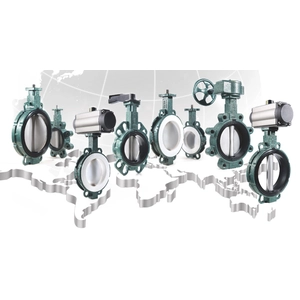
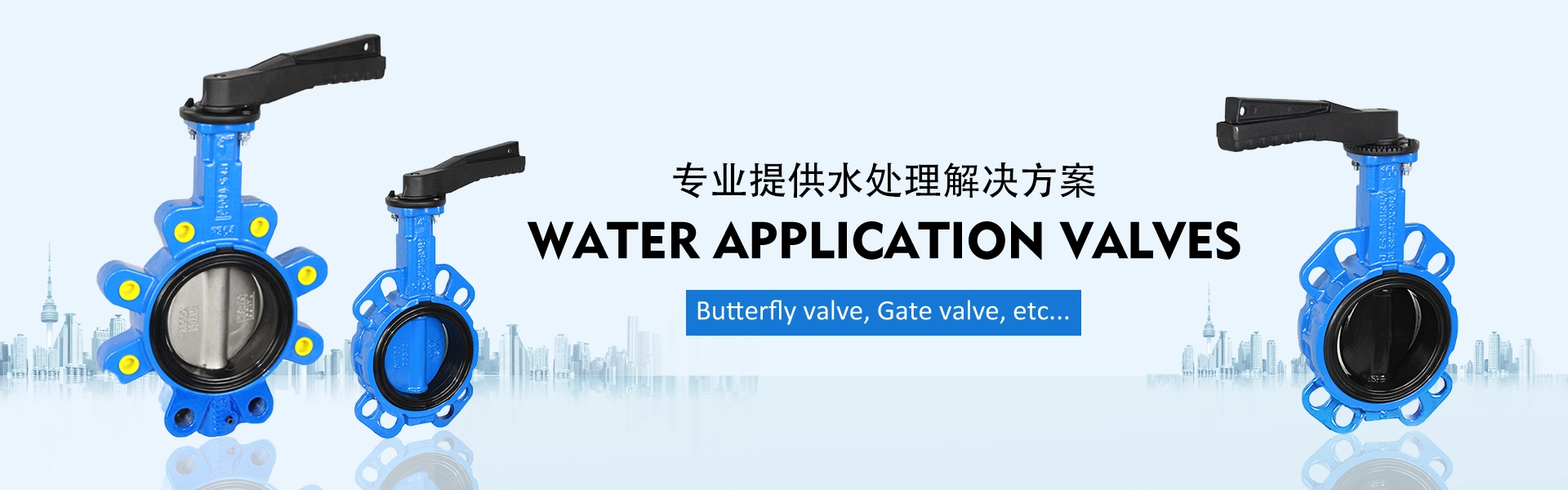
Butterfly valves have been around for a long time, and are used for a variety of applications. They made their first appearance during the 1930s, and have been utilized by several industries ever since. Often made out of cast iron, butterfly valve's name is based from the functionality of its disc.
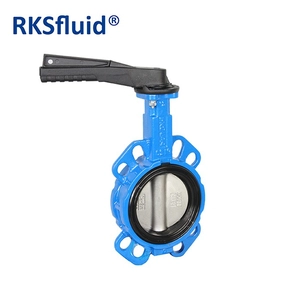
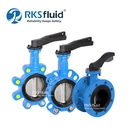
The wafer butterfly valve is one of the most common types of valves in industrial pipelines. The structure of wafer butterfly valve itself is relatively small. It is only necessary to put the butterfly valve in the middle of the flange at both ends of the pipe, and use the stud bolt to pass through the pipe flange and the pair.
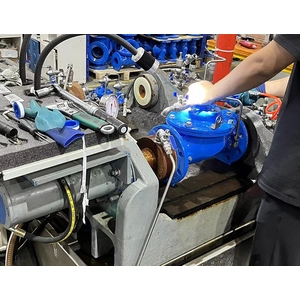
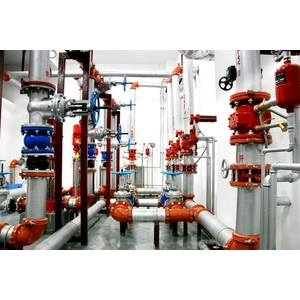
Valves are the most common equipment in chemical companies. It seems easy to install valves, but if they are not implemented in accordance with the re...
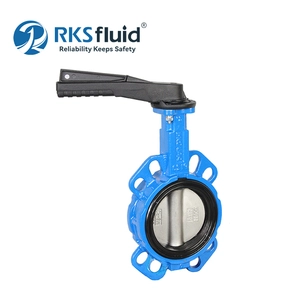
The manual valve is a valve operated by the handle and the hand wheel, and is a commonly used valve on the equipment pipeline.

DIN standard now uses EN standard structure length
EN 558-1 PN flange connection valve construction length (instead of DIN 3202), EN 558-2 CLASS flange connection valve construction length (instead of BS2080), EN 12982 butt weld end valve construction length (instead of DIN 3202), DIN standard The length of the structure including the length of the API valve is basically the same as the length of the GB...
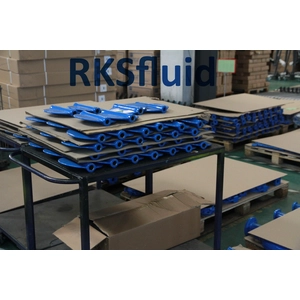
The butterfly valve disc is a key component of the butterfly valve, which acts on closing and opening and closing. Butterfly valve seat and butterfly ...
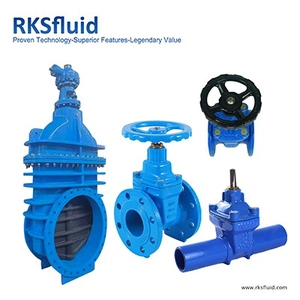
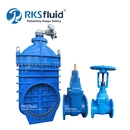
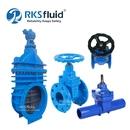
Resilient-seated gate valve with bolted cover connection; made of ductile iron materials and with epoxy coating, designed as both clockwise and anti-c...
What is Kieselguhr Filter? What's the working principle of Kieselguhr Filter? The kieselguhr filter (Candle filter / Cake Filter) which we for customized for fluorine chemical plant six more lithium fluoride phosphate phosphorus process have been installed and working for two years
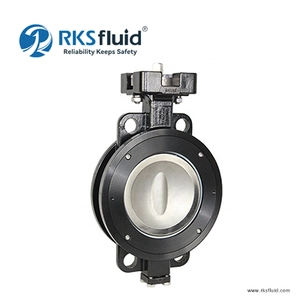
MINOTAUR series replaceable seat high performance butterfly valve
The working principle of pressure reducing valve can be simply understood as inlet pressure + outlet pressure = spring force, by controlling the opening of the valve to control the outlet pressure, the smaller the opening, the smaller the liquid through the closure of the liquid resistance, the smaller the pressure loss, the greater the outlet pressure, on the contrary, the smaller the outlet pressure.
Suppose that the force acting on the diaphragm is F
The outlet pressure acting on the diaphragm of the pressure reducing valve is F1 and the inlet pressure is P1. The acting area of the diaphragm is S1, F1=P1×S1
The inlet pressure acting on the valve core is F2 and the outlet pressure is P2. The acting area of the valve core is S2 F2=P2×S2
When equilibrium is reached, F=F1+F2=P1×S1+P2×S2
When the inlet pressure fluctuates, assuming that the inlet pressure becomes P2+△P and other conditions remain unchanged, then the spring force F < F1+F2, the pressure under the diaphragm pushes the diaphragm upward, the spring is compressed, F becomes larger, at the same time, the closure opening becomes smaller, the liquid resistance becomes greater, the outlet pressure becomes smaller, F2 becomes smaller, until the new equilibrium is reached.
When none of the pressure reducing valve export water or downstream of the pressure reducing valve is closed, outlet pressure continues to increase, F2 continued, under the pressure of diaphragm drive diaphragm continuously upgrade movement until the pressure reducing valve closed, the pressure reducing valve outlet pressure is greater than the set value, but because of inertia effect, upward movement of the diaphragm will not stop immediately, will continue to move up a little, the equivalent of the exit valve cavity, larger volume, the internal liquid pressure drop, until just equals the export of pressure reducing valve set pressure value