 +86 138 8989 6699














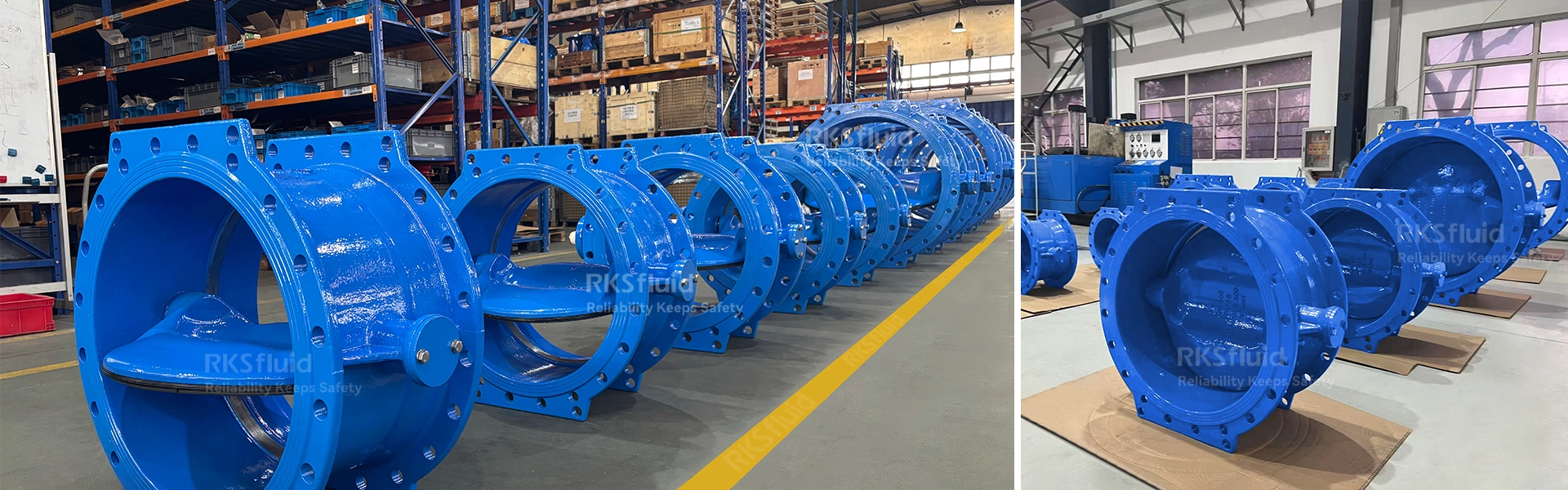
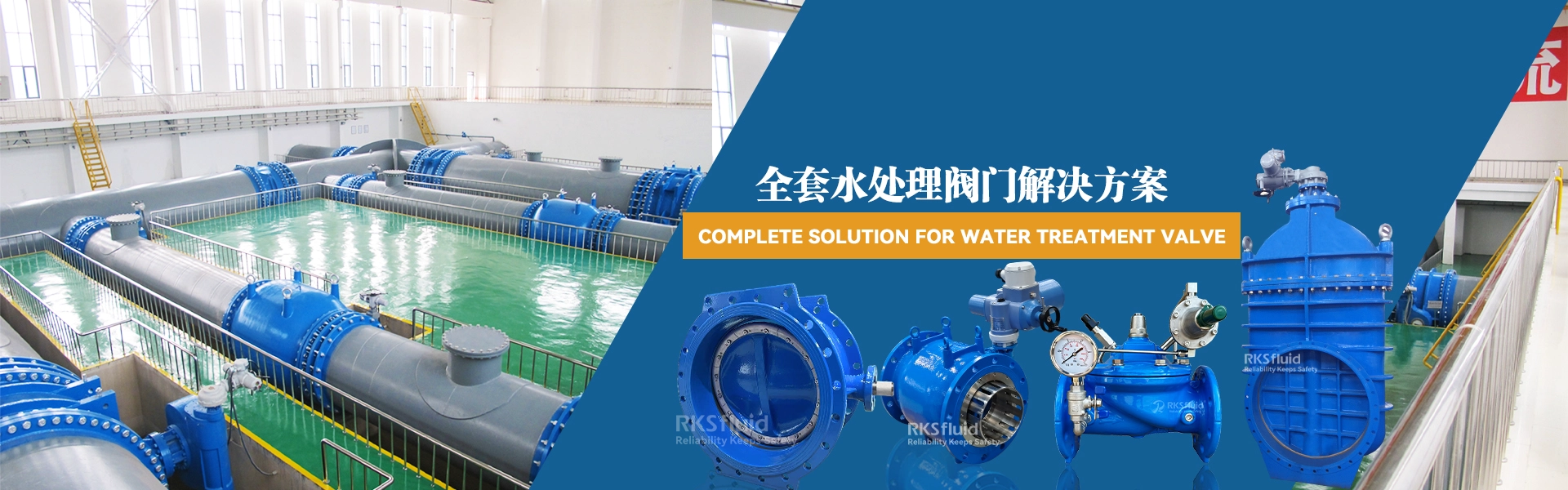
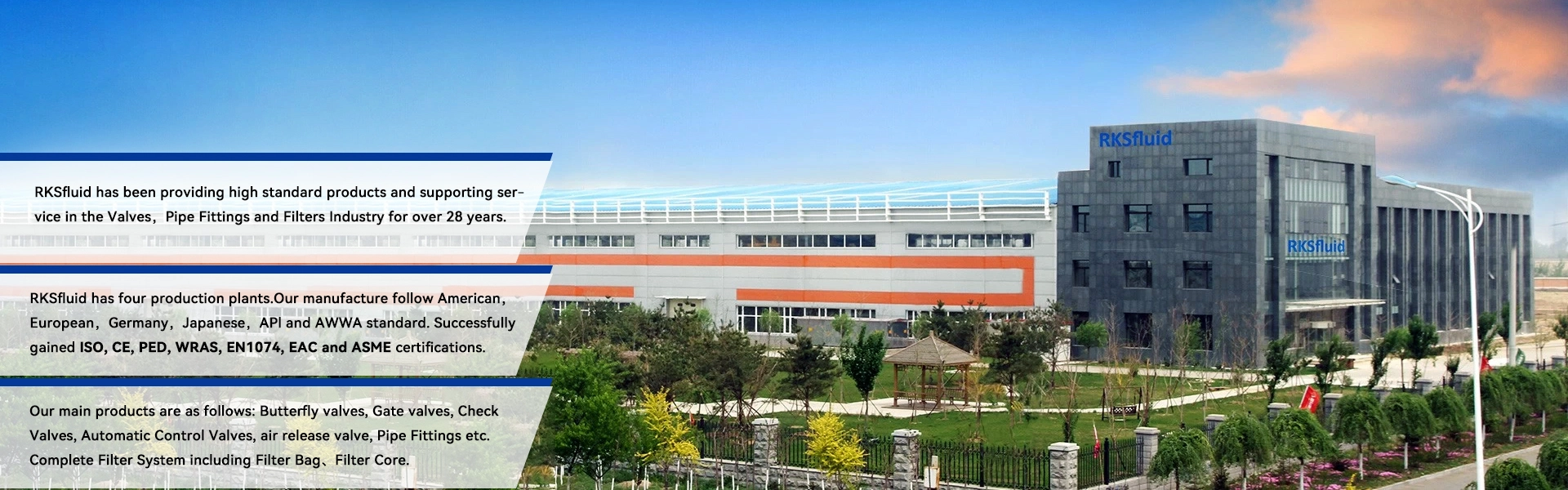
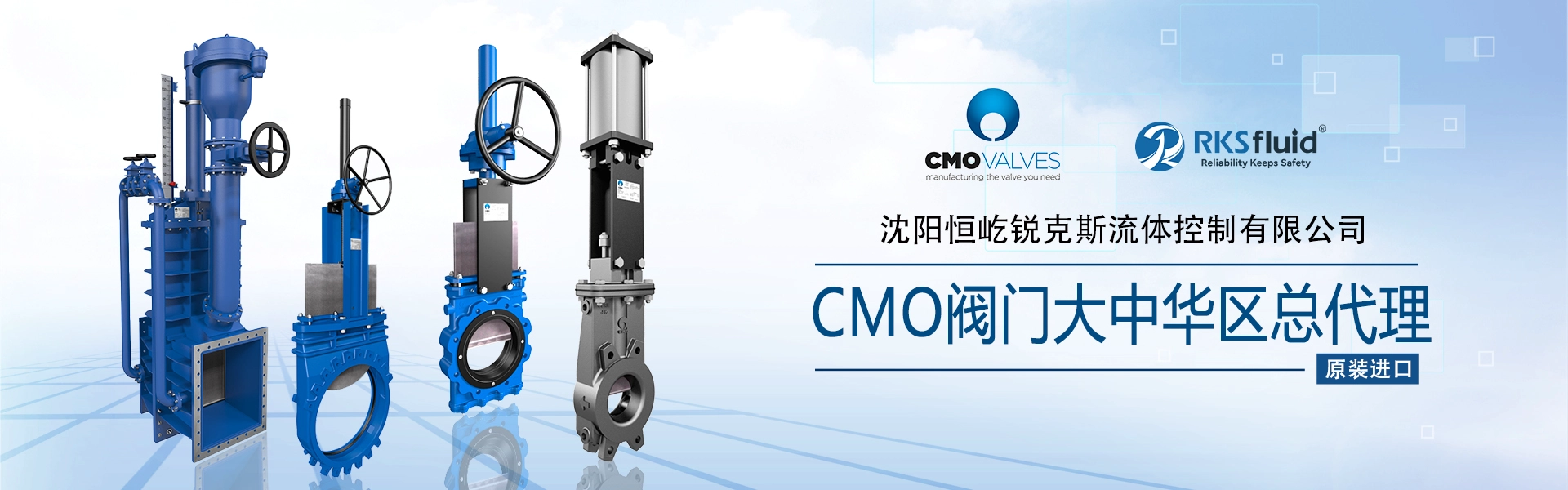




RKS fluid was founded in 1997. We are a production workshop for both foundry and machining, research & development center, and quality inspection cent...
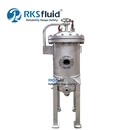
Type:Cartridge filter Material:SS304, SS316L Filtration Precision:0.1-20um Pressure:0.6Mpa, 1.0Mpa Filter core number:1~12 PC Filter element length: 2~40 inch Temperature:≦130℃ Application: Chemical industry. Water treatment, Papermaking, Automobile industry, petroleum, Machining, Coating, electronic etc.
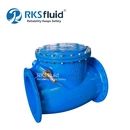
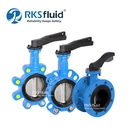
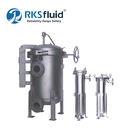
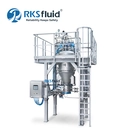
Series: Candle Filter Filter core length: 800~2500 Filter cylinder dimensions: 550~2200 Filter cake specification:15~60mm Filter core number: 7~205 Filter area: 0.9~144.8㎡ Application: Biopharmaceutical, Chemical Industry, Food and beverages, Metal processing
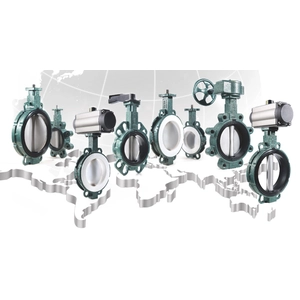
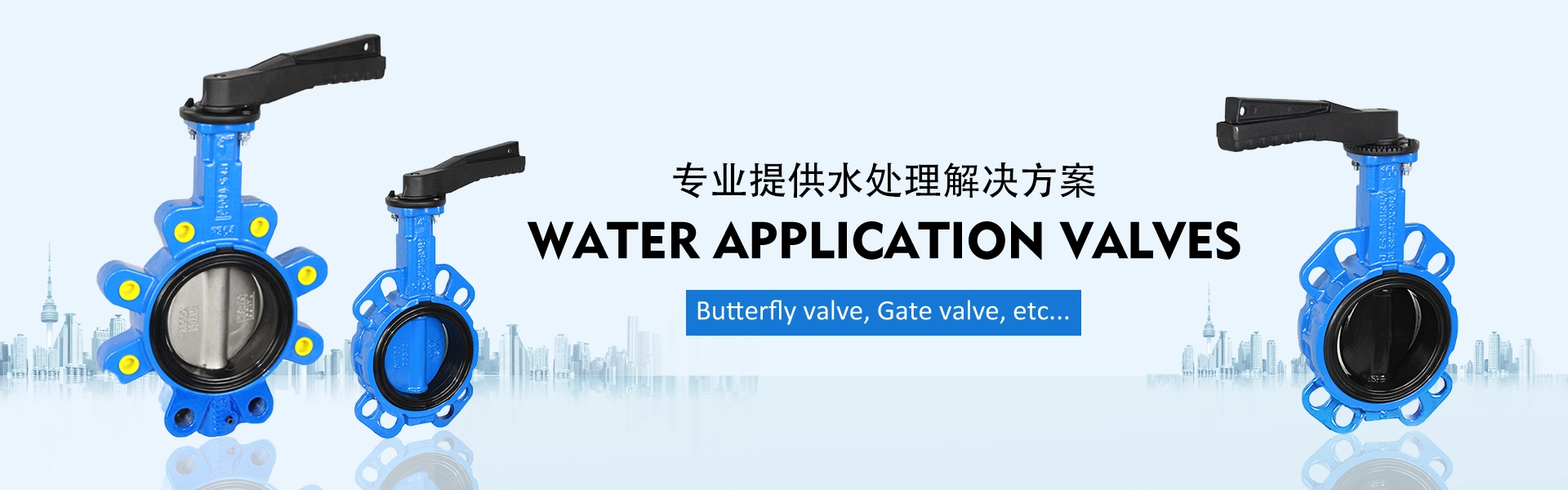
Butterfly valves have been around for a long time, and are used for a variety of applications. They made their first appearance during the 1930s, and have been utilized by several industries ever since. Often made out of cast iron, butterfly valve's name is based from the functionality of its disc.
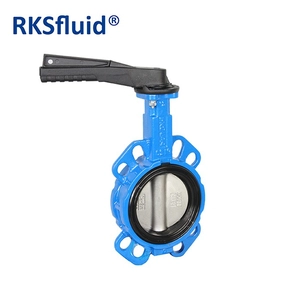
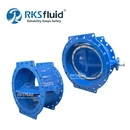
The wafer butterfly valve is one of the most common types of valves in industrial pipelines. The structure of wafer butterfly valve itself is relatively small. It is only necessary to put the butterfly valve in the middle of the flange at both ends of the pipe, and use the stud bolt to pass through the pipe flange and the pair.
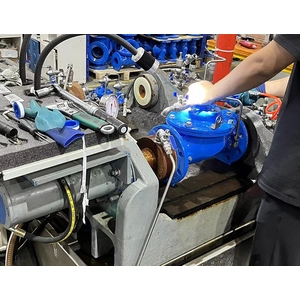
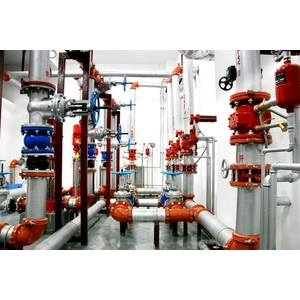
Valves are the most common equipment in chemical companies. It seems easy to install valves, but if they are not implemented in accordance with the re...
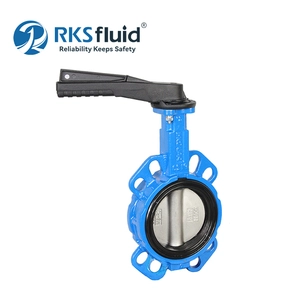
The manual valve is a valve operated by the handle and the hand wheel, and is a commonly used valve on the equipment pipeline.

DIN standard now uses EN standard structure length
EN 558-1 PN flange connection valve construction length (instead of DIN 3202), EN 558-2 CLASS flange connection valve construction length (instead of BS2080), EN 12982 butt weld end valve construction length (instead of DIN 3202), DIN standard The length of the structure including the length of the API valve is basically the same as the length of the GB...
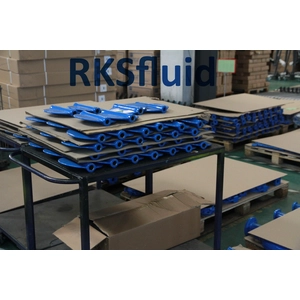
The butterfly valve disc is a key component of the butterfly valve, which acts on closing and opening and closing. Butterfly valve seat and butterfly ...
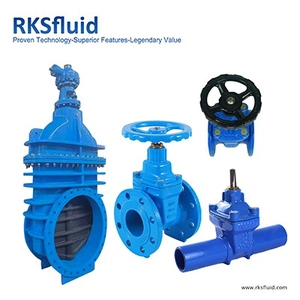
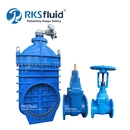
Resilient-seated gate valve with bolted cover connection; made of ductile iron materials and with epoxy coating, designed as both clockwise and anti-c...
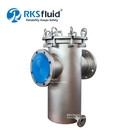
What is Kieselguhr Filter? What's the working principle of Kieselguhr Filter? The kieselguhr filter (Candle filter / Cake Filter) which we for customized for fluorine chemical plant six more lithium fluoride phosphate phosphorus process have been installed and working for two years
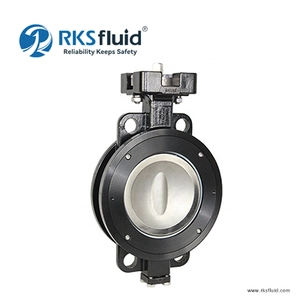
MINOTAUR series replaceable seat high performance butterfly valve
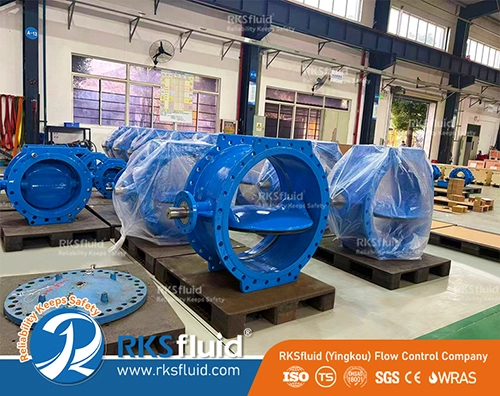
In municipal water transmission and industrial water supply systems, large-diameter pipelines (DN600 and above) require valves with stable sealing performance, controllable operating torque and long service life.
Selecting an inappropriate valve construction may result in premature seat wear, leakage, or excessive actuator loading. The following technical factors should be considered when selecting butterfly valves for large-diameter water pipelines.
1. Valve structure: eccentric and concentric design
For large diameter applications, valve construction directly affects seal life and torque performance.
In a concentric butterfly valve, the disc remains in constant contact with the seat during operation. In high circulation or high pressure water systems, this may accelerate valve seat wear.
Double eccentric butterfly valve Reduce seat friction by allowing the disc to disengage from the seat shortly after opening. This structural feature improves sealing stability and extends service life of large diameter pipes.
2. Pressure Ratings and Surge Considerations
Water delivery systems may experience pressure fluctuations and hydraulic fluctuations.
The selected valve pressure rating (e.g., PN10, PN16, or PN25) should match the pipeline design pressure, including potential surge margin.
Underestimating a valve can increase leakage risk and structural stress, while excessive overestimation can unnecessarily increase procurement costs.
Engineering verification of operating pressure conditions is critical before final selection.
3. Seal type and seat configuration
Seat design significantly affects long-term performance.
Key considerations include:
In water delivery systems, replaceable valve seat designs can reduce life cycle maintenance costs. For applications involving higher temperatures or abrasive media, metal seat options may be considered.
The valve seat material should also be evaluated for compatibility with water quality and treatment chemicals.
4. Torque requirements and driving methods
Large diameter valves require careful evaluation of operating torque.
High torque possible:
Offset valve structures generally provide lower frictional resistance compared to concentric designs, which is beneficial for actuator drive systems in pumping stations and municipal networks.
Manual, gearbox operation or electric drive mode should be selected depending on project requirements.
5. Material selection and corrosion resistance
Compatibility of materials with the pipeline environment is critical.
Common considerations include:
For harsh water environments or coastal areas, corrosion resistance becomes the main selection factor.
6. Maintenance strategies and life cycle costs
The initial purchase cost is only part of the evaluation.
Large diameter valves in municipal infrastructure are expected to operate for a long service life. Ease of maintenance, accessibility for seat replacement and availability of spare parts should be considered when choosing.
Valves designed for reduced seat friction and stable structural support can reduce the frequency of long-term maintenance.
Selecting a butterfly valve for large diameter water pipes requires an evaluation of structural design, pressure rating, seal configuration, torque performance and material compatibility.
Engineering-based choices reduce leak risks, minimize maintenance costs, and improve the long-term operational reliability of municipal and industrial water systems.
RKSfluid s double eccentric butterfly valve series is designed to meet the performance requirements of large-diameter water transmission projects. For detailed technical specifications or project inquiries, please contact our engineering team.