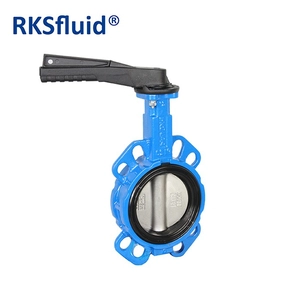
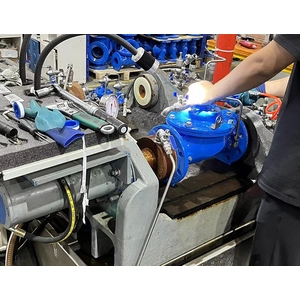
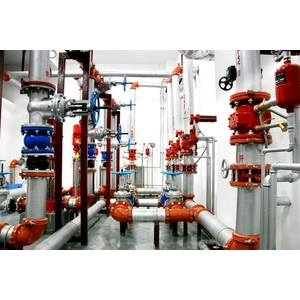
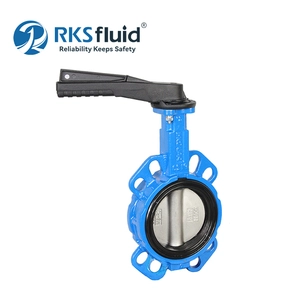
In water transmission and wastewater treatment projects, butterfly valves are widely used for flow isolation and regulation.
However, selecting the right valve design—especially between concentric and double eccentric butterfly valves—directly affects sealing performance, service life, and long-term maintenance cost.
Structural Difference: Why Eccentric Design Matters?
A concentric butterfly valve places the disc and shaft on the same centerline as the pipeline. While this design is simple, the disc remains in continuous contact with the seat during opening and closing, which leads to higher friction and faster seat wear.
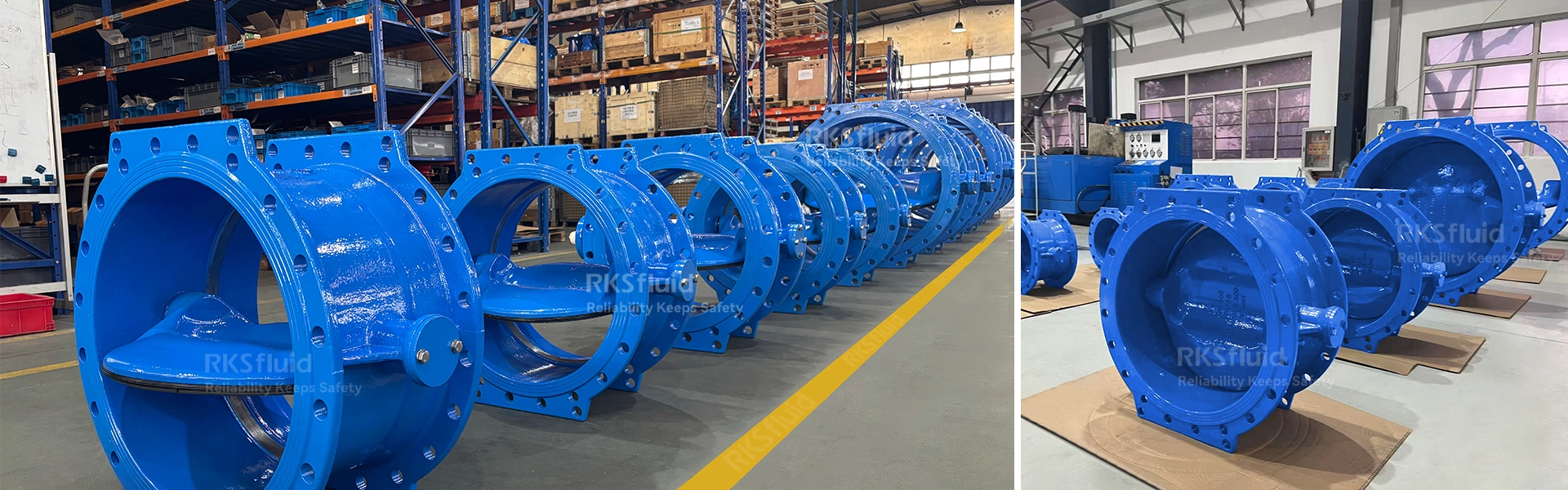
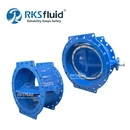
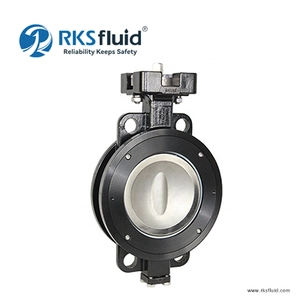
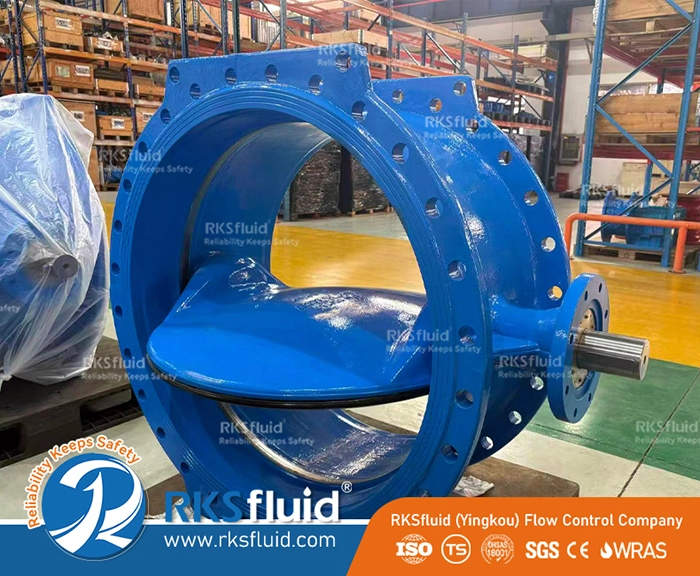
In contrast, a double eccentric butterfly valve offsets both the shaft and the disc center. This configuration allows the disc to disengage from the seat immediately during opening, significantly reducing friction and minimizing wear on sealing components.
Performance Comparison in Water Applications
| Item |
Concentric Butterfly Valve |
Double Eccentric Butterfly Valve |
| Sealing wear |
High |
Low |
| Opening torque |
Higher |
Lower |
| Seat service life |
Shorter |
Longer |
| Suitability for large diameter |
Limited |
Excellent |
| Maintenance frequency |
Higher |
Lower |
For large-diameter pipelines and frequent operation conditions, double eccentric butterfly valves offer clear advantages in durability, reliability, and operating stability.
Why Double Eccentric Valves Are Preferred in Water & Wastewater Projects?
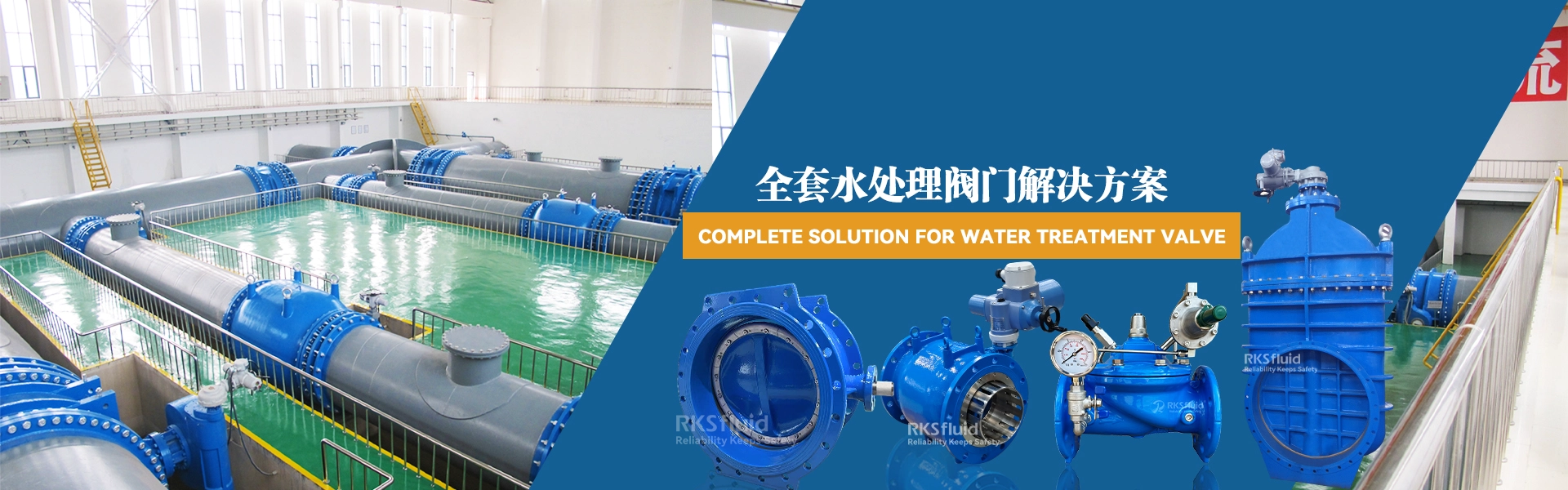
Municipal water transmission and wastewater treatment systems often operate under large pipe diameters, frequent opening and closing cycles, and strict leakage control requirements.
Double eccentric butterfly valves help reduce seat damage, maintain stable sealing performance over time, and lower overall maintenance costs. As a result, they are widely adopted by EPC contractors and system integrators for medium- and large-scale water infrastructure projects.
If you are evaluating butterfly valve options for water or wastewater systems, selecting the appropriate valve structure is critical to long-term system reliability.
Technical Support for RKSfluid Athena Double Eccentric Butterfly Valves
If you would like more information about Athena double eccentric butterfly valves, including specifications, engineering support, or project consultation, please feel free to contact our team.
You can reach our international sales department by phone at +86 (0)24 2318 0188-856, or +86 151 4027 2439, send an email to damon@rksfluid.com
, or leave us a message and our team will respond shortly.
 +86 138 8989 6699