 +86 138 8989 6699




Browse Categories
Main Product
-
-
-
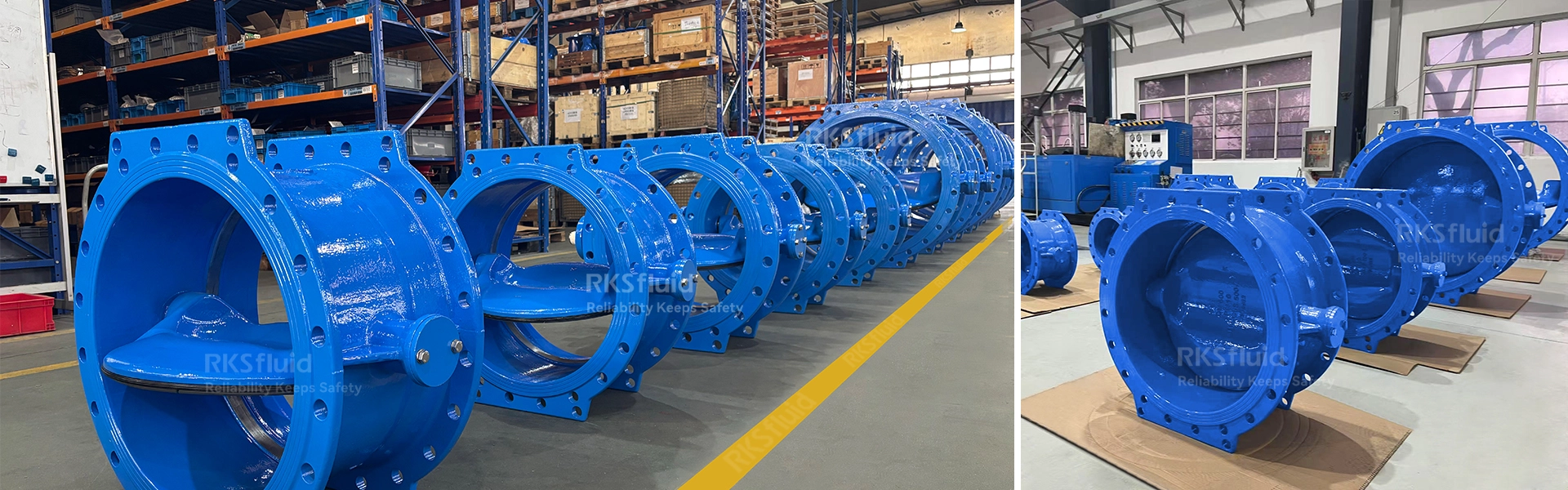
Double Eccentric Flange Butterfly Valve
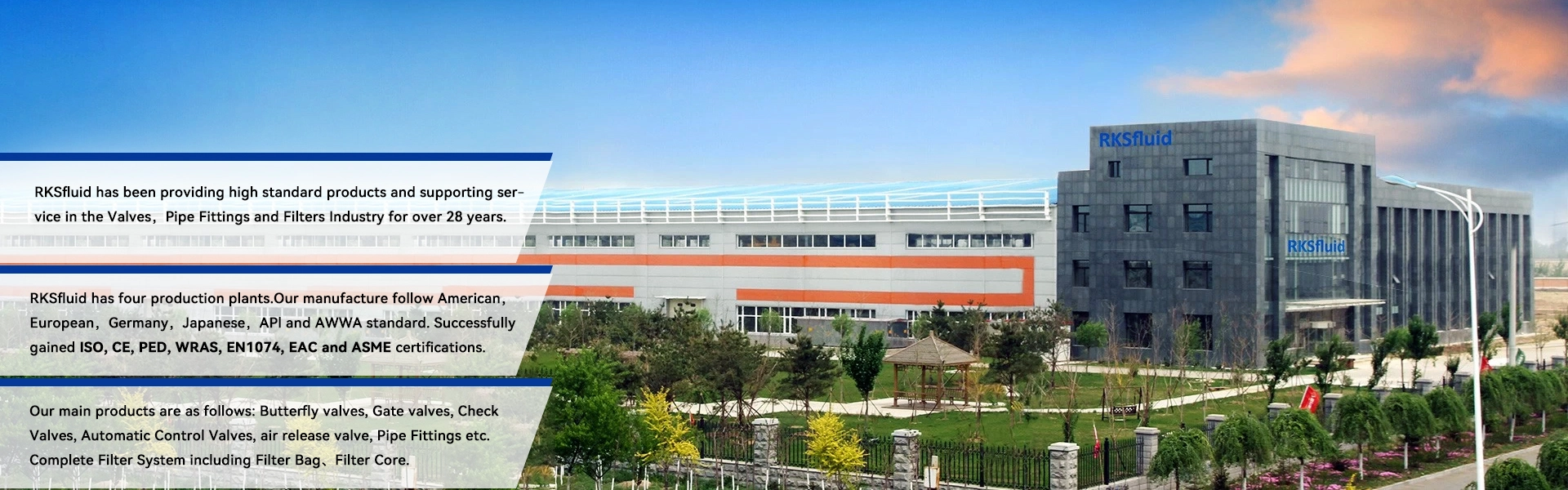
RKS fluid was founded in 1997. We are a production workshop for both foundry and machining, research & development center, and quality inspection cent...
-
-
-
-
-
-
-
-
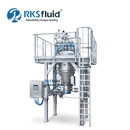
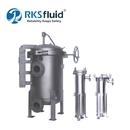
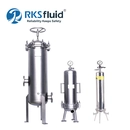
Stainless steel solid-liquid separation candle filter
Series: Candle Filter Filter core length: 800~2500 Filter cylinder dimensions: 550~2200 Filter cake specification:15~60mm Filter core number: 7~205 Filter area: 0.9~144.8㎡ Application: Biopharmaceutical, Chemical Industry, Food and beverages, Metal processing
-
News
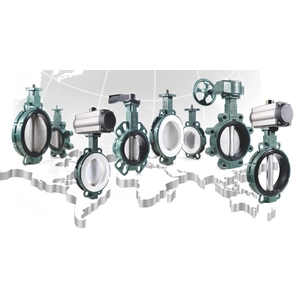
The Difference Between A Lug and Wafer Butterfly Valve
2019-02-12 16:59:28
Butterfly valves have been around for a long time, and are used for a variety of applications. They made their first appearance during the 1930s, and have been utilized by several industries ever since. Often made out of cast iron, butterfly valve's name is based from the functionality of its disc.
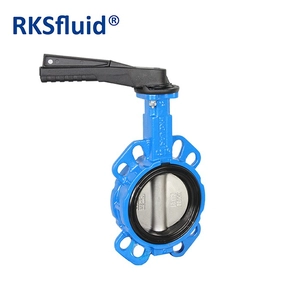
Wafer type butterfly valve installation instructions and steps
2019-01-03 16:27:13
The wafer butterfly valve is one of the most common types of valves in industrial pipelines. The structure of wafer butterfly valve itself is relatively small. It is only necessary to put the butterfly valve in the middle of the flange at both ends of the pipe, and use the stud bolt to pass through the pipe flange and the pair.
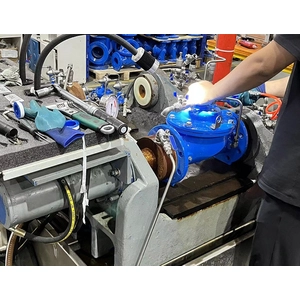
How Does a Pressure Reducing Valve (PRV) Work?
2024-10-15 16:58:28
Twenty-five Taboos for Valve Installation
2019-09-06 10:23:57
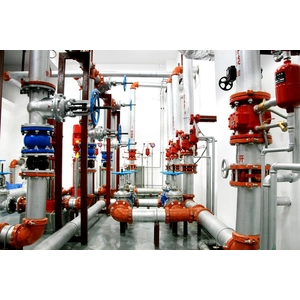
Valves are the most common equipment in chemical companies. It seems easy to install valves, but if they are not implemented in accordance with the re...
Manual valve operation method
2019-04-01 11:50:16
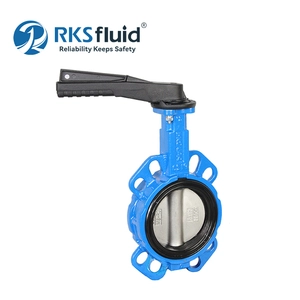
The manual valve is a valve operated by the handle and the hand wheel, and is a commonly used valve on the equipment pipeline.

Valve common standards and differences
2019-05-07 17:37:21
DIN standard now uses EN standard structure length
EN 558-1 PN flange connection valve construction length (instead of DIN 3202), EN 558-2 CLASS flange connection valve construction length (instead of BS2080), EN 12982 butt weld end valve construction length (instead of DIN 3202), DIN standard The length of the structure including the length of the API valve is basically the same as the length of the GB...
Butterfly Valve Seat & Seal Ring Replacement Method
2021-02-01 18:14:53
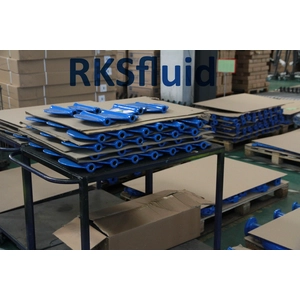
The butterfly valve disc is a key component of the butterfly valve, which acts on closing and opening and closing. Butterfly valve seat and butterfly ...
Resilient Seated Gate Valve
2022-10-17 16:09:38
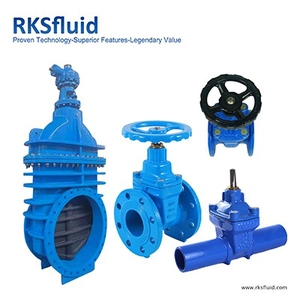
Resilient-seated gate valve with bolted cover connection; made of ductile iron materials and with epoxy coating, designed as both clockwise and anti-c...
What's the working principle of Kieselguhr Filter?
2019-07-01 13:05:32
What is Kieselguhr Filter? What's the working principle of Kieselguhr Filter? The kieselguhr filter (Candle filter / Cake Filter) which we for customized for fluorine chemical plant six more lithium fluoride phosphate phosphorus process have been installed and working for two years
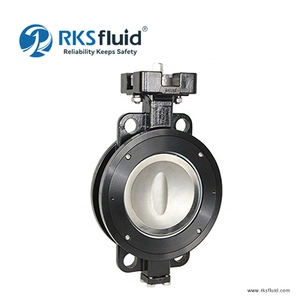
New designed PTFE RPTFE sealing replaceable seat high performance butterfly valve
2022-04-24 10:39:22
MINOTAUR series replaceable seat high performance butterfly valve
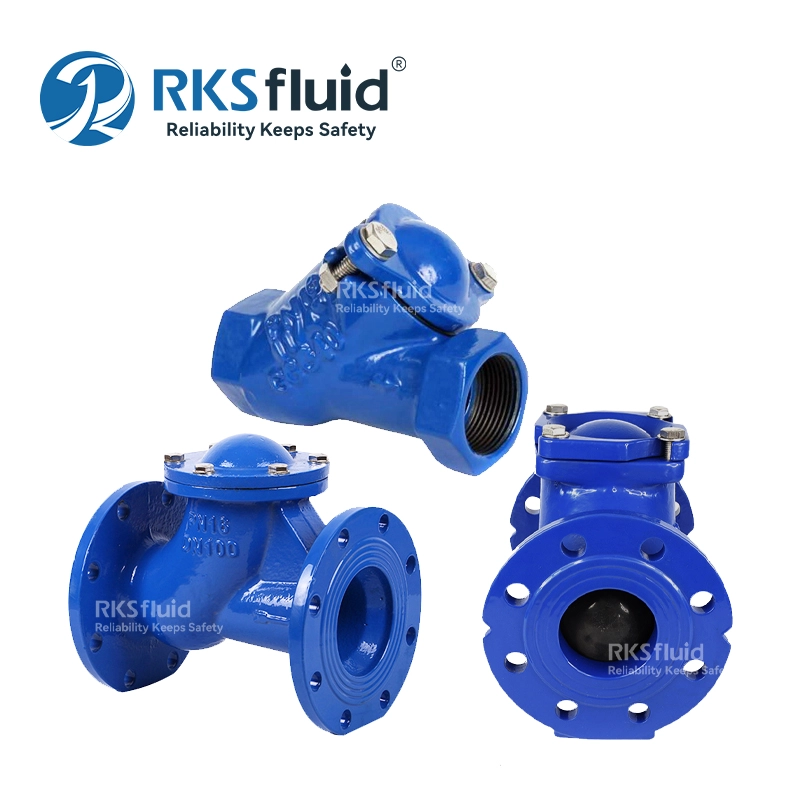
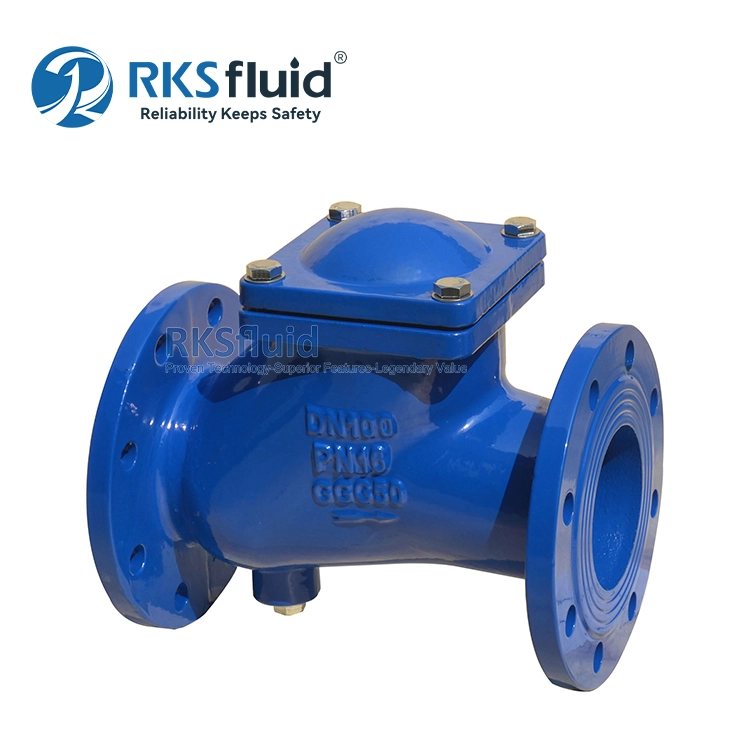
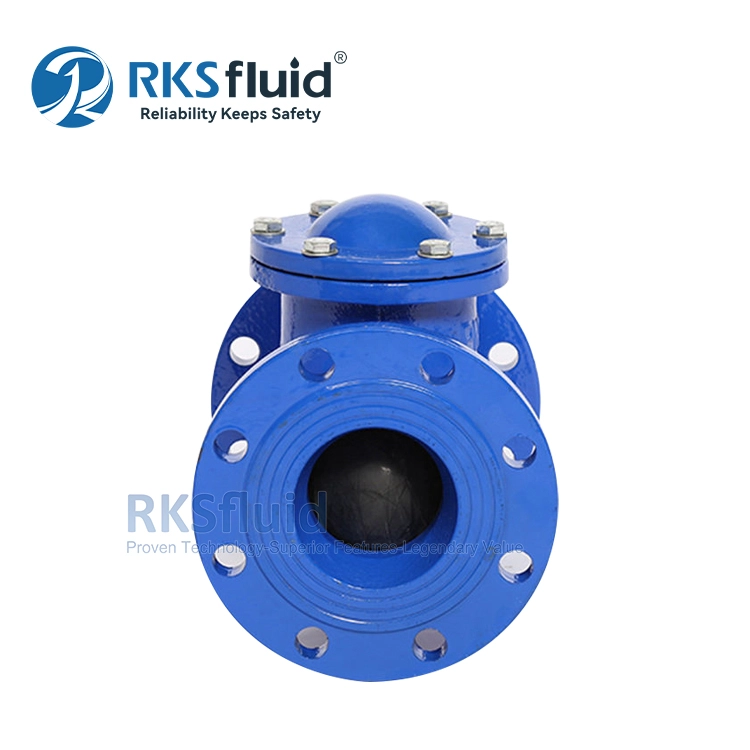
Ball Check Valve
- Size: DN25-DN80 (Threaded) / DN40-DN500 (Flange)
- Pressure Ratings: PN6, PN10, PN16
- Connections: Threaded/Flange
- Temperature: 0°C ~ +80°C
- Body Materials: Ductile iron
- Disc Materials: DI/WCB+EPDM/NBR
- Medium: Water
- Design Standard: EN 1171
- Face to Face: EN 558-1
- Flange Standard: EN1092-2, ASME B16.5
- Applications: wastewater treatment, building infrastructure
- Product Details
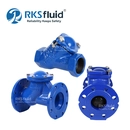
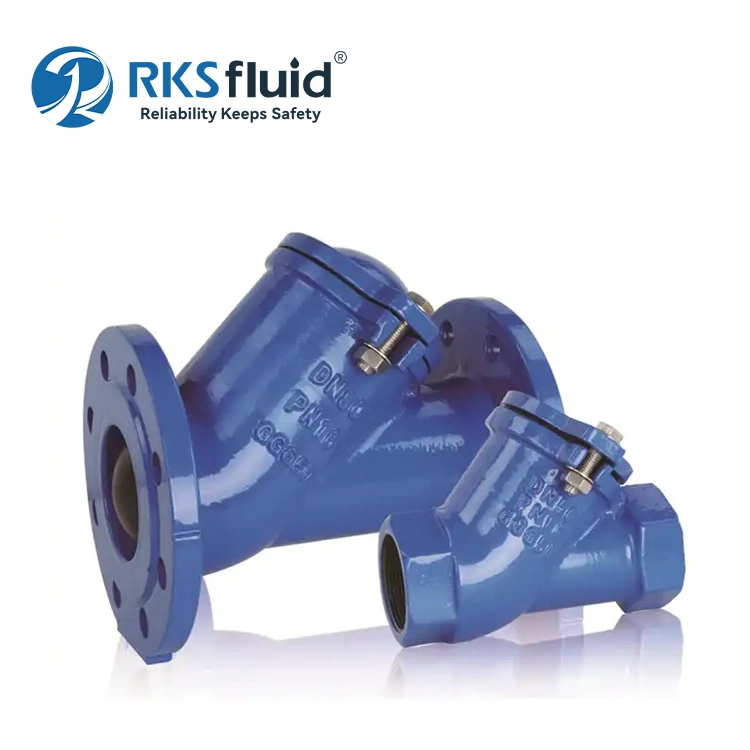
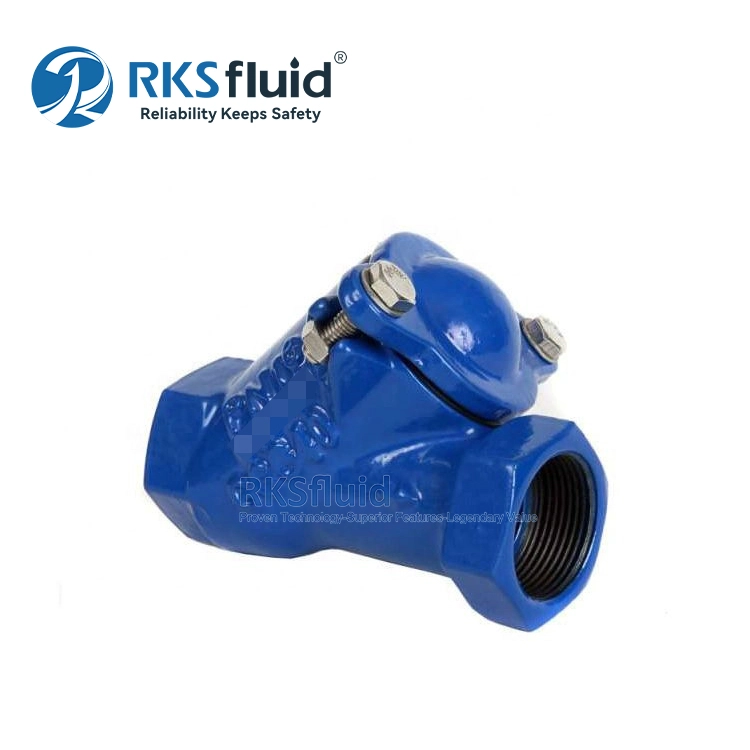
RKSfluid Ball Check Valves are designed to prevent reverse flow and protect pumps in water and wastewater systems. Available with threaded ends in DN25–DN80 and flanged connections in DN40–DN500, the valves feature a ductile iron body and an elastomer-encapsulated ball.
The full-bore design allows the ball to move into a lateral housing, helping reduce flow obstruction and clogging risk. The elastomer-covered ball supports sealing at low differential pressure, while the internal and external epoxy coating provides corrosion protection. Depending on the design, a removable bonnet or removable seat allows access to the ball for replacement.
Flanged connections:
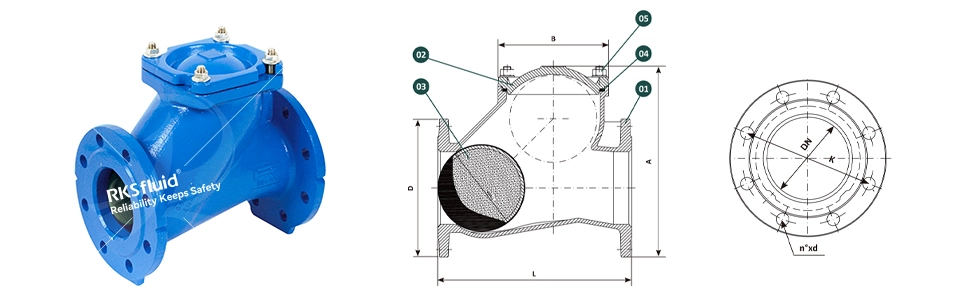
| Item | Descriptions | Qty | Materials | Standards |
| 01 | Body* DN40 to DN400 | 1 | Ductile iron/EN-GJS 400-15 | EN1563 |
| 02 | Seat* | 1 | Ductile iron/EN-GJS 400-15 | EN1563 |
| 03 | Standard ball DN40 to DN150 | 1 | Carbon steel+elastomer/S235JR+NBR | EN1706 |
| DN200 to DN400 | 1 | Ductile iron+elastomer/EN-GJS 400-15+NBR | EN1563 | |
| 04 | Seat gasket | 1 | Elastomer/NBR | - |
| 05 | Bolts DN40 to DN400 | acc/DN | Stainless steel/Stainless steel A2 | EN ISO3506 |
Key Features
- Full-Bore Flow Path: Helps reduce flow resistance and the risk of clogging.
- Self-Positioning Ball: The ball moves into its lateral housing under flow, opening the main passage.
- Elastomer-Encapsulated Ball: EPDM or NBR covering supports sealing, including under low differential pressure.
- Pump Reverse-Flow Protection: Designed to prevent reverse flow in water and wastewater systems.
- Corrosion Protection: Internal and external epoxy coating on the ductile iron body.
- Serviceable Construction: Removable bonnet or removable seat designs provide access for ball replacement.
- Flexible Connections: Threaded options from DN25–DN80 and flanged options from DN40–DN500.
Need a Ball Check Valve for Your System?
Contact RKSfluid with your required size, connection type, pressure rating and operating conditions. Tell us about your water or wastewater application and whether you require a threaded or flanged connection.
*Send us your specifications to request a quotation.
FAQs
The ball moves away from the main flow passage into a lateral housing when the valve opens. The resulting full-bore flow path reduces obstruction and helps limit the accumulation of solids in suitable wastewater service.
The ball is encapsulated in a moulded elastomer such as EPDM or NBR. The compliant sealing surface helps the ball seat at low differential pressure, depending on the valve configuration and operating conditions.
Threaded models are available in DN25–DN80 and are generally suited to smaller pipework. Flanged models cover DN40–DN500 and provide bolted connections for larger pipelines and equipment installations.
When forward flow decreases or reverses, the ball moves toward the seat to restrict backflow. This helps protect the connected system from reverse flow when the pump stops.
Certain designs feature a removable bonnet or removable seat that provides access to the ball for replacement. The maintenance procedure depends on the specific valve construction.
EPDM is commonly used in water service, while NBR may be suitable for applications requiring greater oil resistance. The selection should reflect the medium, temperature and elastomer compatibility requirements.
Check the connection type, nominal size, pressure rating, installation orientation, face-to-face dimensions for flanged models and available maintenance clearance.
Specify the nominal size, threaded or flanged connection, pressure rating, medium, operating temperature, preferred EPDM or NBR encapsulation, quantity and any project-specific dimensional or inspection requirements.

Send Us An Inquiry