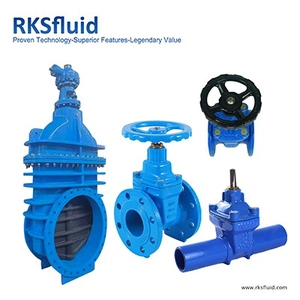
In water transmission and wastewater pipeline projects, valves are among the most critical components of the system. While considerable attention is usually given to valve selection, installation and future maintenance requirements are often underestimated during the design stage. In practice, many on-site difficulties are not caused by the valve itself, but by insufficient installation tolerance and limited maintenance accessibility.
This is why dismantling joints are widely used in water pipeline systems, particularly in combination with large-diameter valves such as butterfly valves, gate valves, and check valves. Their role extends beyond simple connection, directly affecting installation efficiency, maintenance safety, and long-term pipeline reliability.
Installation Challenges in Water Pipeline Projects
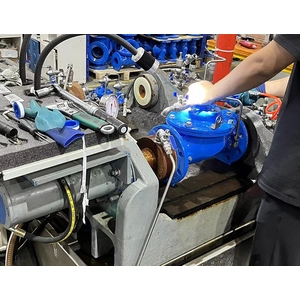
Water pipelines typically involve large-diameter pipes, heavy valves, and fixed installation positions. Once installed and commissioned, access to these components may be limited, especially in underground chambers or pumping stations.
Common installation and maintenance challenges include:
- Difficulty aligning flanged connections on-site
- Limited axial tolerance when installing or removing valves
- High labor intensity during valve replacement
- Risk of damaging adjacent pipe sections during maintenance
- Extended downtime caused by complex disassembly procedures
Without sufficient installation flexibility, even routine valve maintenance can become time-consuming and costly.
What a Dismantling Joint Provides in Practice
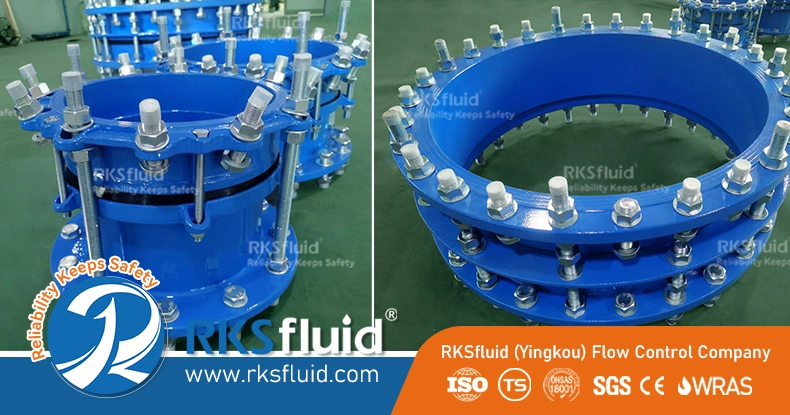
A dismantling joint is designed to compensate for axial length variations in pipeline systems. By allowing controlled axial adjustment, it creates the necessary installation clearance for valves and other pipeline equipment.
From a practical engineering standpoint, dismantling joints provide several key functions:
- Axial adjustment during installation to compensate for dimensional tolerances
- Creation of sufficient space for valve installation and removal
- Reduction of mechanical stress on valves and flanged connections
- Simplified disassembly without cutting or relocating pipes
These functions are especially valuable in large-diameter pipelines where components are heavy and precise alignment is difficult to achieve.
Typical Applications in Water and Wastewater Systems
Dismantling joints are commonly used in combination with:
- Double eccentric butterfly valves in large-diameter transmission pipelines
- Gate valves in main distribution lines
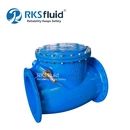
- Swing check valves at pump discharge lines
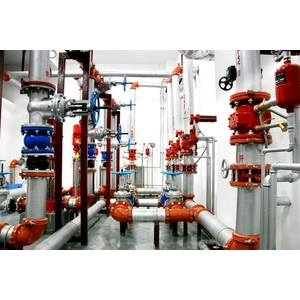
- Valve installations within pumping stations and valve chambers
In many projects, dismantling joints are installed on one or both sides of a valve, depending on pipeline layout and maintenance requirements. Their use is considered standard practice in modern water infrastructure projects.
Integration with Double Eccentric Butterfly Valves
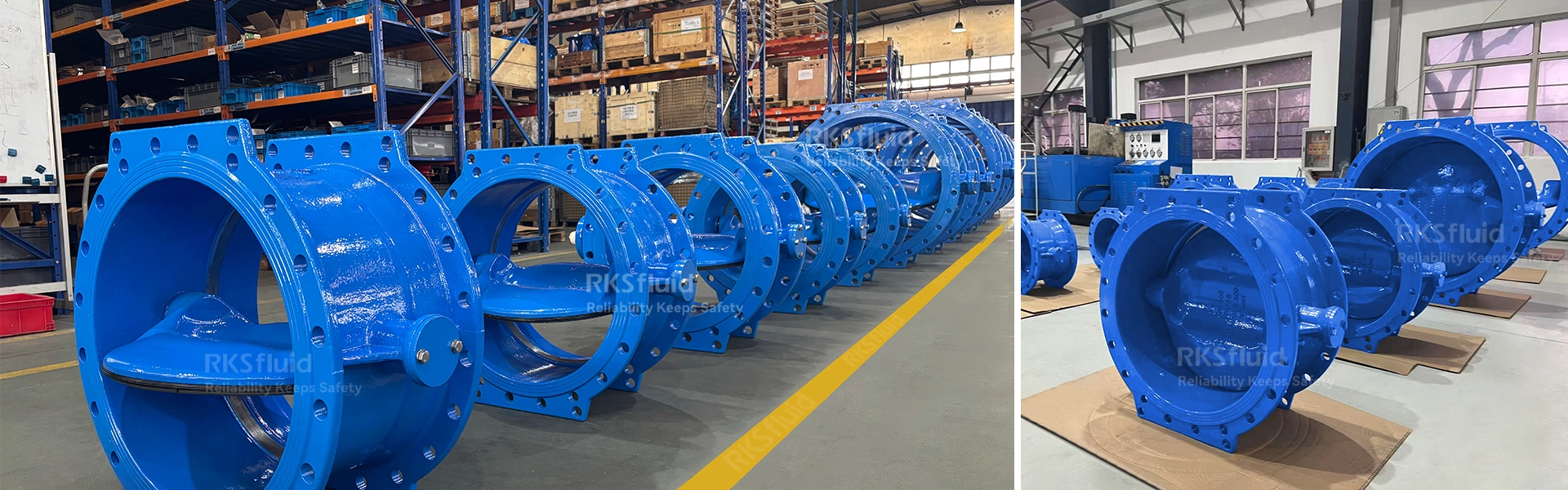
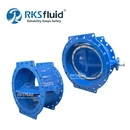
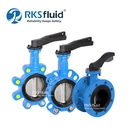
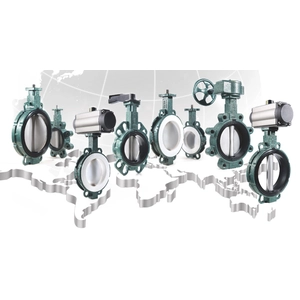
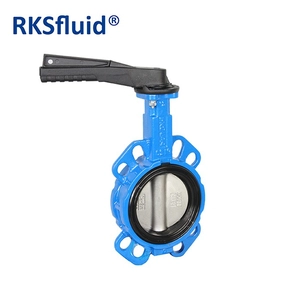
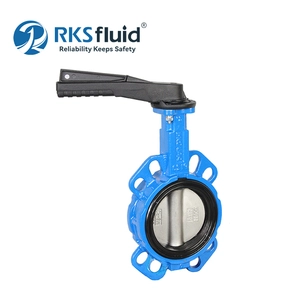
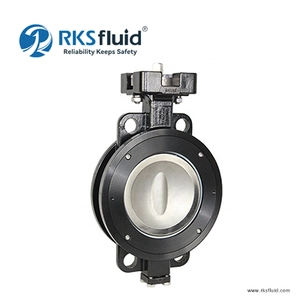
Large-diameter double eccentric butterfly valves are frequently selected for water pipelines due to their favorable sealing performance and operating characteristics. However, their size and weight make proper installation and future removal more demanding.
By installing a dismantling joint together with a butterfly valve, engineers can ensure:
- Accurate alignment during initial installation
- Reduced installation time on site
- Easier valve removal during maintenance
- Lower risk of introducing stress into the pipeline system
This combination improves both construction efficiency and long-term operational reliability, especially in confined installation environments.
Engineering Considerations for Selection
When selecting dismantling joints for water pipeline applications, engineers typically evaluate:
Nominal diameter and pressure rating
Compatibility with connected valves and pipelines
Axial adjustment range
Structural strength and stability
Installation space and maintenance accessibility
Proper selection ensures that the dismantling joint performs its function without compromising pipeline integrity or operational safety.
Conclusion
Dismantling joints play a critical role in ensuring practical and maintainable valve installations in water transmission and wastewater pipeline systems. Their ability to provide installation flexibility and facilitate future maintenance makes them an essential component rather than an optional accessory.
When used in combination with large-diameter valves such as double eccentric butterfly valves, dismantling joints contribute to safer installation, reduced downtime, and more efficient long-term pipeline operation. For water infrastructure projects focused on reliability and lifecycle performance, their inclusion is a well-established engineering practice.
RKSfluid provides dismantling joints that are commonly applied together with large-diameter valves, such as double eccentric butterfly valves, offering practical solutions for valve installation and pipeline maintenance.
 +86 138 8989 6699