Water transmission pipelines are typically designed for long-distance, high-capacity operation under relatively stable pressure conditions. Compared with internal process pipelines, these systems place greater emphasis on valve reliability, sealing stability, and long-term maintenance performance. As pipeline diameters increase, valve selection becomes a key factor affecting system efficiency and operational continuity.
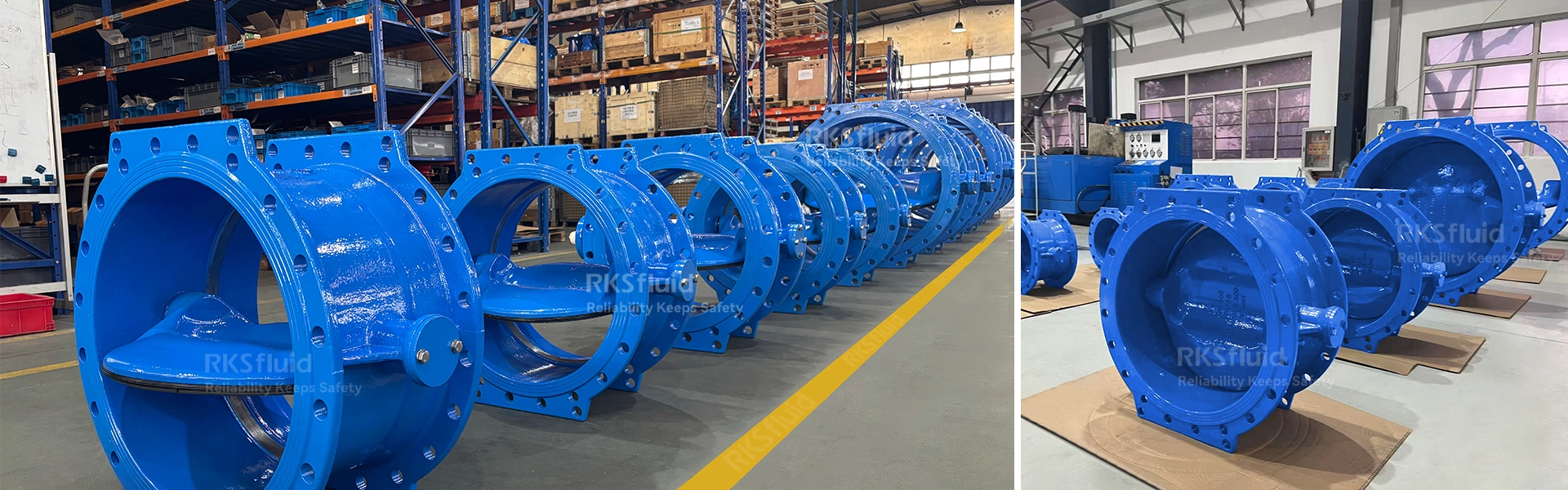
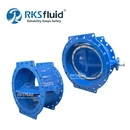
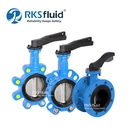
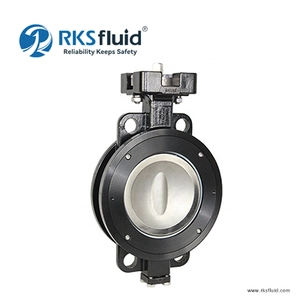
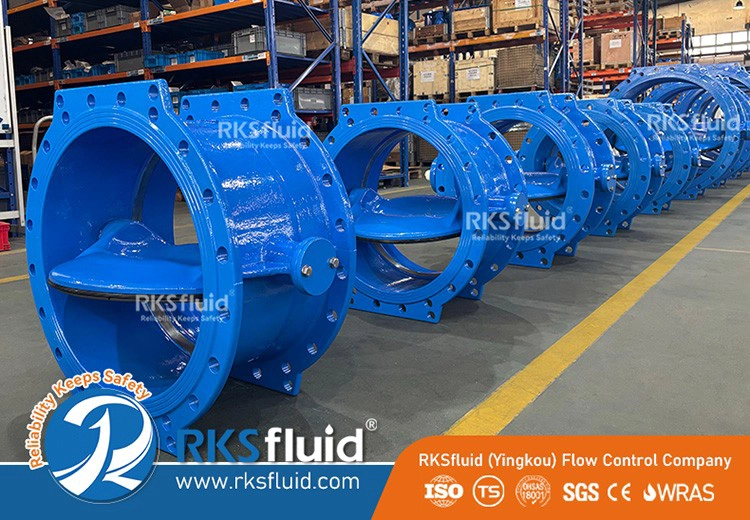
In this context, double eccentric butterfly valves are widely applied in water transmission and wastewater systems, particularly in large-diameter pipelines. Their adoption is mainly driven by structural and operational suitability rather than cost considerations.
Characteristics of Water Transmission Pipelines
Water transmission systems commonly exhibit the following characteristics:
- Large nominal diameters, often DN300 and above
- Long pipeline routes with multiple valve stations
- Repeated valve operation for flow regulation or maintenance
- Media that may contain suspended solids or impurities
- Limited access to valves after commissioning
These conditions require valves to maintain stable sealing performance and predictable operating torque over long service periods.
Limitations of Conventional Butterfly Valve Structures
In concentric butterfly valve designs, the disc remains in continuous contact with the seat throughout opening and closing. While suitable for smaller diameters and clean water applications, this structure may present limitations in large-diameter transmission pipelines.
Typical issues include:
- Continuous friction between disc and seat
- Accelerated wear of sealing surfaces
- Increasing operating torque over time
- Reduced sealing reliability after extended operation
These factors can lead to more frequent maintenance and higher operational risk in long-distance water pipelines.
Advantages of the Double Eccentric Design
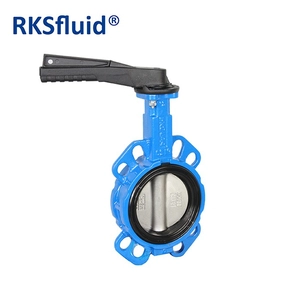
The double eccentric butterfly valve incorporates two offsets between the shaft, disc, and sealing surface. This configuration allows the disc to disengage from the seat at the early stage of opening and contact the seat only at the final stage of closing.
From an engineering perspective, this design offers several practical benefits:
- Reduced friction during operation, minimizing wear on sealing components
- Lower and more stable operating torque, especially important for large diameters
- Improved sealing performance due to controlled sealing contact
- Extended service life with reduced maintenance frequency
These advantages make double eccentric butterfly valves well suited for water transmission pipelines where reliability and lifecycle performance are critical.
Applications in Water and Wastewater Systems
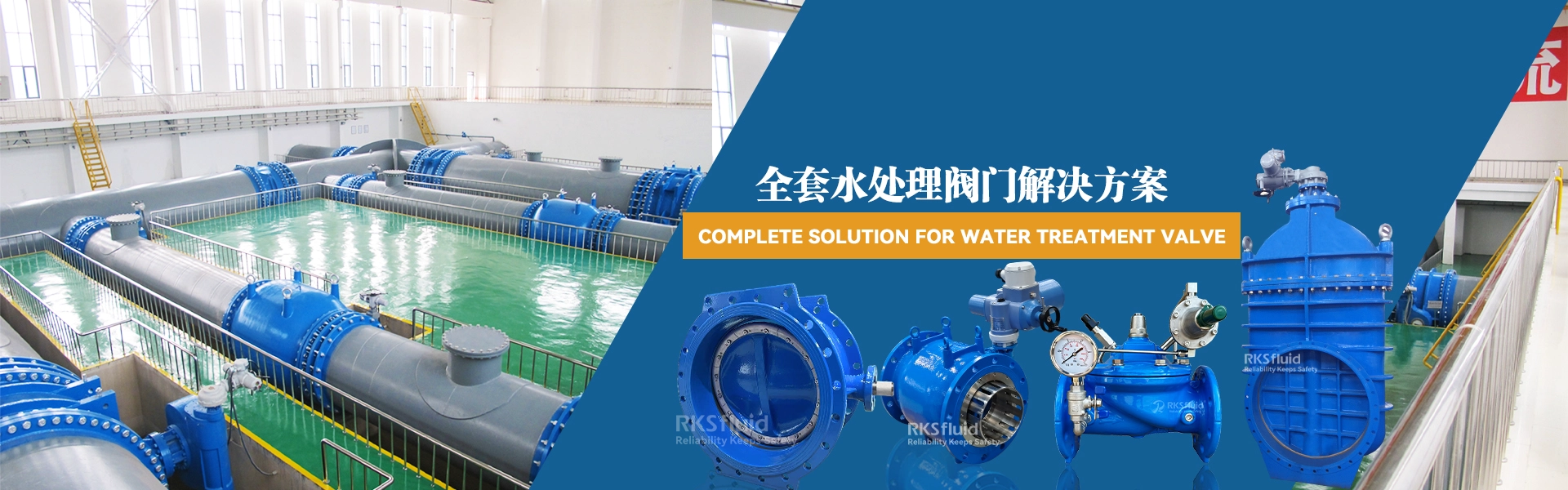
Double eccentric butterfly valves are commonly used in:
- Raw water transmission pipelines
- Treated water distribution networks
- Wastewater trunk mains
- Pumping stations and valve chambers
- Reservoir inlet and outlet pipelines
In many of these applications, valves are installed in locations with limited maintenance access. The ability to maintain consistent sealing performance over long operating periods is therefore a decisive factor in valve selection.
Installation and Maintenance Considerations
Installation and maintenance requirements are often underestimated during pipeline design. Large-diameter valves require precise alignment and sufficient axial tolerance to avoid introducing stress into the pipeline system.
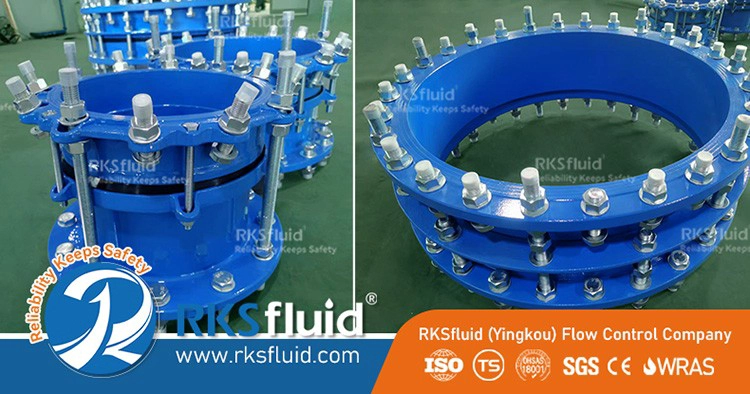
For this reason, dismantling joints are frequently installed together with butterfly valves. A dismantling joint allows axial adjustment during installation and enables easier valve removal during maintenance or replacement without disturbing adjacent pipeline sections.
In water transmission projects, the combination of a double eccentric butterfly valve and a dismantling joint helps to:
- Simplify installation alignment
- Reduce installation time
- Improve maintenance efficiency
- Minimize pipeline downtime
This combination is particularly effective in underground valve chambers and pump stations where space is limited.
Engineering Selection Considerations
When selecting a double eccentric butterfly valve for water transmission pipelines, engineers typically consider:
- Nominal diameter and pressure rating
- Media characteristics (raw water, treated water, wastewater)
- Operating frequency and control requirements
- Actuation method (manual, gearbox, electric, hydraulic)
- Installation and future maintenance accessibility
A valve selected with these factors in mind contributes to stable system operation and reduced long-term operating costs.
Conclusion
The widespread use of double eccentric butterfly valves in water transmission pipelines is based on practical engineering requirements rather than preference. Their structural characteristics effectively address the operational challenges associated with large-diameter, long-distance water systems.
When combined with appropriate installation components such as dismantling joints, double eccentric butterfly valves provide a reliable and maintainable solution for modern water transmission and wastewater infrastructure.
If you are looking for a high-efficiency, reliable double eccentric butterfly valve, feel free to contact RKSfluid Valve.
Our Athena series of double eccentric butterfly valves is designed for efficient and dependable fluid control across multiple industrial scenarios.
 +86 138 8989 6699