For EPC contractors, engineering companies and industrial procurement teams, preparing a complete Request for Quotation (RFQ) is an important step in industrial valve purchasing.
A valve quotation involves more than identifying the valve type and nominal size. Design standards, pressure ratings, material specifications, operating conditions, connection dimensions, actuation requirements and inspection documentation can all affect product configuration, manufacturing scope and delivery arrangements.
Incomplete or unclear technical information may lead to repeated clarification, incorrect product selection or differences between the quoted configuration and actual project requirements.
This guide provides a practical industrial valve RFQ checklist to help project buyers prepare the information required for a more accurate technical review and quotation.
1. Identify the Valve Type and Application
The first step is to identify the required valve type and its intended application.
Different valve designs perform different functions in a pipeline system. The valve selection should match the process requirements, operating conditions and system design.
Common industrial valve types include:
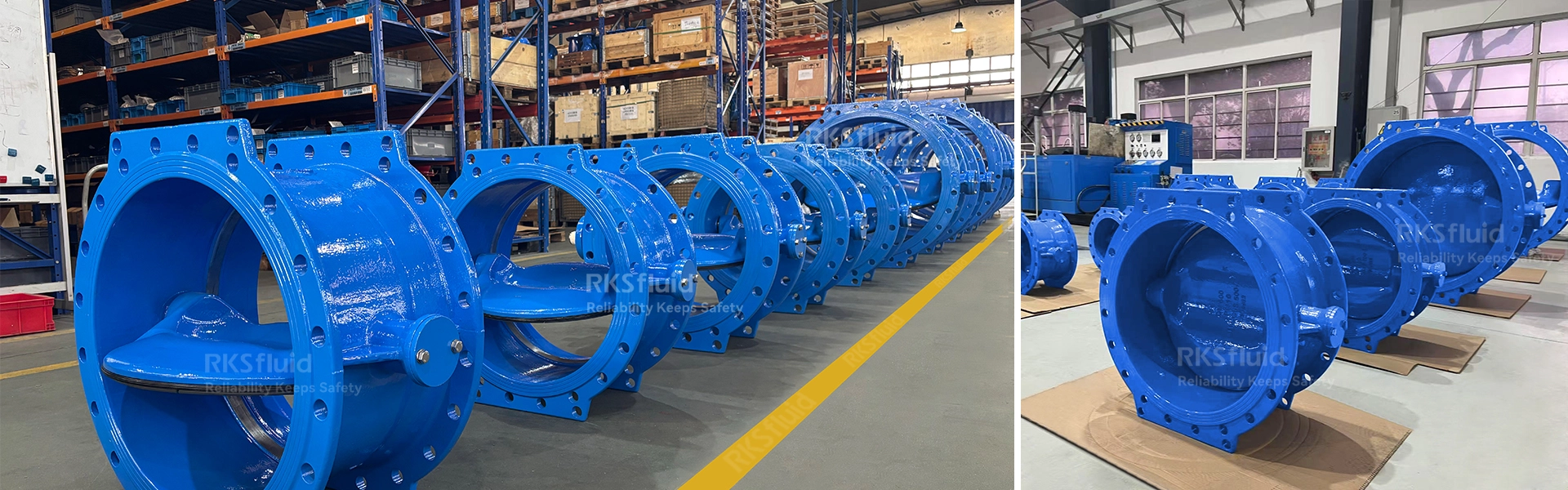
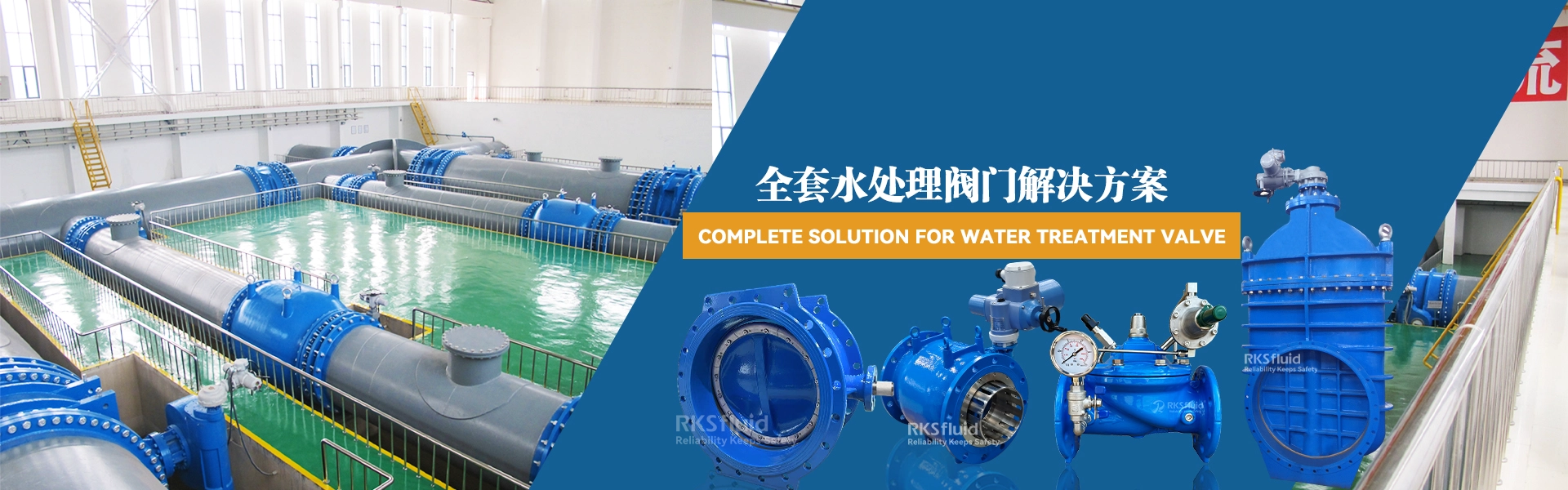
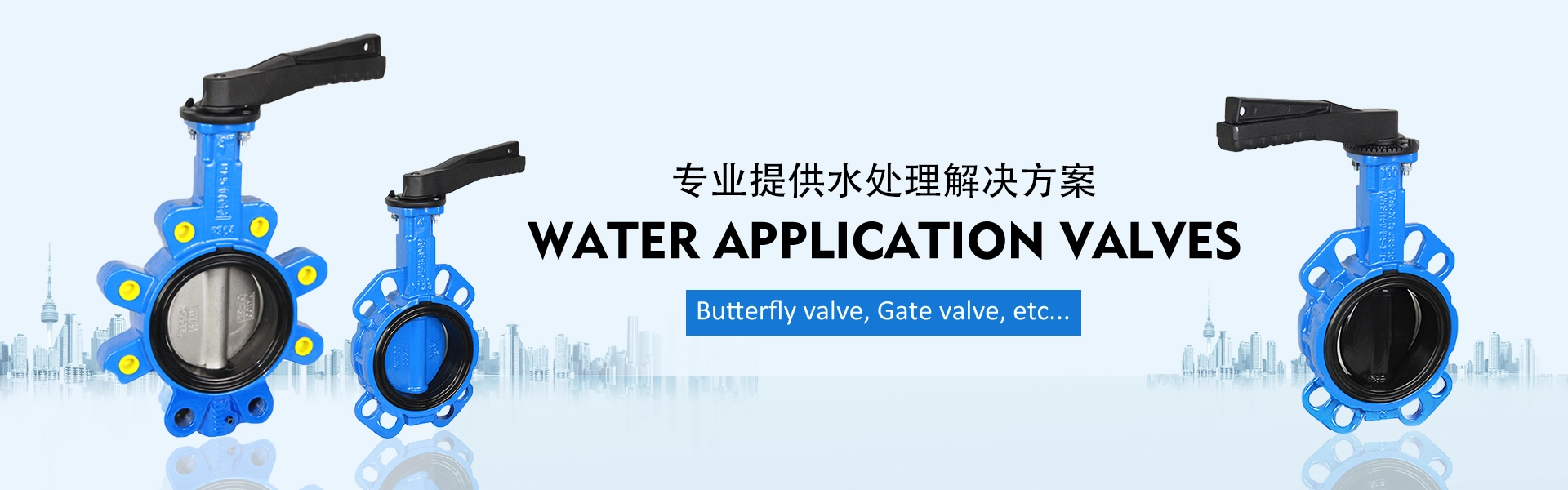
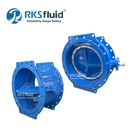
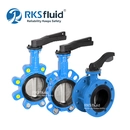
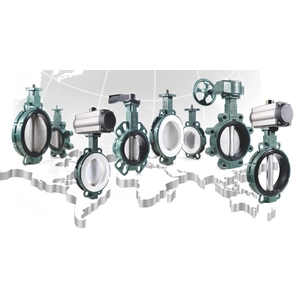
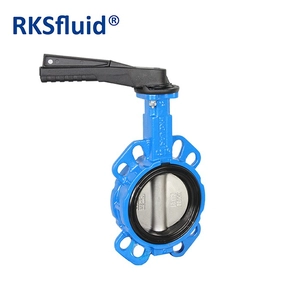
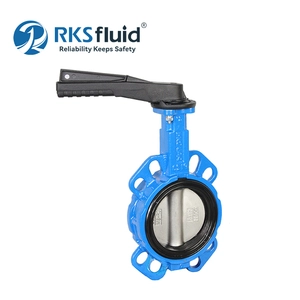
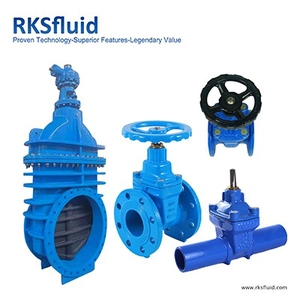
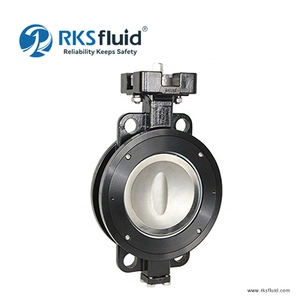
- Butterfly Valves: Commonly used for flow isolation and regulation in water supply, wastewater treatment and industrial pipeline systems.
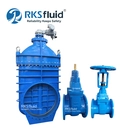
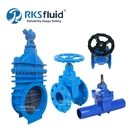
- Gate Valves: Generally used for on-off isolation in pipelines.
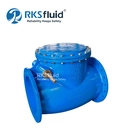
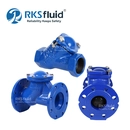
- Check Valves: Designed to prevent reverse flow in pipeline systems.
- Ball Valves: Used for shut-off applications requiring a rotating ball closure element.
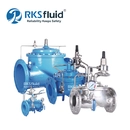
- Control Valves: Used to regulate flow, pressure or other process variables according to system requirements.
- Air Release Valves: Used in water pipelines to release accumulated air and manage air-related operating conditions.
When preparing an RFQ, specify the valve type, application, installation location and required operating function.
For project procurement, it is also helpful to provide the relevant P&ID, valve list or equipment schedule where available.
2. Specify Valve Size, Pressure Rating and End Connection
Nominal size and pressure rating are essential parameters for determining the valve's basic configuration.
The RFQ should clearly identify:
- Nominal diameter (DN or NPS)
- Pressure rating or pressure class
- End connection type
- Flange drilling and facing requirements, where applicable
- Face-to-face or end-to-end dimensions
- Installation orientation, where relevant
For example, a butterfly valve specified as DN300, PN16, double flanged does not provide all the information needed for a complete technical evaluation. The applicable design standard, flange requirements, face-to-face dimensions and installation conditions should also be confirmed.
Where the project follows international standards, specify the required standard and edition rather than relying only on a general description.
Typical standards referenced in valve procurement may include EN, API, ASME, AWWA and ISO standards. Their applicability depends on the valve type, design and project specification.
3. Define Body, Trim and Sealing Materials
Material selection directly affects valve suitability for the operating medium, temperature, pressure and service environment.
The RFQ should identify the required materials for the main pressure-retaining components and relevant internal parts.
Typical material information includes:
| Component |
Information to Specify |
| Valve body |
Ductile iron, carbon steel, stainless steel or specified alloy |
| Disc,ball or gate |
Material grade and coating requirements, where applicable |
| Stem or shaft |
Required material grade and corrosion resistance |
| Seat or sealing element |
EPDM, NBR, PTFE, metal seat or other specified material |
| Bolting and accessories |
Material grade and project requirements |
Material requirements should be based on the process medium and actual operating conditions.
For example, a valve used in a municipal water supply pipeline may have different material and sealing requirements from one installed in an industrial process line handling corrosive fluids.
If a specific material grade, coating system or material certificate is required, include it in the RFQ rather than using a broad material description alone.
4. Provide Operating Conditions and Process Data
Operating conditions are necessary for checking whether the proposed valve design and materials are suitable for the application.
The RFQ should include the following information whenever available:
- Operating medium
- Normal operating pressure
- Maximum and minimum operating pressure
- Design pressure
- Operating temperature range
- Flow rate or flow velocity, where relevant
- Corrosive or abrasive characteristics of the medium
- Required operating frequency
- Special environmental or installation conditions
For water pipeline applications, additional information such as pump operating conditions, possible pressure fluctuations and pipeline surge considerations may be relevant.
For process applications, fluid composition, viscosity, solids content and other process characteristics may affect the selection of valve materials and internal components.
Providing actual process data allows the manufacturer to evaluate the application more accurately instead of making assumptions based only on nominal size and pressure rating.
5. Confirm Operation and Actuation Requirements
Valve operation should be clearly specified in the RFQ because the operating arrangement affects the valve configuration, accessories and overall quotation.
Common operating options include:
- Handwheel
- Gearbox with handwheel
- Electric actuator
- Pneumatic actuator
- Hydraulic actuator, where applicable
For actuated valves, additional information may be required:
- Required actuator type and operating method
- Power supply and control voltage for electric actuators
- Control signal and feedback requirements
- Fail-open, fail-closed or fail-in-place requirements, where applicable
- Required opening and closing time
- Local or remote operation
- Control accessories and communication requirements
- Environmental protection and installation conditions
For example, an electric actuator requirement should not be limited to stating "electric operated." The power supply, control method, torque requirements and interface details should be reviewed against the project specification.
Where actuator selection is part of the manufacturer's scope, provide the relevant operating conditions and required control information.
6. Define Applicable Standards, Inspection and Testing Requirements
Inspection and testing requirements should be stated clearly before quotation.
They may influence manufacturing procedures, inspection arrangements, documentation scope and delivery schedules.
Depending on the valve type and project specification, the RFQ may include:
- Applicable design and manufacturing standards
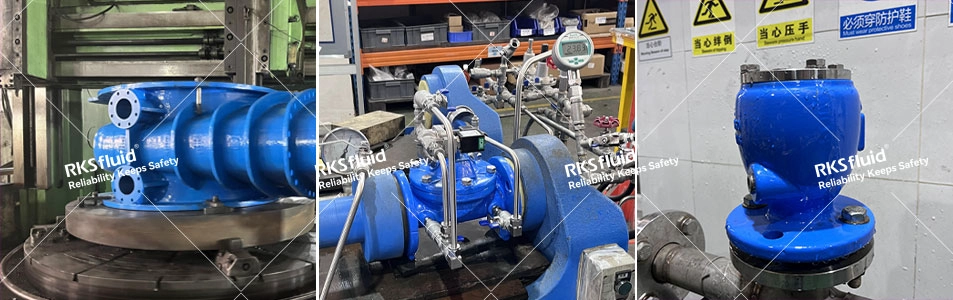
- Shell pressure testing requirements
- Seat leakage testing requirements
- Functional operation testing
- Actuator inspection and testing, where applicable
- Coating inspection requirements
- Non-destructive examination (NDE), where specified
- Third-party inspection requirements
- Factory Acceptance Test (FAT), where required
- The applicable testing standard and acceptance criteria should be identified in the project specification.
For example, API 598, EN 12266-1 and ISO 5208 are standards referenced in valve inspection and testing. They should not automatically be treated as interchangeable. The required standard, edition, test conditions and acceptance criteria must be confirmed for the specific valve and project.
If third-party inspection is required, identify the inspection agency, inspection scope and relevant hold or witness points as early as possible.
7. Specify Quality Documentation and Certification Requirements
For EPC and industrial projects, quality documentation may form part of the contractual delivery scope.
The RFQ should identify which documents are required and whether they must be submitted for approval before manufacturing, during production or before shipment.
Depending on the product and project requirements, documentation may include:
- Material certificates, such as EN 10204 3.1 or 3.2, where specified
- Material traceability records
- Dimensional inspection reports
- PMI reports, where required
- Welding procedure and qualification records, where applicable
- NDE reports, where specified
- Pressure test reports
- Functional testing records
- Coating inspection reports
- Factory Acceptance Test records
Not every document applies to every valve. The required documentation should be determined by the product construction, purchase specification, approved quality plan and contractual requirements.
8. Confirm Delivery, Packing and Project Requirements
In addition to technical specifications, procurement teams should clarify commercial and delivery-related requirements.
Important information includes:
- Required quantity
- Delivery destination
- Target delivery date or project schedule
- Packing and preservation requirements
- Export packaging requirements
- Marking and identification requirements
- Spare parts and special accessories
- Required shipping documents
- Country-specific or project-specific requirements
For large projects, the valve delivery schedule may need to align with construction milestones, installation sequences or phased shipment arrangements.
Providing the required delivery schedule at the quotation stage helps the manufacturer evaluate production planning and logistics requirements.
9. Industrial Valve RFQ Checklist: Information to Prepare
Before sending an RFQ, use the following checklist to review whether the essential information is available.
| RFQ Item |
Information Required |
| Valve identification |
Valve type,application and tag number |
| Quantity |
Required quantity and size breakdown |
| Size and rating |
DN/NPS and pressure rating/class |
| Design requirements |
Applicable design and manufacturing standards |
| Connection |
Flanged,threaded,welded or other specified connection |
| Dimensions |
Face-to-face,flange and installation requirements |
| Materials |
Body,closure element,stem/shaft and sealing materials |
| Process conditions |
Medium,pressure and temperature |
| Operation |
Manual,gearbox,electric,pneumatic or other actuation |
| Testing |
Pressure,leakage,functional and other specified tests |
| Inspection |
NDE,third-party inspection and FAT,where required |
| Documentation |
Material certificates,inspection reports and project records |
| Delivery |
Destination,schedule,packing and marking requirements |
A complete RFQ does not necessarily require every field to be finalized before contacting a manufacturer. However, clearly identifying confirmed requirements, pending details and project-specific conditions helps reduce unnecessary clarification during the quotation process.
10. What to Send to a Valve Manufacturer for Quotation
For EPC projects and bulk procurement, sending a complete valve list or technical datasheet is usually more efficient than requesting a quotation using only a product name and nominal size.
Useful supporting documents include:
- Valve Data Sheets
- Valve Lists or Equipment Schedules
- P&IDs
- Technical Specifications
- Project Inspection and Test Plans (ITPs), where available
- Relevant drawings and connection details
If some information is not yet available, identify the missing items and provide the known operating conditions. The manufacturer can then review the available information and clarify the technical details required for quotation.
Request an Industrial Valve Quotation from RKSfluid
RKSfluid supports industrial valve supply for water infrastructure and industrial pipeline applications, covering butterfly valves, gate valves, check valves, control valves, air release valves and other valve products.
For EPC contractors, distributors and project procurement teams, our technical review can be based on valve datasheets, project specifications, valve lists or individual product requirements.
A clear technical scope is the starting point for accurate valve selection, quotation and project delivery.
 +86 138 8989 6699