Pig Launchers and Pig Receivers are often specified together in oil and gas pipeline projects, but they serve different purposes. A launcher loads and introduces a pig into the pipeline. A receiver collects the pig after it has travelled through the pipeline and provides access for its removal.
This difference affects the barrel arrangement, pipeline connections and equipment configuration. It also means that the two units do not always need to be purchased together.
1. What Is the Difference Between a Pig Launcher and a Pig Receiver?
The main difference is the direction of the pigging operation.
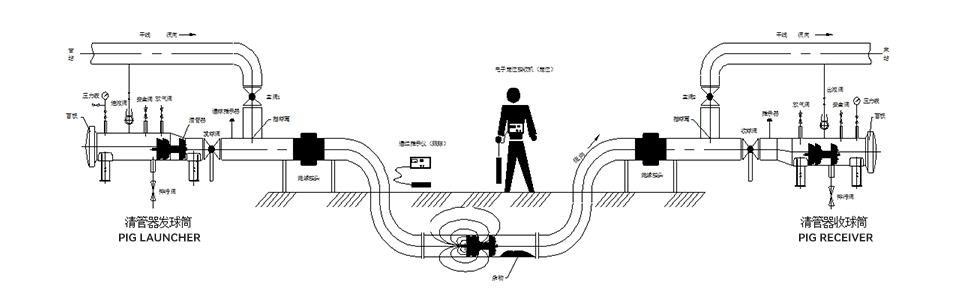
A Pig Launcher provides the chamber for loading a pipeline pig before it enters the pipeline. The quick opening closure allows access to the barrel for loading and removal of the pig when the equipment is depressurized.
A Pig Receiver is installed at the receiving end of the pipeline section. After the pig arrives, the receiver provides access for retrieval and inspection.
Both units are pressure-containing equipment. Their design must account for the pipeline operating conditions, pig dimensions, connection arrangement and the procedure used to carry out pigging operations.
2. Equipment Arrangement and Main Components
The two units share several components, but their connections and arrangements are determined by their respective functions.
| Equipment |
Main function |
Typical configuration |
| Pig Launcher |
Loads and introduces pigs into the pipeline |
Barrel,Quick Opening Closure,pipeline connections, valves,pressure gauge and pig detector where specified |
| Pig Receiver |
Collects and allows retrieval of pigs |
The barrel must accommodate the selected pig and provide sufficient space for loading or retrieval. Reducers, connection sizes and auxiliary piping are determined by the pipeline design.
The final arrangement should be checked against the approved equipment drawings and operating procedure. A receiver should not simply be treated as a launcher with reversed connections.
3. Technical Specifications
RKSfluid's pigging equipment catalogue gives the following reference specifications:
| Parameter |
Reference Specification |
| Nominal Diameter |
DN150-DN2000 |
| Design Pressure |
1.6-16 MPa |
| Test Pressure |
1.5 × Design Pressure |
| Applicable Media |
Crude oil, refined petroleum products, gas and water |
| Corrosion Allowance |
Minimum 2 mm reference value |
| Seismic Requirement |
Seismic intensity 7 reference requirement |
Final dimensions, pressure ratings, materials and structural configurations are confirmed according to the approved technical specifications.
The applicable design requirements should also be clearly identified. ASME BPVC Section VIII, Division 1 may apply to pressure vessel design, while ASME B31.3, B31.4 or B31.8 may apply to associated process piping or pipeline systems, depending on the project scope. The applicable code and testing requirements must be confirmed for each project.
4. Quick Opening Closure: An Important Component of Both Units
The Quick Opening Closure is an important part of both a Pig Launcher and a Pig Receiver. It provides access to the barrel for loading or retrieving the pig.
RKSfluid offers three types:
-
Bandlock Type: DN300–DN2000, design pressure 1.6–30 MPa.
-
Clamped Type: DN150–DN1500, design pressure up to 35 MPa.
-
Inserted Type: DN80–DN300, design pressure up to 35 MPa.
The closure should be selected according to the required opening diameter, design pressure, temperature, medium and opening frequency. Its dimensions and connection arrangement must also match the barrel design.
Pig handling requirements should be confirmed at the same stage. RKSfluid's pigging equipment range is intended for use with different pig types, including foam pigs, cup pigs, brush pigs and intelligent pigs. The selected equipment dimensions and internal arrangement must be suitable for the specified pig.
5. Do Pig Launchers and Pig Receivers Have to Be Purchased Together?
No. They can be specified and purchased separately.
For example, a pipeline operator may need to replace an existing receiver while keeping the launcher in service. A pipeline extension may require an additional launcher connected to an existing receiving arrangement. Some projects also purchase both units as part of a new pigging package.
For an individual replacement unit, the buyer should provide the existing equipment drawings, connection dimensions and operating data. This information helps the manufacturer check whether the new equipment will fit the existing pipeline arrangement.
When both units are purchased together, their design conditions and connection details should be reviewed as part of the same project.
6. Inspection and Manufacturing Requirements
Inspection requirements should be agreed before manufacturing. The applicable design code, approved drawings and project Inspection and Test Plan (ITP) determine the required checks.
Typical inspection activities for pressure-containing pigging equipment may include:
- Material verification and traceability
- Dimensional inspection
- Welding inspection and applicable non-destructive testing
- Pressure testing
- Inspection of connections and supplied components
- Final inspection and review of manufacturing records
Required manufacturing and inspection records may include material certificates, welding records, NDT reports, pressure test reports and dimensional inspection records.
Third-party inspection and additional testing can be arranged when specified in the project requirements.
7. What Should Buyers Include in an RFQ?
A nominal diameter and pressure rating are not enough to prepare a complete technical quotation. The manufacturer also needs to understand the pigging operation and the existing pipeline connections.
For a Pig Launcher or Pig Receiver inquiry, buyers should provide:
- Equipment type: Pig Launcher, Pig Receiver or both
- Pipeline size and required barrel dimensions
- Design pressure and operating pressure
- Design and operating temperature
- Process medium
- Pig type and dimensions
- Quick Opening Closure requirements, if specified
- Applicable design code and project specification
- Material requirements and corrosion allowance
- Inspection, testing and documentation requirements
- Equipment drawings or pipeline connection details, especially for replacement projects
An existing datasheet or general arrangement drawing is particularly useful when the new equipment must connect to an operating pipeline system.
Pig Launcher and Pig Receiver Manufacturer
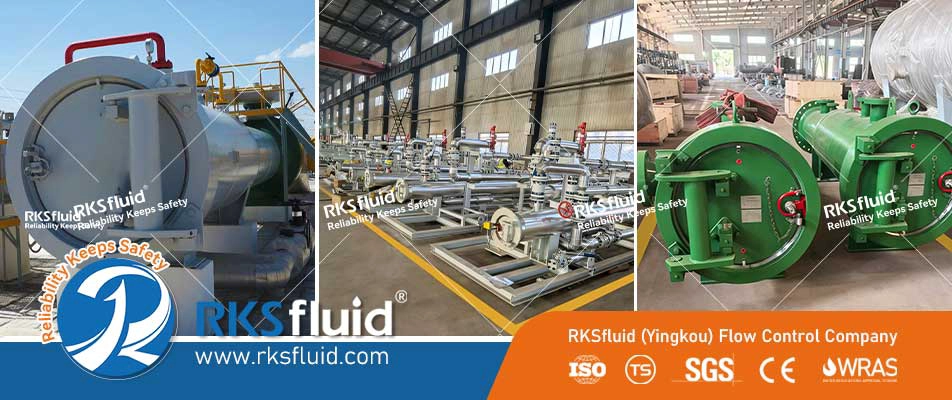
RKSfluid manufactures Pig Launchers and Pig Receivers for oil and gas pipeline pigging systems, with reference nominal diameters from DN150 to DN2000 and design pressures from 1.6 to 16 MPa.
Equipment configuration, materials, pressure ratings, inspection scope and documentation can be specified according to project requirements.
Whether the requirement is for an individual Pig Launcher, a Pig Receiver or a complete pigging equipment package, RKSfluid can review the technical specifications and provide a project-based quotation.
Contact RKSfluid to discuss your Pig Launcher and Pig Receiver requirements.
 +86 138 8989 6699