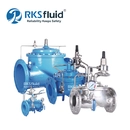
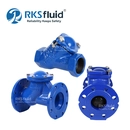
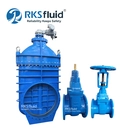
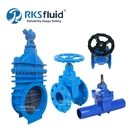
The performance and service life of an industrial valve depend not only on its design, but also on the quality of its materials, manufacturing processes, machining accuracy, assembly and inspection.
For industrial applications, every stage of valve production plays a role in determining dimensional accuracy, pressure resistance, sealing performance and operational reliability. A well-controlled manufacturing process is therefore essential for supplying valves that meet project specifications and operating requirements.
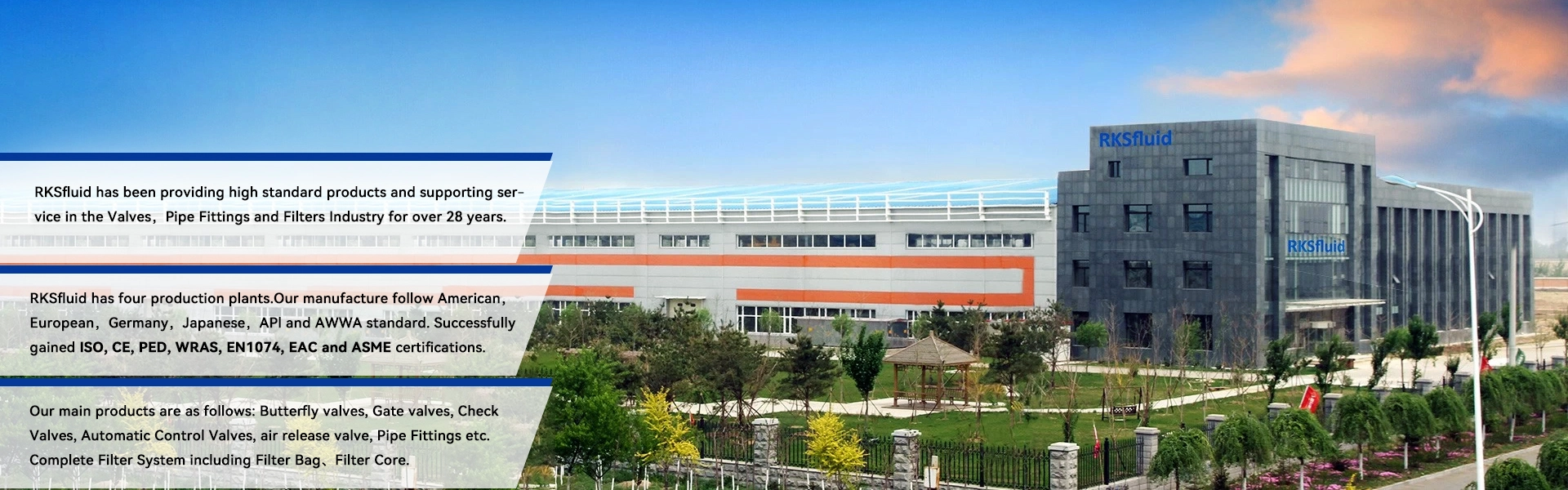
With manufacturing operations established since 1997, RKSfluid combines engineering experience, production facilities and quality inspection capabilities to manufacture industrial valves and flow control equipment for a wide range of applications.
1. Material Selection and Incoming Inspection
Valve manufacturing begins with material selection according to the design specification, pressure rating, operating medium and service conditions.
Depending on the valve type and application, the main materials may include ductile iron, carbon steel, stainless steel and other specified alloys. Material selection must consider mechanical properties, corrosion resistance, temperature and compatibility with the process medium.
Before production, incoming materials and components are checked against the relevant technical requirements. Material identification, dimensional verification and documentation review help maintain traceability throughout the manufacturing process.
For projects requiring material documentation, EN 10204 inspection certificates, including 3.1 or 3.2 documentation, can be arranged according to the agreed inspection requirements.
2. Casting and Component Preparation
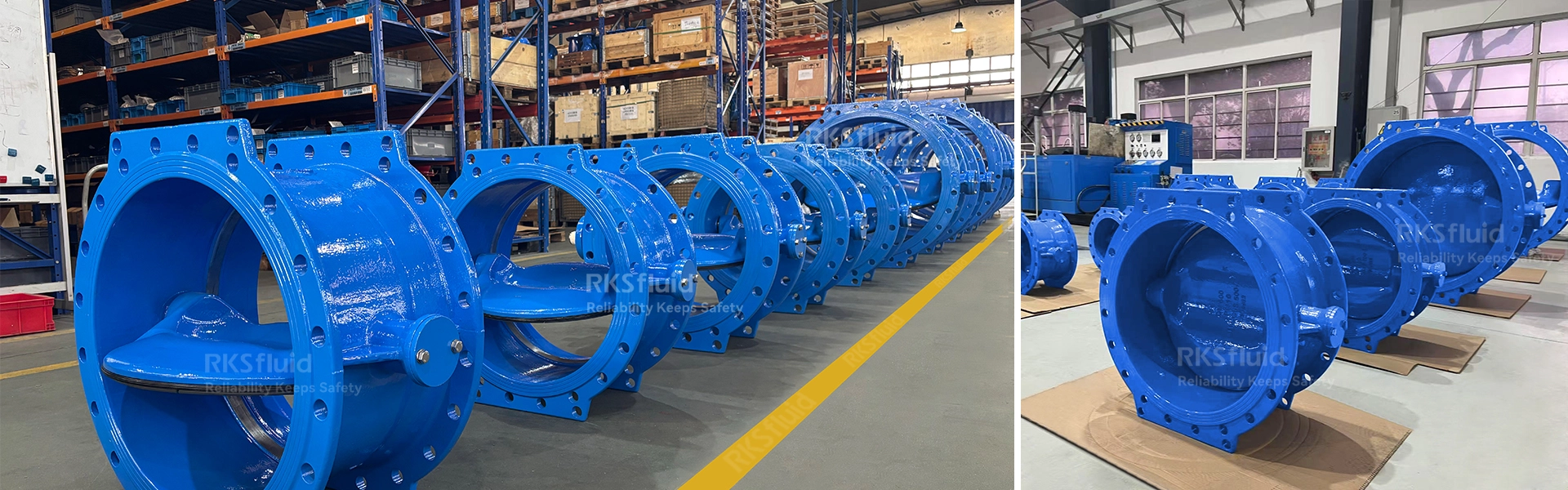
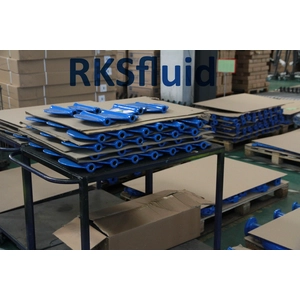
Valve body, bonnets and other major components are commonly produced through casting or fabrication, depending on the valve design, material and construction requirements.
For cast components, the manufacturing process involves pattern preparation, metal pouring, cooling, shakeout and subsequent cleaning. Castings are then checked for surface conditions, dimensional conformity and potential defects. Where required by the design or inspection specification, non-destructive examination may be applied to evaluate material integrity.
Fabricated components follow the relevant cutting, forming and welding processes. Welding quality is controlled through qualified welding procedures and personnel, with WPS, PQR and WPQ documentation available where applicable.
These processes provide the foundation for subsequent machining and assembly.
3. CNC Machining and Precision Processing
Machining is a critical stage in valve manufacturing because the dimensional accuracy of key components directly affects assembly fit, sealing performance and operating characteristics.
RKSfluid's manufacturing facilities are equipped with CNC machining centers, large-scale laser processing equipment and other precision manufacturing resources.
Depending on the valve construction, machining operations may include:
- Valve body and bonnet machining
- Flange face and connection machining
- Disc and ball machining
- Stem and shaft machining
- Seat and sealing surface processing
- Drilling, boring and precision finishing
Particular attention is given to critical dimensions, machining tolerances and surface conditions. Components such as valve seats, discs, stems and connection interfaces must be manufactured to the specified dimensions to ensure proper fit and reliable operation.
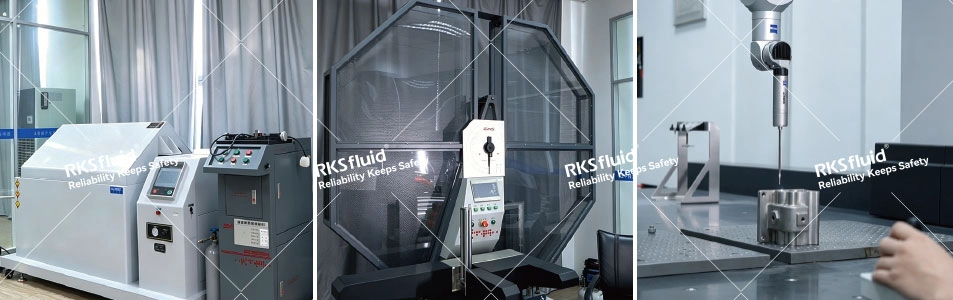
Coordinate measuring equipment and other inspection instruments support dimensional verification during manufacturing.
4. Component Inspection and Quality Verification
Before assembly, key components undergo inspection to verify that they meet the required material, dimensional and manufacturing specifications.
Inspection activities may include:
- Dimensional measurement and tolerance verification
- Material identification and PMI
- Visual inspection of machined surfaces
- Non-destructive examination where required
- Verification of critical sealing and connection dimensions
RKSfluid's inspection resources include tensile and impact testing equipment, coordinate measuring equipment, and metallographic and spectral analysis facilities.
5. Valve Assembly
Valve assembly brings together the manufactured components into a complete operating unit.
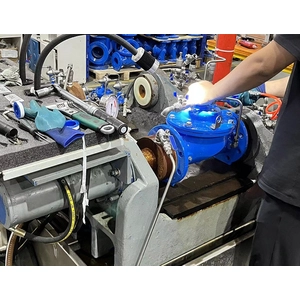
Depending on the valve type, assembly may involve fitting the disc, ball, gate, stem, seat, seals, bearings, packing and other internal components. Gearboxes, electric actuators or pneumatic actuators are installed according to the specified operating configuration.
During assembly, attention is given to component alignment, fastening, sealing interfaces, clearances and the correct installation of operating mechanisms.
Assembly inspection helps identify potential issues before pressure and functional testing. For automated valves, actuator operation and the interaction between the actuator and valve can also be checked according to the agreed configuration.
6. Pressure Testing and Functional Inspection
Pressure and functional testing are essential stages in verifying valve manufacturing quality.
Testing is performed according to the applicable product standards, approved inspection procedures and project requirements.
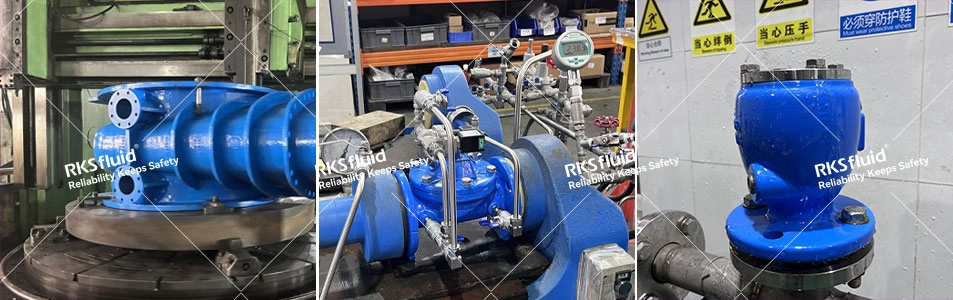
Typical inspection activities include: Shell pressure testing, Seat leakage testing, Functional testing and Actuator testing etc.
RKSfluid provides hydrostatic testing, functional testing and Factory Acceptance Testing (FAT) capabilities. Testing scope and acceptance criteria are defined according to the product specification and project requirements.
7. Surface Treatment and Final Inspection
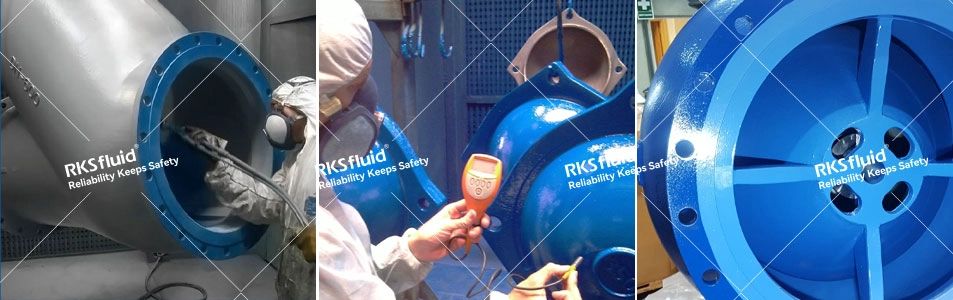
Surface treatment helps protect valve components against environmental exposure and corrosion during storage and service.
Depending on the valve material, application and project specification, surface preparation and coating processes are selected accordingly. Coating inspection may include visual assessment, coating thickness measurement and dry film thickness (DFT) verification.
Before delivery, completed valves undergo final inspection. This stage may include checks of:
- Overall dimensions and connection details
- Surface condition and coating quality
- Valve identification and nameplates
- Operating accessories and configuration
- Packaging and preservation requirements
- Required inspection and testing records
These checks help ensure that the supplied products correspond to the approved technical specification and purchase requirements.
8. Quality Documentation and Project Inspection
For industrial projects, product quality should be supported by appropriate inspection records and technical documentation. The required documents depend on the valve type, purchase specification, approved quality plan and contractual requirements. Third-party inspection can also be arranged when required by the purchaser or project specification.
Inspection methods, documentation requirements, hold points and acceptance criteria should be confirmed during the technical review and order stage. This helps align manufacturing activities with the purchaser's quality requirements and project delivery schedule.
RKSfluid Manufacturing and Engineering Capabilities
RKSfluid is supported by manufacturing operations established in 1997, with production facilities covering more than 100,000 square meters across four manufacturing bases.
The group's manufacturing resources include CNC machining centers, large-scale laser processing equipment, welding robots and coating facilities. Engineering, R&D and quality inspection resources support product development, manufacturing verification and quality control.
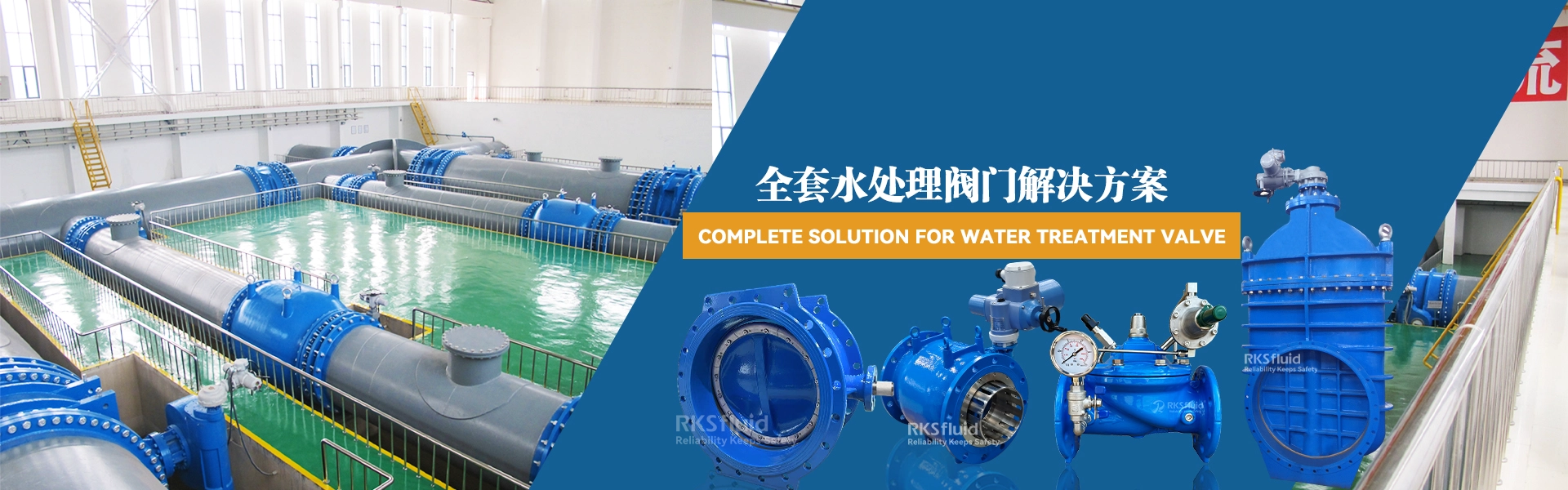
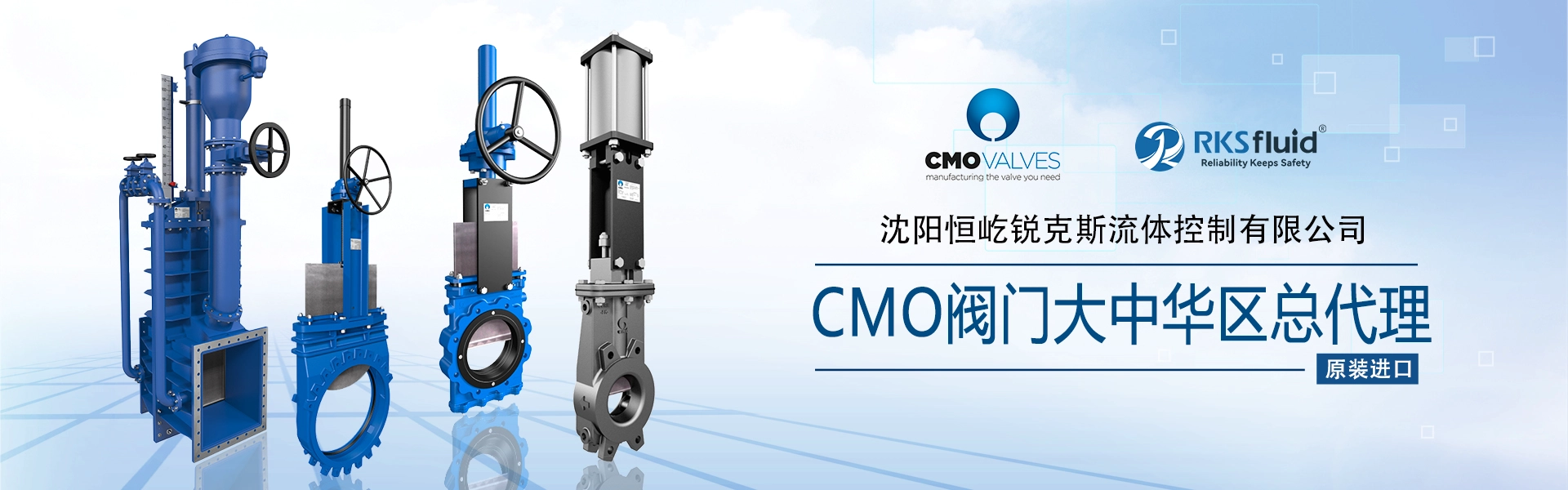
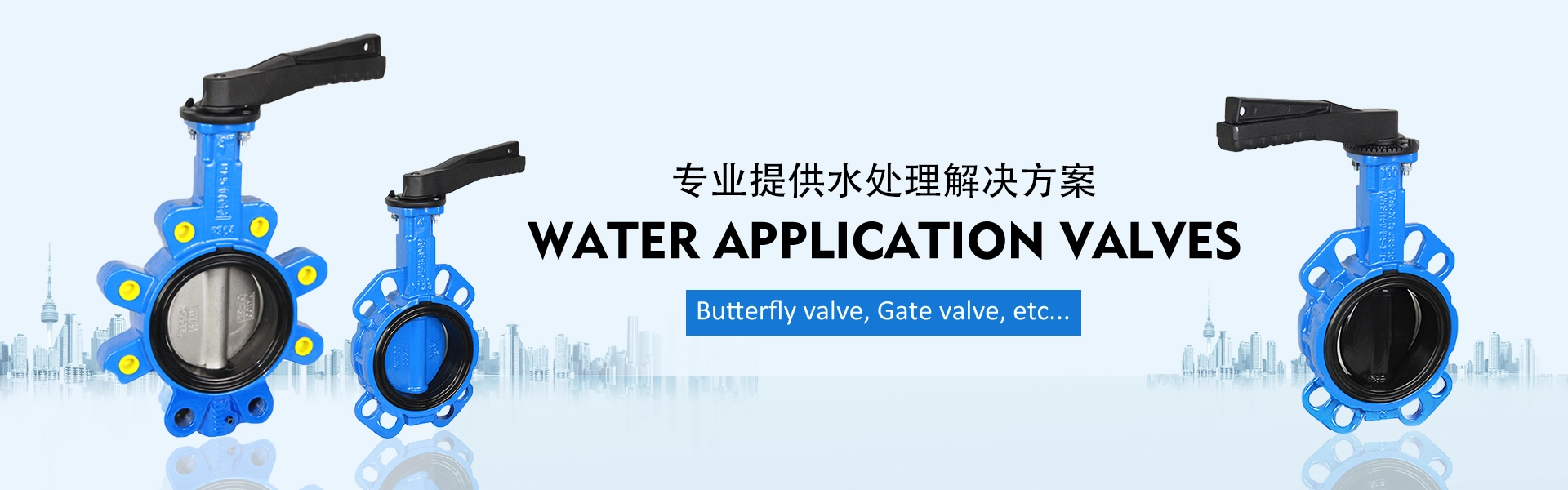
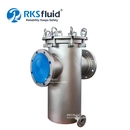
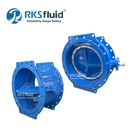
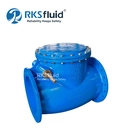
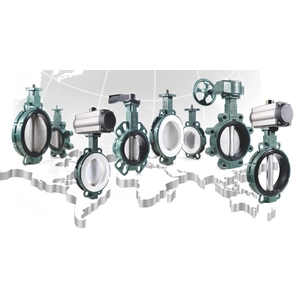
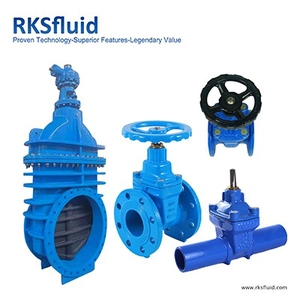
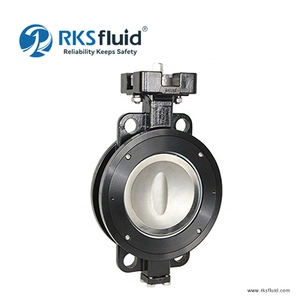
These capabilities support the production of industrial valves and flow control equipment, including butterfly valves, gate valves, check valves, control valves and other valve solutions for industrial and infrastructure applications.
By combining manufacturing resources, engineering experience and inspection capabilities, RKSfluid supports standard valve production as well as customized manufacturing requirements for different project applications.
Discuss Your Valve Manufacturing Requirements with RKSfluid
Selecting an industrial valve manufacturer involves more than comparing product dimensions and prices. Manufacturing processes, material traceability, machining quality, pressure testing and inspection documentation are also important considerations for engineering companies, EPC contractors, distributors and project procurement teams.
RKSfluid works with customers to review valve specifications, operating conditions and project inspection requirements, helping identify suitable product configurations and manufacturing arrangements.
For technical evaluation and quotation, buyers are encouraged to provide:
- Valve type, size and pressure rating
- Applicable design and connection standards
- Body, disc, trim and sealing material requirements
- Operating medium and service conditions
- Manual or actuated operation requirements
- Inspection, testing and documentation requirements
- Project quantity and expected delivery schedule
Submit your technical specifications, drawings or valve schedule to RKSfluid for further engineering review and quotation support.
 +86 138 8989 6699