 +86 138 8989 6699


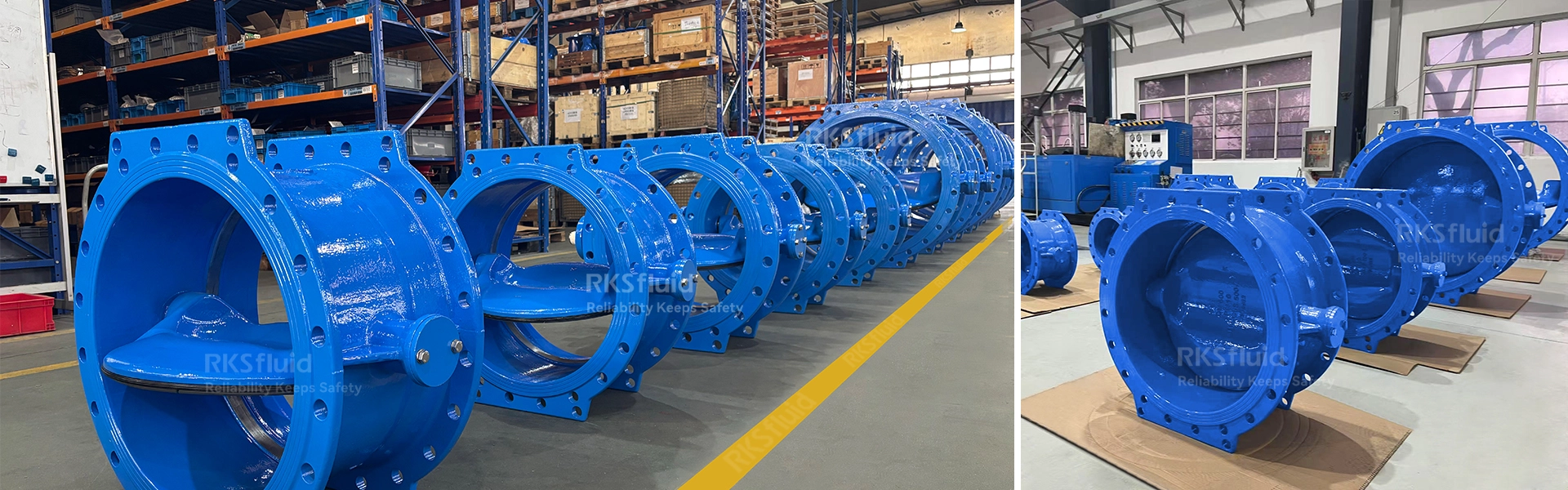
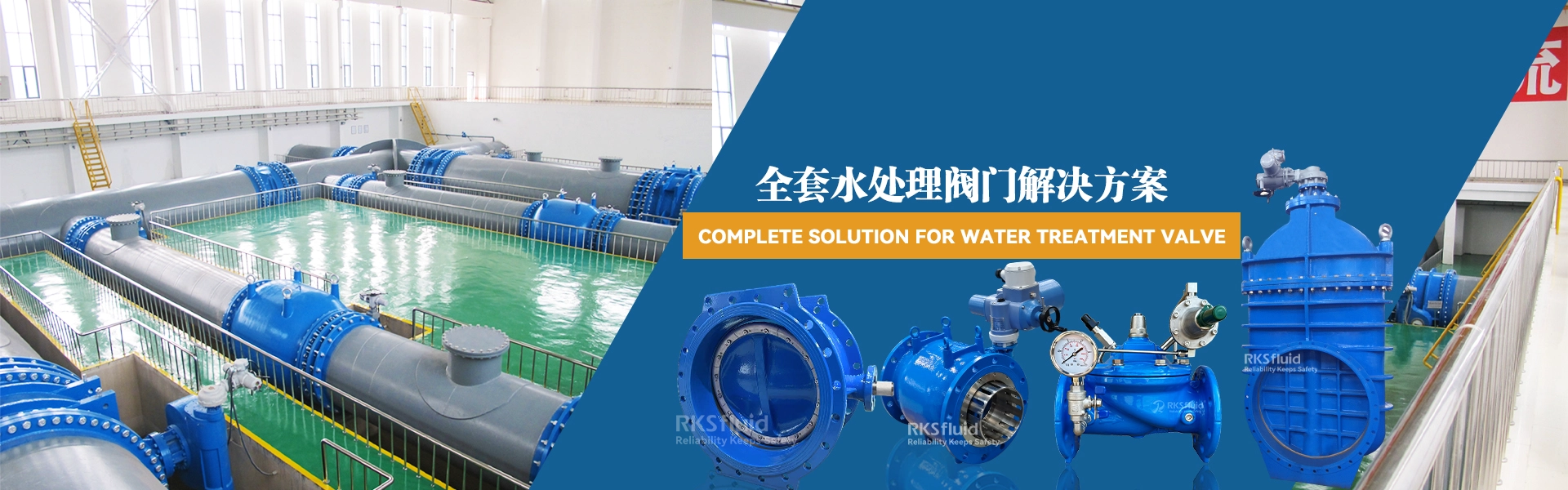
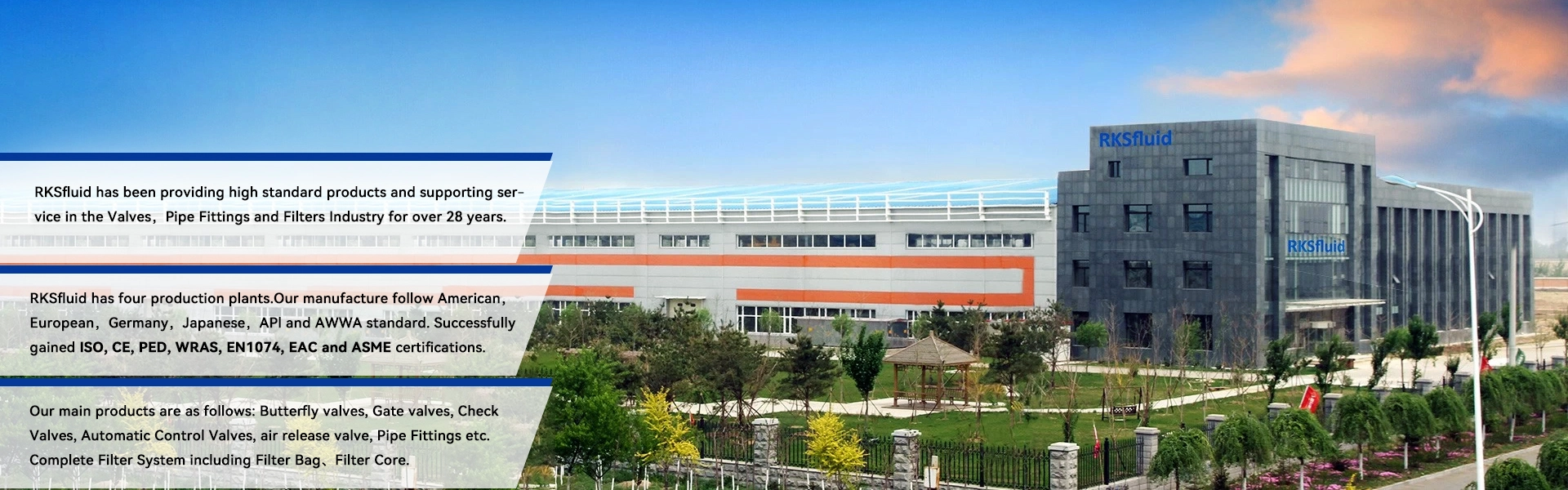
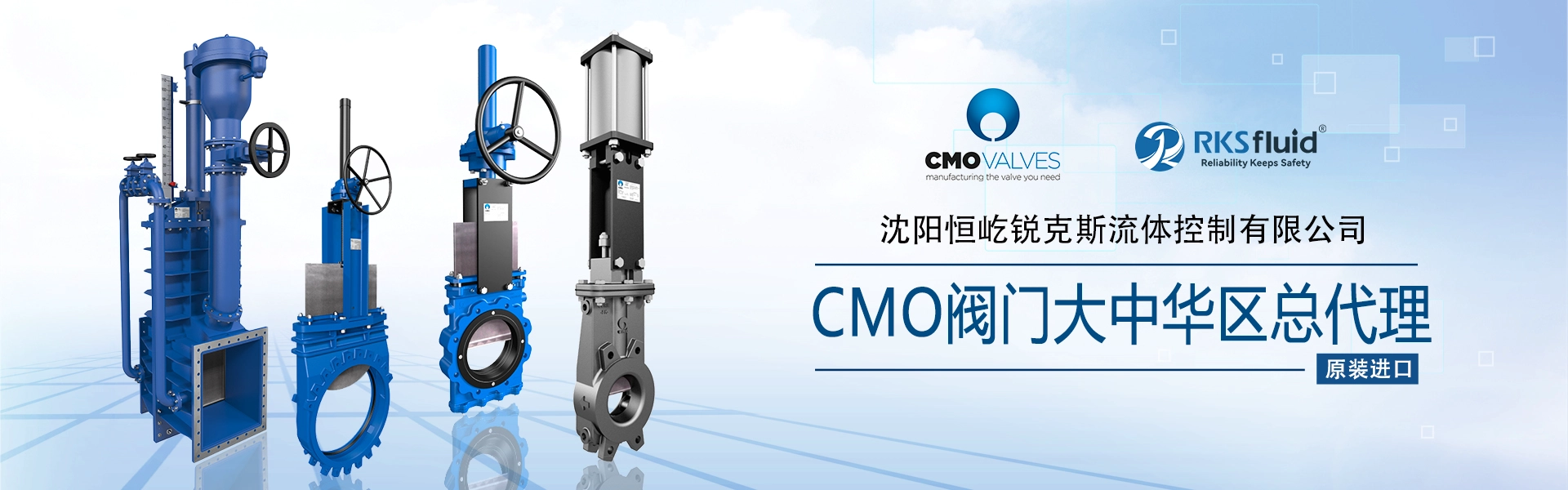





RKS fluid was founded in 1997. We are a production workshop for both foundry and machining, research & development center, and quality inspection cent...
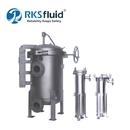
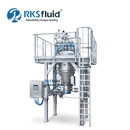
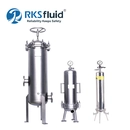
Series: Candle Filter Filter core length: 800~2500 Filter cylinder dimensions: 550~2200 Filter cake specification:15~60mm Filter core number: 7~205 Filter area: 0.9~144.8㎡ Application: Biopharmaceutical, Chemical Industry, Food and beverages, Metal processing
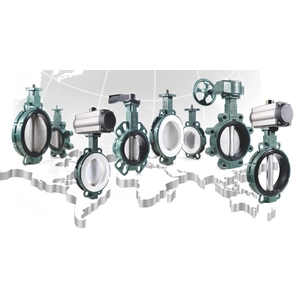
Butterfly valves have been around for a long time, and are used for a variety of applications. They made their first appearance during the 1930s, and have been utilized by several industries ever since. Often made out of cast iron, butterfly valve's name is based from the functionality of its disc.
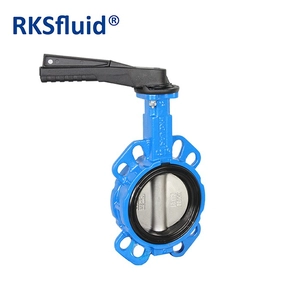
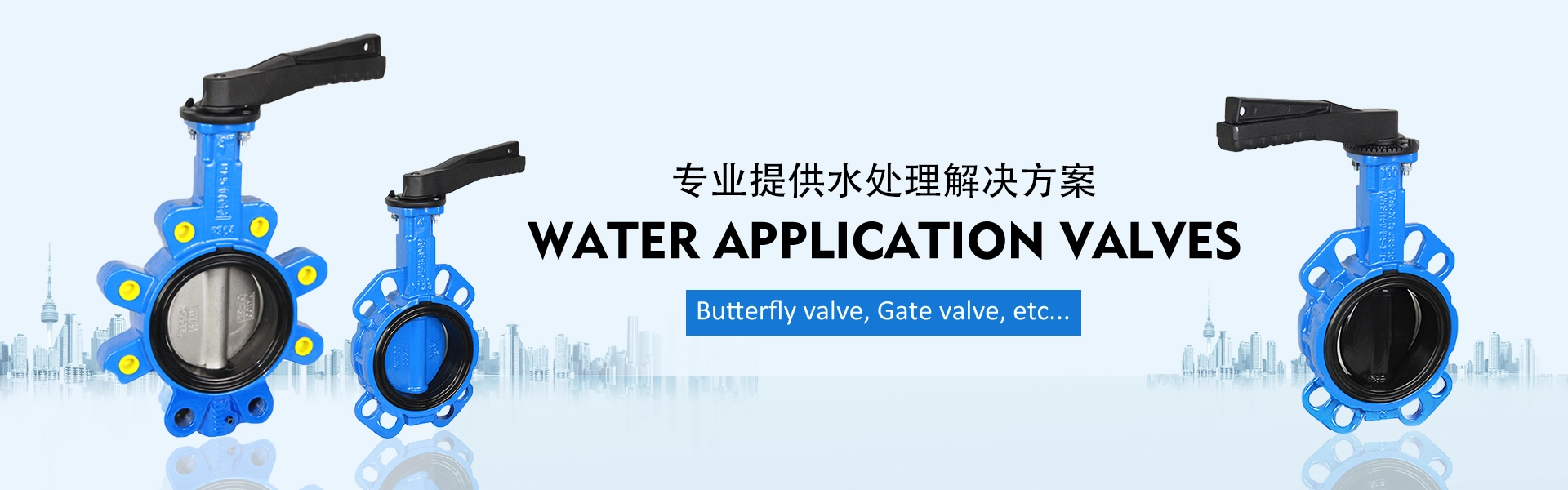
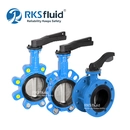
The wafer butterfly valve is one of the most common types of valves in industrial pipelines. The structure of wafer butterfly valve itself is relatively small. It is only necessary to put the butterfly valve in the middle of the flange at both ends of the pipe, and use the stud bolt to pass through the pipe flange and the pair.
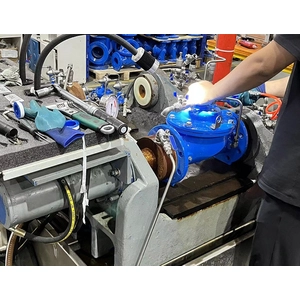
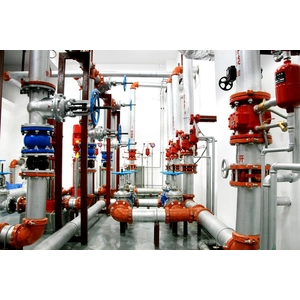
Valves are the most common equipment in chemical companies. It seems easy to install valves, but if they are not implemented in accordance with the re...
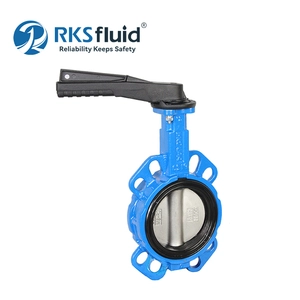
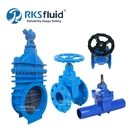
The manual valve is a valve operated by the handle and the hand wheel, and is a commonly used valve on the equipment pipeline.

DIN standard now uses EN standard structure length
EN 558-1 PN flange connection valve construction length (instead of DIN 3202), EN 558-2 CLASS flange connection valve construction length (instead of BS2080), EN 12982 butt weld end valve construction length (instead of DIN 3202), DIN standard The length of the structure including the length of the API valve is basically the same as the length of the GB...
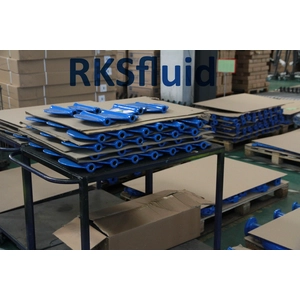
The butterfly valve disc is a key component of the butterfly valve, which acts on closing and opening and closing. Butterfly valve seat and butterfly ...
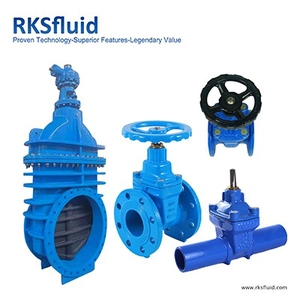
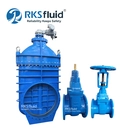
Resilient-seated gate valve with bolted cover connection; made of ductile iron materials and with epoxy coating, designed as both clockwise and anti-c...
What is Kieselguhr Filter? What's the working principle of Kieselguhr Filter? The kieselguhr filter (Candle filter / Cake Filter) which we for customized for fluorine chemical plant six more lithium fluoride phosphate phosphorus process have been installed and working for two years
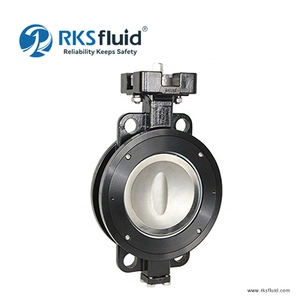
MINOTAUR series replaceable seat high performance butterfly valve
Large-Diameter Butterfly Valves in Water Infrastructure: Key Engineering Considerations
Large-diameter butterfly valves are widely used in water transmission pipelines, pumping stations, treatment plants and distribution networks. In these applications, valve selection involves more than nominal diameter and pressure rating. Engineers must also evaluate flow conditions, shut-off requirements, valve construction, operating torque, installation constraints and applicable standards.
For EPC contractors, water utilities and project procurement teams, these factors help determine whether a butterfly valve is suitable for the intended pipeline service.
1. Understanding the Role of Large-Diameter Butterfly Valves
Large-diameter butterfly valves provide a compact means of isolating flow in pipelines carrying raw water, treated water and other compatible fluids. Their quarter-turn operation and relatively compact construction make them practical for installations where space, operating arrangements and maintenance access must be considered.
Typical applications include:
The appropriate valve design depends on the operating conditions and project specifications. A valve selected for routine isolation may have different requirements from one expected to operate frequently or withstand a substantial differential pressure.
2. Double Eccentric Design and Operating Performance
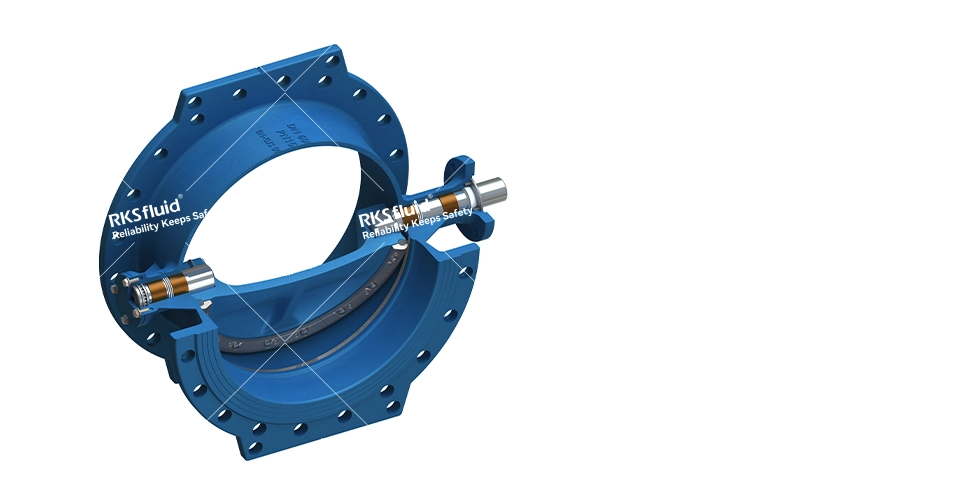
Double eccentric butterfly valves use an offset disc and shaft arrangement to reduce contact between the disc and seat during opening. This design can help reduce seat rubbing and operating torque compared with conventional concentric designs, depending on the valve construction and operating conditions.
For large-diameter water pipelines, the engineering benefits may include:
These features should be assessed as part of the complete valve assembly. Double eccentric geometry alone does not guarantee a particular leakage rate, service life or torque value; these depend on the specified design and verification requirements.
3. Key Parameters for Valve Selection
Before specifying a large-diameter butterfly valve, engineers should review the following parameters.
Nominal diameter and connection dimensions
The valve nominal diameter must match the pipeline design. Flange dimensions, pressure rating, face-to-face dimensions and installation clearances should also be verified against the applicable project specifications.
Pressure rating and differential pressure
The nominal pressure rating is only one part of the selection process. Engineers should consider normal operating pressure, maximum pressure, differential pressure across the closed valve and any relevant transient conditions.
Where pumps start or stop, or where rapid changes in flow may occur, surge and water-hammer conditions should be evaluated separately. The selected valve and actuator must be suitable for the specified operating envelope.
Flow conditions and head loss
Disc geometry and the valve's open position affect flow resistance. For applications involving frequent operation or flow regulation, engineers should assess the required flow capacity and operating range rather than relying solely on the nominal pipe size.
Where energy consumption is important, pressure loss across the valve should be evaluated using relevant manufacturer data and the project's hydraulic calculations.
Materials and water compatibility
Body, disc, shaft, seat and coating materials should be selected according to the fluid, temperature, pressure, corrosion exposure and applicable water-quality requirements.
For water applications, the project team should also verify any required potable-water approvals. Approval of an individual component should not automatically be interpreted as approval of the complete valve assembly.
Operation and maintenance
The operating arrangement should reflect the installation environment and maintenance strategy. Gearbox and handwheel operation may be appropriate for some installations, while electric actuation may be required for remote operation or integration with a control system.
Buried or submerged installations require particular attention to enclosure protection, access, actuator configuration and project-specific environmental requirements.
4. Applicable Standards: Verify the Requirements for Each Project
Standards provide a framework for defining valve design, assessment, marking, documentation and application-specific requirements. The applicable documents should be confirmed against the project specification and the standards edition required by the purchaser.
EN 593 covers metallic butterfly valves for industrial applications, including design and documentation requirements. The 2026 edition was published in September 2026, replacing the previous 2017 edition in the relevant national standards catalogues.
For water-supply applications, EN 1074-1 and EN 1074-2 should also be considered where applicable. EN 1074-2 addresses requirements specific to isolating valves for water supply. The relevant editions and contractual requirements should be checked during project design and procurement.
For projects specifying American Water Works Association standards, the applicable AWWA standard must be selected according to valve type, size, service conditions and project requirements. For example, AWWA C516 addresses large-diameter rubber-seated butterfly valves of 2,000 mm (78 in.) and larger. Its scope and specified service limits should be checked before applying it to a particular project.
Compliance should be confirmed through the manufacturer's technical documentation and the required inspection or testing records. A reference to a standard should not be treated as proof of certification or compliance unless the relevant product documentation supports that claim.
5. What Should EPC Contractors Include in an RFQ?
A complete technical inquiry helps the manufacturer evaluate the required configuration and identify any missing information before quotation.
For large-diameter butterfly valves, the RFQ should ideally include:
Where the specification is not yet finalized, the purchaser should identify the known operating conditions and outstanding requirements. This allows the manufacturer to clarify the proposed configuration before the technical and commercial offer is issued.
6. Selecting a Butterfly Valve for Water Infrastructure Projects
Selecting a suitable butterfly valve requires the combined evaluation of hydraulic conditions, pressure requirements, sealing performance, materials, actuation and applicable standards. For large-diameter pipelines, the operating arrangement and installation environment are also important to long-term maintainability.
RKSfluid supplies industrial butterfly valves for water and other specified pipeline applications. The ATHENA Series Double Eccentric Butterfly Valve is designed for project requirements involving double eccentric construction, flanged connections and different operating configurations.
The standard ATHENA configuration covers DN150–DN1800 and PN10, PN16 and PN25, with PN40 available on request, subject to the applicable design and configuration. Final selection should be confirmed against the project's technical datasheet, operating conditions and documentation requirements.
For a project-specific quotation, provide the required diameter, pressure rating, medium, connection standard, operating method and any applicable inspection or approval requirements.
Explore the ATHENA Series Double Eccentric Butterfly Valve: Contact RKSfluid with your project specifications to discuss the appropriate valve configuration for your application.