+86 138 8989 6699








Browse Categories
Main Product
-
-
-
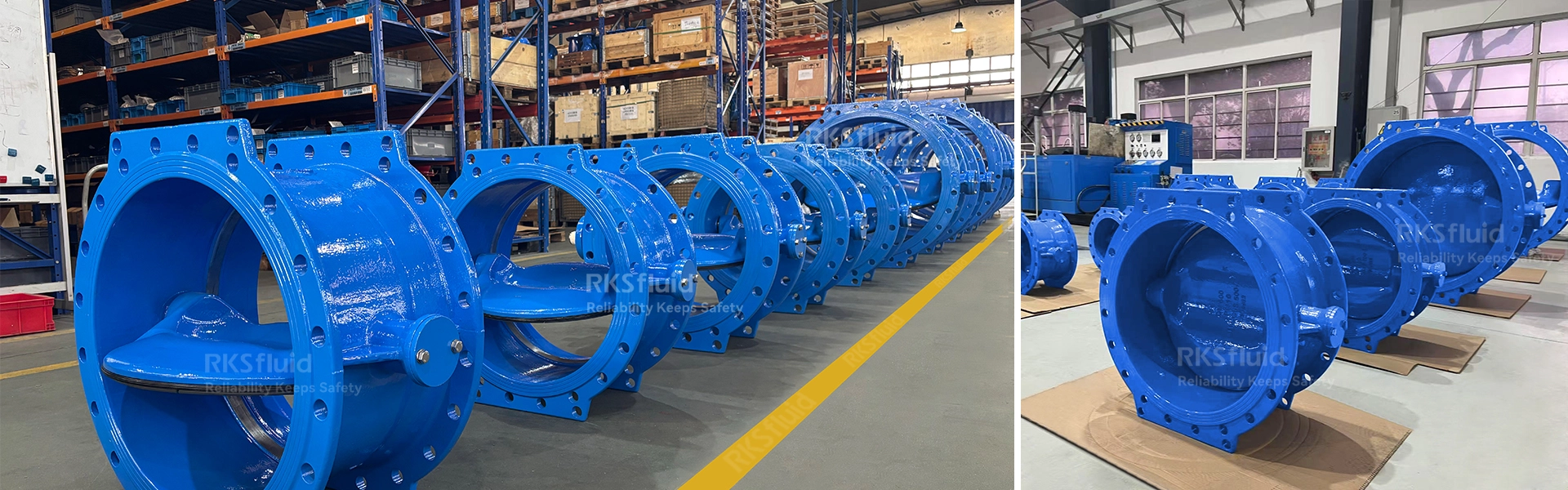
Double Eccentric Flange Butterfly Valve
ATHENA Series Double Eccentric Butterfly Valve DN150–DN1800 | RKSfluid
-
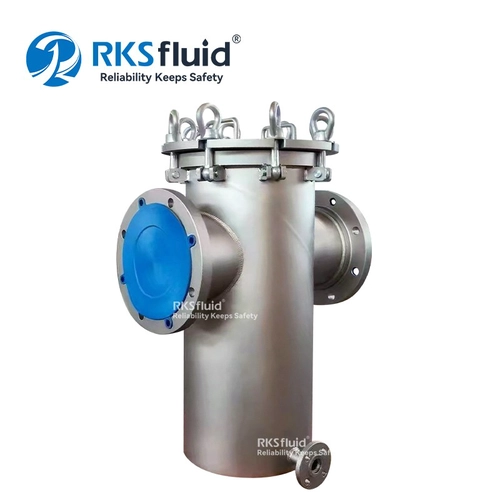
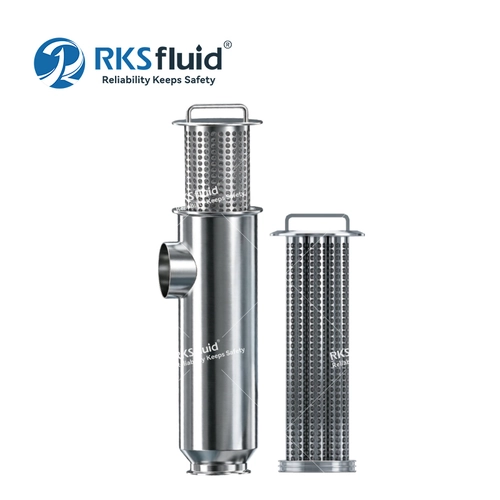
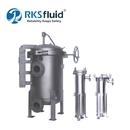
Industrial Stainless Steel Cartridge Filter Manufacturer
Type:Cartridge filter Material:SS304, SS316L Filtration Precision:0.1-20um Pressure:0.6Mpa, 1.0Mpa Filter core number:1~12 PC Filter element length: 2~40 inch Temperature:≦130℃ Application: Chemical industry. Water treatment, Papermaking, Automobile industry, petroleum, Machining, Coating, electronic etc.
-
-
-
-
-
-
-
-
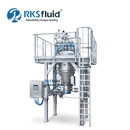
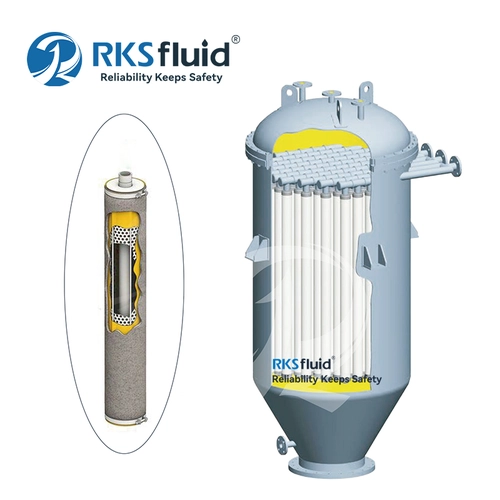
Stainless steel solid-liquid separation candle filter
Series: Candle Filter Filter core length: 800~2500 Filter cylinder dimensions: 550~2200 Filter cake specification:15~60mm Filter core number: 7~205 Filter area: 0.9~144.8㎡ Application: Biopharmaceutical, Chemical Industry, Food and beverages, Metal processing
News
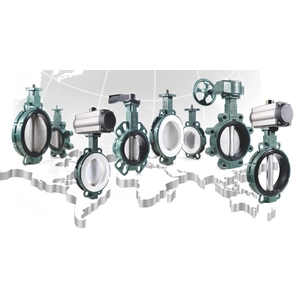
The Difference Between A Lug and Wafer Butterfly Valve
2019-02-12 16:59:28
Butterfly valves have been around for a long time, and are used for a variety of applications. They made their first appearance during the 1930s, and have been utilized by several industries ever since. Often made out of cast iron, butterfly valve's name is based from the functionality of its disc.
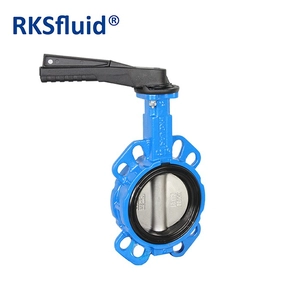
Wafer type butterfly valve installation instructions and steps
2019-01-03 16:27:13
The wafer butterfly valve is one of the most common types of valves in industrial pipelines. The structure of wafer butterfly valve itself is relatively small. It is only necessary to put the butterfly valve in the middle of the flange at both ends of the pipe, and use the stud bolt to pass through the pipe flange and the pair.
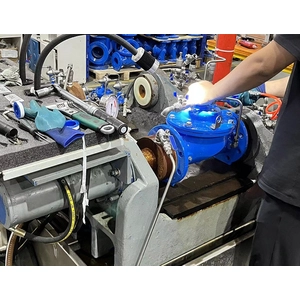
How Does a Pressure Reducing Valve (PRV) Work?
2024-10-15 16:58:28
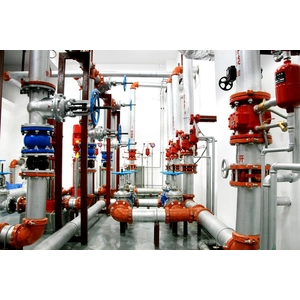
Twenty-five Taboos for Valve Installation
2019-09-06 10:23:57
Valves are the most common equipment in chemical companies. It seems easy to install valves, but if they are not implemented in accordance with the re...
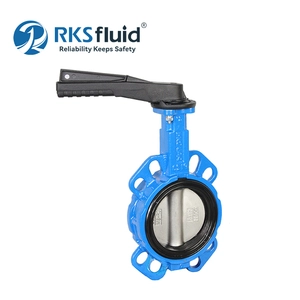
Manual valve operation method
2019-04-01 11:50:16
The manual valve is a valve operated by the handle and the hand wheel, and is a commonly used valve on the equipment pipeline.

Valve common standards and differences
2019-05-07 17:37:21
DIN standard now uses EN standard structure length
EN 558-1 PN flange connection valve construction length (instead of DIN 3202), EN 558-2 CLASS flange connection valve construction length (instead of BS2080), EN 12982 butt weld end valve construction length (instead of DIN 3202), DIN standard The length of the structure including the length of the API valve is basically the same as the length of the GB...
Butterfly Valve Seat & Seal Ring Replacement Method
2021-02-01 18:14:53
The butterfly valve disc is a key component of the butterfly valve, which acts on closing and opening and closing. Butterfly valve seat and butterfly ...
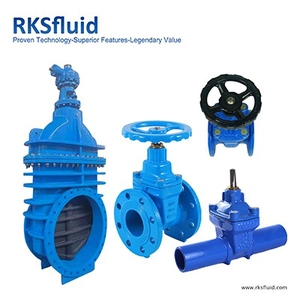
Resilient Seated Gate Valve
2022-10-17 16:09:38
Resilient-seated gate valve with bolted cover connection; made of ductile iron materials and with epoxy coating, designed as both clockwise and anti-c...
What's the working principle of Kieselguhr Filter?
2019-07-01 13:05:32
What is Kieselguhr Filter? What's the working principle of Kieselguhr Filter? The kieselguhr filter (Candle filter / Cake Filter) which we for customized for fluorine chemical plant six more lithium fluoride phosphate phosphorus process have been installed and working for two years
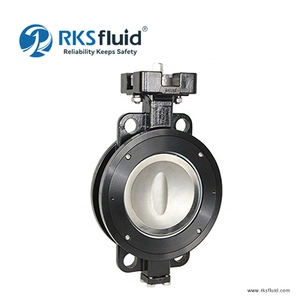
New designed PTFE RPTFE sealing replaceable seat high performance butterfly valve
2022-04-24 10:39:22
MINOTAUR series replaceable seat high performance butterfly valve
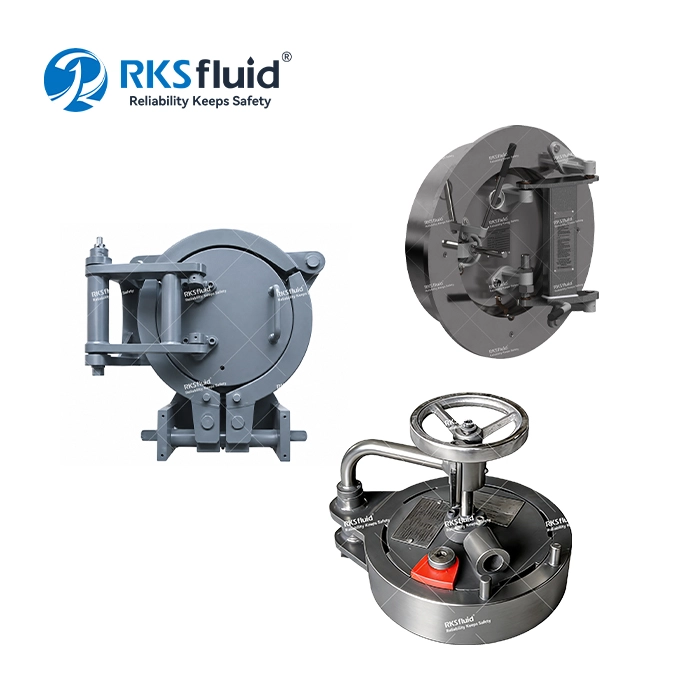
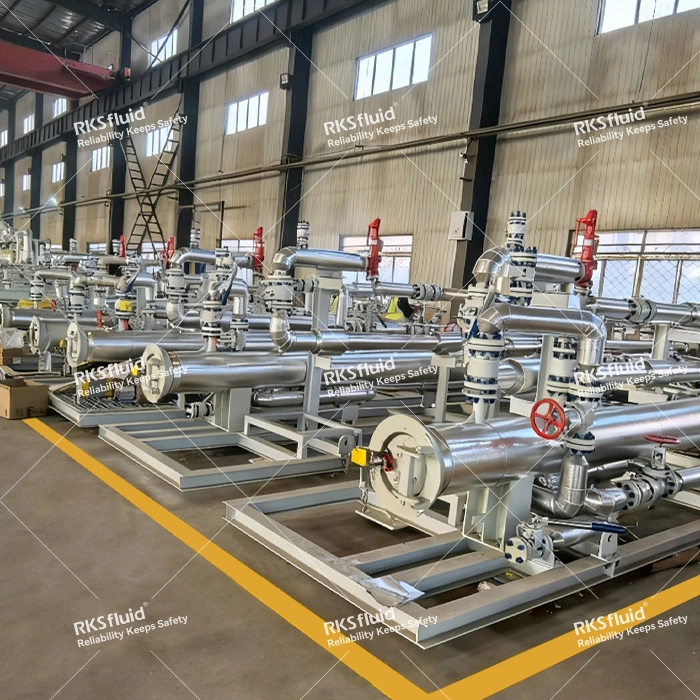
Pig Launcher Manufacturer for Oil & Gas Pipelines
- Equipment Type: Pig Launcher
- Nominal Diameter: DN150–DN2000
- Design Pressure: 1.6–16 MPa
- Test Pressure: 1.5 × Design Pressure (subject to applicable code and approved test procedure)
- Corrosion Allowance: Minimum 2 mm reference value
- Seismic Requirement: Seismic intensity 7° reference value, subject to project engineering confirmation
- Applicable Media:Crude oil, refined petroleum products (gasoline and diesel), natural gas and water
- Design Codes: ASME VIII-1, ASME B31.3, ASME B31.4 and ASME B31.8, as applicable
- Product Details
Pig Launcher for Oil & Gas Pipeline Systems
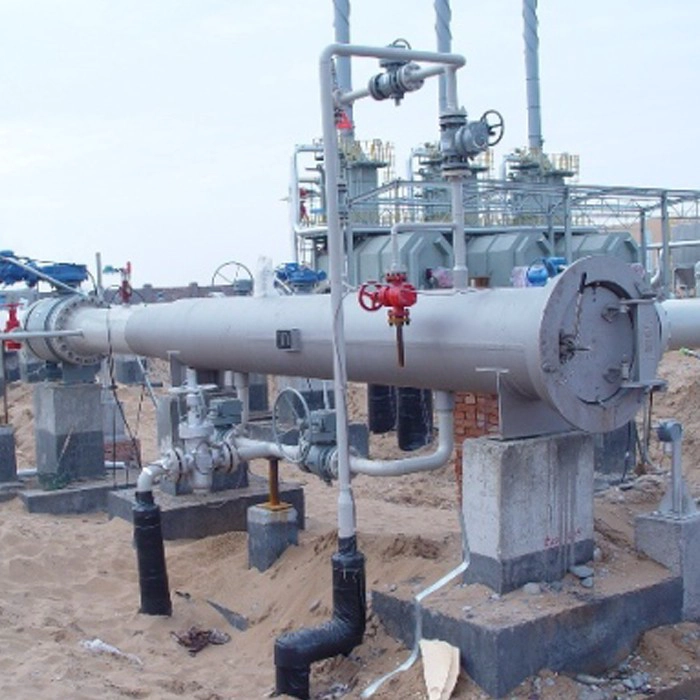
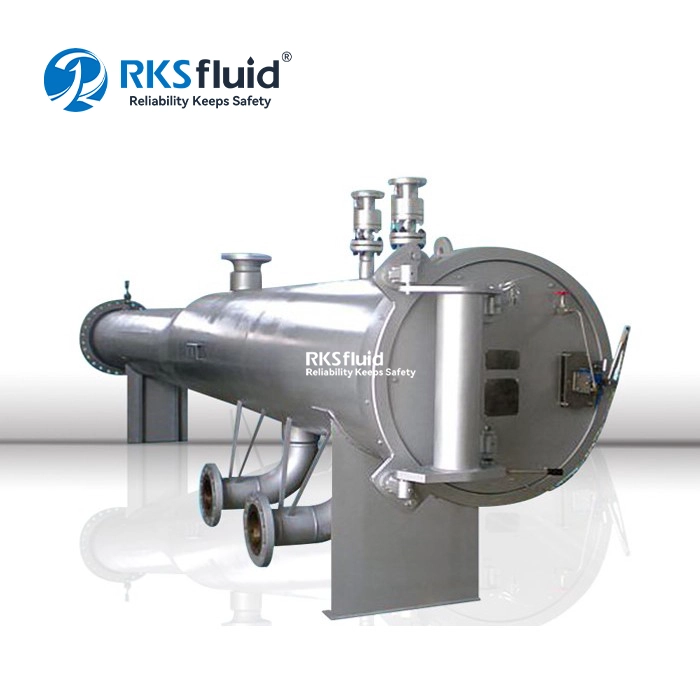
RKSfluid manufactures customized Pig Launchers for oil and gas transmission pipelines, gathering systems and industrial process pipelines. A Pig Launcher is installed at a designated pipeline station to introduce pipeline pigs into the line for cleaning, dewatering, inspection and maintenance operations.
Designed around pipeline operating conditions and project requirements, each Pig Launcher is configured with consideration for barrel dimensions, pig specifications, design pressure, fluid service, quick opening closure arrangement and pipeline connections.
RKSfluid provides project-based Pig Launcher engineering and manufacturing solutions for onshore and offshore pipeline applications.
1. Engineering Design and Manufacturing Range
RKSfluid Pig Launchers are configured according to the technical requirements of each pipeline project.
| Nominal Size | DN150-DN2000 |
| Design Pressure | 1.6-16MPa |
| Design Temperature | According to project requirements |
| Main Materials | Carbon steel, stainless steel and alloy steel |
| Installation | Horizontal, vertical or project-specific arrangement |
| Applicable Media | Crude oil, refined petroleum products, natural gas and water |
| Design Codes | ASME VIII-1, ASME B31.3, ASME B31.4 and ASME B31.8, as applicable |
The final design pressure, dimensions, material grades, wall thickness, connection details and fabrication requirements are determined by the approved technical specification and project design conditions.
2. Structure and Main Components
A Pig Launcher generally consists of a major barrel, minor barrel, reducer section, quick opening closure and associated pipeline connections. Its configuration is determined by the pipeline diameter, pig dimensions, operating conditions and installation arrangement.
Typical components include:
- Major Barrel: Provides the main chamber for accommodating the pipeline pig before launching.
- Minor Barrel: Connects the launcher assembly to the pipeline and accommodates the required pig launching arrangement.
- Reducer Section: Connects barrel sections of different diameters and provides the required transition.
- Quick Opening Closure (QOC): Provides access for pig loading, unloading and internal inspection.
- Vent and Drain Connections: Support pressure release, liquid drainage and maintenance procedures according to the approved operating design.
- Pipeline Connections and Flanges: Connect the launcher to the pipeline and associated station equipment.
- Instrumentation Connections: Accommodate pressure gauges, pig signalers and other specified instruments.
The detailed component arrangement, nozzle orientation, barrel length and closure configuration are finalized according to approved engineering drawings.
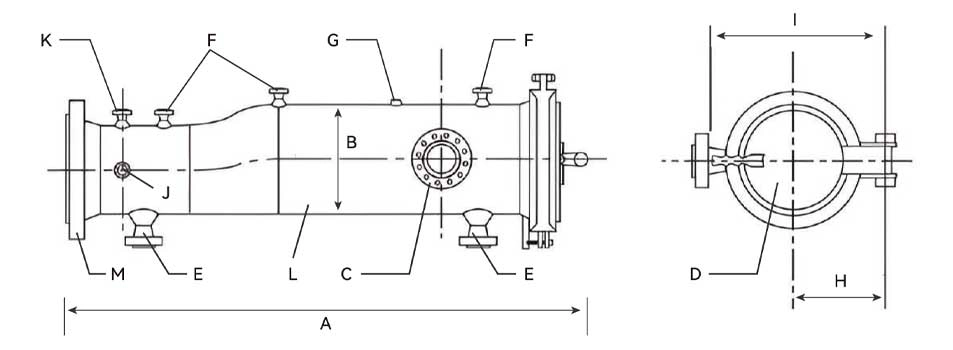
| Size | A | B | C | D | E | F | G | M | H | I | J | K |
| 6 | 226.20 | 10.75 | 2 | 10.75 | 2 | 1 | 1 | 6 | 7.37 | 17.00 | 2 | 2 |
| 8 | 256.20 | 12.75 | 2 | 12.75 | 2 | 1 | 1 | 8 | 8.50 | 19.00 | 2 | 2 |
| 10 | 245.64 | 16.00 | 3 | 16.00 | 3 | 1 | 1 | 10 | 9.68 | 21.25 | 2 | 2 |
| 12 | 230.52 | 16.00 | 4 | 16.00 | 4 | 1 | 1 | 12 | 10.87 | 24.75 | 2 | 2 |
| 14 | 243.24 | 20.00 | 4 | 20.00 | 4 | 1 | 1 | 14 | 11.56 | 26.00 | 2 | 2 |
| 16 | 209.76 | 20.00 | 6 | 20.00 | 6 | 2 | 1 | 16 | 13.75 | 33.75 | 2 | 2 |
| 18 | 221.52 | 24.00 | 6 | 24.00 | 6 | 2 | 1 | 18 | 14.68 | 34.75 | 2 | 2 |
| 20 | 222.36 | 24.00 | 6 | 24.00 | 6 | 2 | 1 | 20 | 15.81 | 36.25 | 2 | 2 |
| 24 | 283.44 | 30.00 | 8 | 30.00 | 8 | 2 | 1 | 24 | 18.12 | 42.75 | 2 | 2 |
| 26 | 286.20 | 30.00 | 8 | 30.00 | 8 | 2 | 1 | 26 | 20.00 | 44.81 | 2 | 2 |
| 28 | 287.04 | 24.00 | 10 | 24.00 | 10 | 2 | 1 | 28 | 21.12 | 46.25 | 2 | 2 |
| 30 | 288.00 | 36.00 | 10 | 36.00 | 10 | 2 | 1 | 30 | 22.31 | 47.81 | 2 | 2 |
| 36 | 315.96 | 40.00 | 12 | 4000 | 12 | 4 | 1 | 36 | 25.56 | 67.00 | 2 | 2 |
NOTE: Dimensions are approximate. For other custom designs, specifications, pressure ratings, features, and sizes, please contact us.
3. Design Considerations and Configuration
Pig Launcher design requires coordination between the pipeline system, pig specifications and operating procedures.
Key engineering considerations include:
Pig Dimensions and Barrel Length
The internal diameter and effective barrel length must accommodate the intended pig dimensions and loading arrangement. For intelligent inspection pigs, overall length, handling clearance and equipment access should be considered during design.
Design Pressure and Operating Conditions
Design pressure, operating pressure, temperature and fluid service determine the pressure-containing design requirements and material selection. Final parameters are established in accordance with the applicable design code and project specification.
Quick Opening Closure Arrangement
The closure type, opening direction, locking mechanism and safety interlock arrangement should be selected according to the equipment design and operating requirements. The closure must be compatible with the barrel dimensions and specified pressure rating.
Pipeline Connections and Installation
Flange standards, nozzle positions, vent and drain connections, supports and installation orientation should be coordinated with the station layout and pipeline design.
Pigging System Compatibility
The launcher configuration should be checked against the intended pig type and the complete pigging procedure. Foam, cup, brush and intelligent inspection pigs may be considered, subject to dimensional and operational compatibility.
4.Typical Applications
RKSfluid Pig Launchers are used in pipeline systems where controlled pig introduction is required for cleaning, dewatering, inspection and maintenance.
Typical applications include:
- Oil and gas transmission pipelines
- Natural gas gathering and trunk pipelines
- Crude oil and refined petroleum transportation systems
- Compressor and metering stations
- Oil and gas terminals and storage facilities
- Onshore and offshore pipeline systems
- Industrial process pipelines
The final equipment configuration depends on pipeline service conditions, pigging frequency, pipeline layout and project operating procedures.
5. Information Required for Pig Launcher Quotation
To prepare a technical proposal and quotation, please provide the following information where available:
- Pipeline nominal diameter and wall thickness
- Design pressure and operating pressure
- Design temperature and operating temperature
- Fluid composition and service conditions
- Pig type, dimensions and maximum length
- Required barrel dimensions and installation arrangement
- Quick opening closure requirements
- Applicable design code and edition
- Material and corrosion requirements
- Inspection, testing and documentation requirements
- ASME U Stamp requirement, if specified by the project
- Quantity, delivery destination and required delivery schedule
RKSfluid will review the submitted technical information to clarify the equipment configuration, applicable design requirements and manufacturing scope.
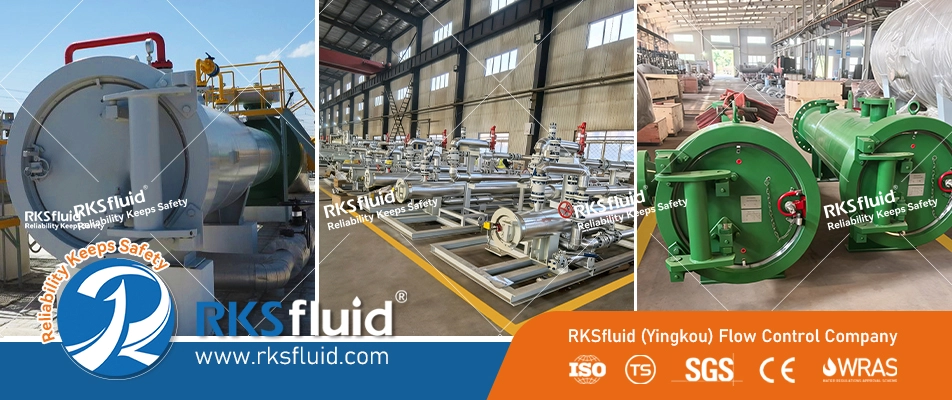
Contact RKSfluid for a Customized Pig Launcher Solution
Send your project datasheet, technical specification or RFQ documents to discuss Pig Launcher design, manufacturing configuration, ASME code requirements and inspection scope with the RKSfluid team.
FAQs
RKSfluid Pig Launchers can be designed according to ASME BPVC Section VIII Division 1 and applicable ASME B31 codes, including B31.3, B31.4 and B31.8, depending on the equipment scope and project requirements.
Yes. RKSfluid can supply Pig Launchers with ASME U Stamp certification for projects requiring compliance with ASME BPVC Section VIII Division 1, subject to the applicable manufacturing and certification scope.
The reference range is DN150–DN2000, with design pressures from 1.6 to 16 MPa. Customized dimensions and pressure ratings can be reviewed according to project specifications.
Barrel length is determined by pipeline diameter, pig dimensions, pig type and loading requirements. Intelligent pigging applications may require additional length and handling clearance.
Pig Launchers can be configured with suitable quick opening closures, including Bandlock, Clamped and Inserted types. Selection depends on nominal diameter, design pressure, operating conditions and project requirements.
Carbon steel, stainless steel and alloy steel can be considered. Final material grades are selected according to design conditions, fluid properties, corrosion requirements and project specifications.
Inspection may include material verification, dimensional inspection, welding examination, non-destructive testing, pressure testing and final inspection. The scope is determined by the applicable ASME code and approved project ITP.
Please provide pipeline diameter, design pressure, operating temperature, fluid medium, pig dimensions, applicable design code, material requirements, closure configuration and inspection requirements. Drawings or project datasheets are helpful for technical evaluation.

Send Us An Inquiry
RELATED PRODUCTS
High-quality valves and filtration products with strict quality control is our commitment.