Why Leakage in Butterfly Valves Is a Critical Engineering Issue
In water transmission and distribution systems, valve leakage is not simply a minor defect — it directly impacts system reliability and operating cost.
In projects, leakage issues often lead to:
- Pressure loss and reduced system efficiency
- Increased pump energy consumption
- Risk of contamination in potable water systems
- Unexpected maintenance and shutdown
In practice, leakage is one of the most frequent issues encountered after commissioning.
Types of Leakage in Butterfly Valves
Understanding the leakage type is the first step in troubleshooting.
Internal Leakage (Seat Leakage)
Occurs when the valve is fully closed but fluid still passes through the sealing interface.
Most critical in water supply and pipeline isolation systems
External Leakage
Occurs outside the valve body, typically from:
- Stem sealing area
- Flange connections
- Body joints
Usually easier to detect and fix
Common Causes of Internal Leakage
1. Debris Damage to Valve Seat
Cause:
Welding slag left in pipeline
Sand, rust or particles
No proper pipeline flushing before installation
Engineering impact:
Scratching of sealing surface
Permanent leakage path
2. Incorrect Installation Alignment
Cause:
Misaligned flanges
Uneven bolt tightening
Result:
Disc cannot fully contact the seat
Non-uniform sealing pressure
3. Incorrect Valve Selection
Cause:
Using concentric butterfly valve in large diameter or high-cycle systems
Inappropriate seat material
Result:
Accelerated wear
Reduced sealing performance
4. Excessive Differential Pressure
Cause:
Valve used beyond design conditions
Incorrect system pressure assumptions
Result:
Seat deformation
Leakage under load
5. Wear Due to Frequent Operation
Cause:
High opening/closing frequency
High friction seat design
Result:
Gradual degradation of sealing performance
Common Causes of External Leakage
1. Stem Seal Failure
Cause:
Packing wear or aging
Lack of periodic inspection
2. Flange Leakage
Cause:
Improper gasket installation
Uneven tightening torque
3. Coating Damage and Corrosion
Cause:
Insufficient coating thickness
Aggressive environment (e.g. coastal or saline water)
How to Prevent Leakage in Engineering Projects
In most cases, leakage is not caused by product defects, but by selection and installation issues.
1. Ensure Proper Pipeline Cleaning
- Flush pipeline before installation
- Remove welding residues and debris
This is one of the most effective preventive measures
2. Follow Correct Installation Procedures
- Align flanges properly
- Tighten bolts in cross sequence
- Avoid excessive mechanical stress
3. Select the Right Valve Design
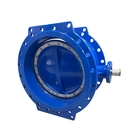
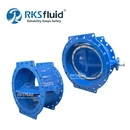
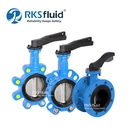
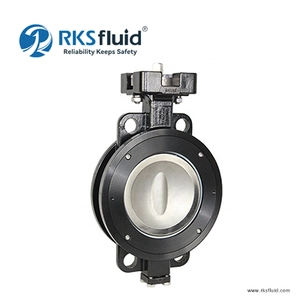
For large diameter water pipelines: Double eccentric butterfly valves are preferred because:
- Reduced friction between disc and seat
- Lower wear rate
- More stable sealing over time
4. Choose Appropriate Seat Configuration
- Standard water systems → epoxy-coated seat
- Demanding environments → welded stainless steel seat
This directly affects long-term sealing performance
5. Consider Installation Environment
For buried or submerged applications:
- Use gearboxes with IP68 protection
- Ensure long-term sealing integrity
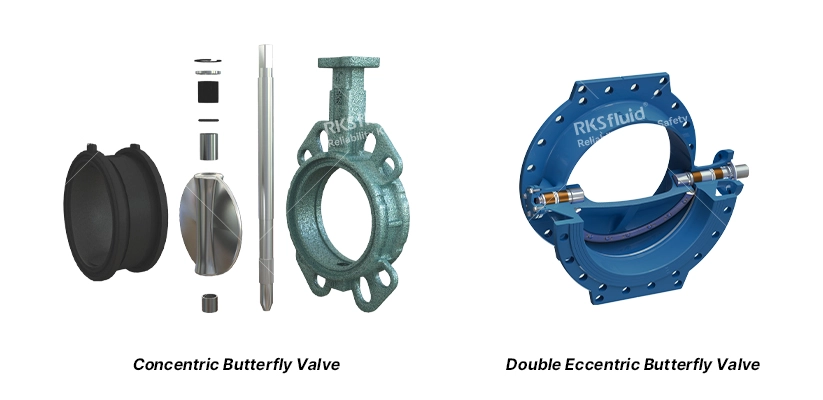
Why Double Eccentric Butterfly Valves Reduce Leakage Risk
Compared to concentric butterfly valves:
- The disc moves away from the seat during opening
- Reduced friction and mechanical wear
- Improved sealing geometry over time
This makes them suitable for: Municipal water systems, Pump stations, Large diameter transmission pipelines
Engineering Note
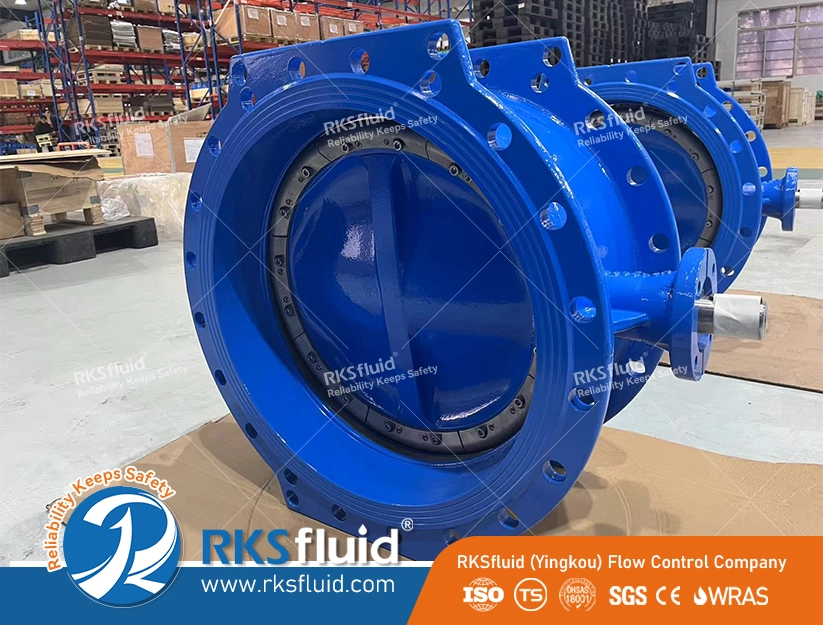
For example, ATHENA double eccentric butterfly valves are designed with optional welded stainless steel seats and IP68-rated gearboxes, helping ensure stable sealing performance and reliable operation in demanding water infrastructure projects.
Field Troubleshooting Checklist
When leakage occurs, engineers should check:
- Is the valve fully closed under operating pressure?
- Is there debris in the sealing area?
- Are flanges correctly aligned?
- Is the seat worn or damaged?
- Is actuator torque sufficient for full closure?
In many cases, leakage is related to installation or operation rather than valve defects.
Repair or Replace: How to Decide
Replacement is recommended when:
- Seat damage is severe
- Leakage persists after maintenance
- Valve has exceeded service life
In such cases, upgrading to a double eccentric design can significantly improve system reliability.
Need Support for Leakage Troubleshooting or Valve Selection?
If you are experiencing leakage issues in your project:
Send us your project details:
- Valve size (DN)
- Pressure / differential pressure
- Medium
- Installation type
- Description of leakage problem
Our engineering team will provide:
- Root cause analysis
- Valve selection recommendation
- Technical datasheet for ATHENA double eccentric butterfly valves
Our engineers will respond within 24 hours with project-specific recommendations.
Leakage is not just a valve issue — it is a system engineering issue.
Correct selection, proper installation, and suitable valve design are essential to ensure long-term performance in pipeline systems.
 +86 138 8989 6699