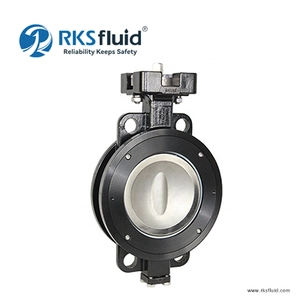
Avoid costly failures in large diameter pipeline projects. Learn the most common butterfly valve installation mistakes and how to ensure reliable long-term operation.
Why Installation Quality Matters More Than Valve Design?
In large diameter water pipeline projects, butterfly valve performance is not determined by design alone.
In many EPC projects, valves that meet all technical specifications still experience:
- Leakage after commissioning
- Difficulty in operation
- Premature wear of sealing components
In most cases, these issues are not caused by manufacturing defects, but by installation mistakes on site.
For DN500–DN2000 pipelines, installation errors can directly affect:
- Sealing performance
- Operating torque
- Service life of the valve
Typical Installation Challenges in Large Diameter Pipelines
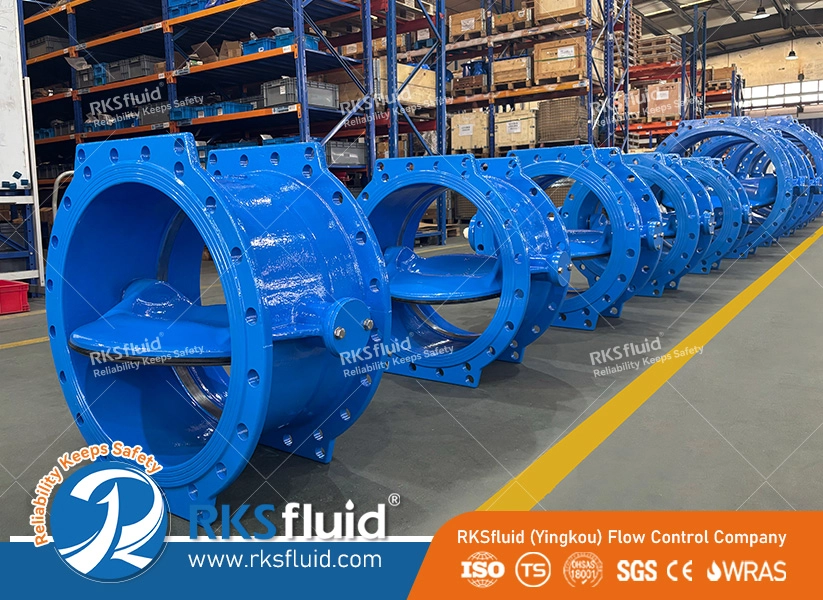
Installing butterfly valves in large pipelines is fundamentally different from small-size applications. Key challenges include:
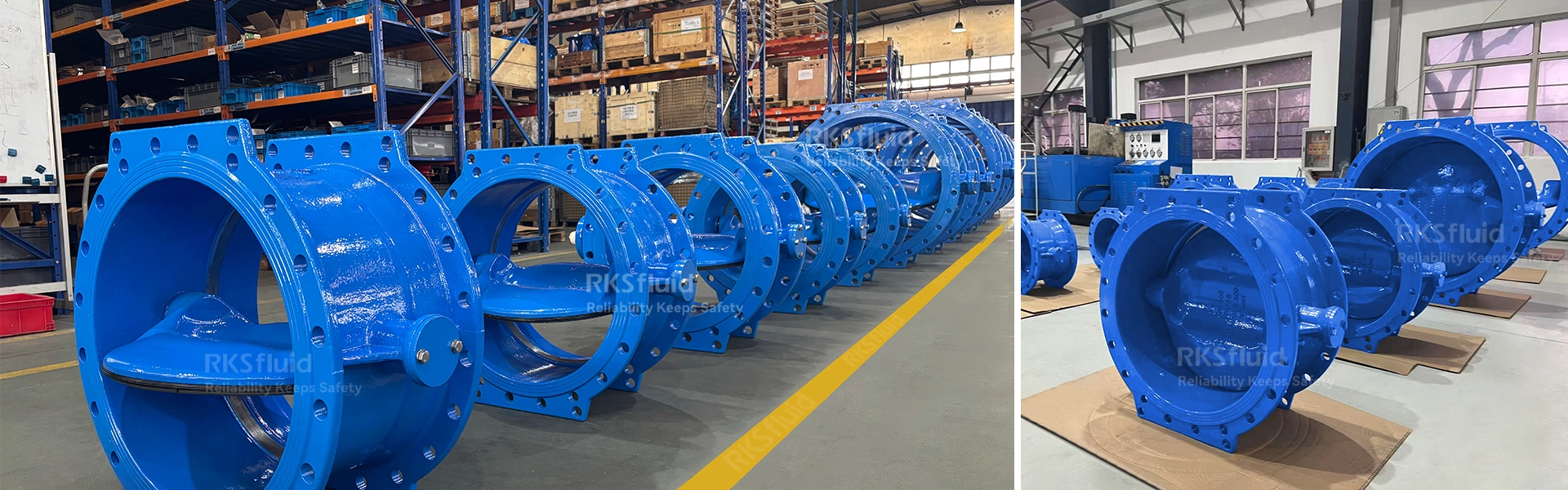
- Heavy valve weight requiring proper lifting support
- Difficulty in achieving precise flange alignment
- High bolt loads due to large flange diameters
- Risk of pipe stress transferred to valve body
These factors make correct installation procedures critical.
Common Installation Mistakes (and Their Consequences)
Mistake 1: Pipeline Not Properly Cleaned Before Installation
What happens:
Welding slag, sand, or debris remains in the pipeline
Result:
Damage to valve seat during first operation
Immediate or early-stage leakage
*This is one of the most frequent causes of sealing failure. Many leakage problems after installation are caused by these issues, More information you can refer to our guide on butterfly valve leakage problems and solutions.
Mistake2: Flange Misalignment
What happens:
Pipe flanges are not parallel
Valve is forced into position
Result:
Uneven sealing pressure
Disc cannot fully contact seat
Increased operating torque
In large diameter pipelines (DN800+), even small flange deviations can significantly increase torque and cause sealing failure.
Mistake 3: Incorrect Bolt Tightening Sequence
What happens:
Bolts tightened unevenly or sequentially
Result:
Distortion of valve body or seat
Localized leakage points
*Bolts should always be tightened in a cross pattern.
Mistake 4: Installing Valve in Closed Position During Mounting
What happens:
Valve is fully closed when flanges are tightened
Result:
Seat compression damage
Increased friction and wear
*Best practice: install valve in slightly open position.
Mistake 5: Lack of Proper Support During Installation
What happens:
Valve weight is supported only by pipeline
Result:
Mechanical stress on valve body
Long-term deformation
Mistake 6: Incorrect Flow Direction Installation (If applicable for certain designs)
What happens:
Valve installed opposite to recommended direction
Result:
Reduced sealing performance
Higher wear rate
Mistake 7: No Functional Testing After Installation
What happens:
Valve not tested before commissioning
Result:
Hidden issues remain undetected
Failure during operation
Best Practices for Reliable Installation
To ensure long-term performance, the following practices are recommended:
1. Pipeline Flushing Before Installation, Remove all debris and welding residue, Ensure clean sealing environment
2. Accurate Flange Alignment, Use alignment tools if necessary, Never force the valve into position
3. Controlled Bolt Tightening, Tighten in cross pattern, Apply uniform torque
4. Install Valve in Slightly Open Position, Prevent seat damage, Ensure proper disc positioning
5. Provide Temporary or Permanent Supports, Especially for DN500+ valves, avoid transferring pipe stress to valve
6. Perform Operational Testing, Open/close cycle test, Check sealing performance under pressure
Why Valve Design Still Matters During Installation
Even with correct installation, valve design plays a role in how tolerant it is to real-world conditions.
For example: Double eccentric butterfly valves reduce seat friction during operation, lower risk of sealing damage during installation and operation
* This makes them more suitable for large diameter water pipelines compared to concentric designs.
Installation Checklist for Site Engineers
Before commissioning, engineers should verify:
- Pipeline is clean and flushed
- Flanges are properly aligned
- Bolts are evenly tightened
- Valve operates smoothly
- No abnormal torque during operation
- No visible leakage
*A simple checklist can prevent most installation-related failures.
Need Installation Support or Valve Selection Advice?
If you are working on a large diameter pipeline project:
Send us your project parameters (DN, pressure, installation conditions), and our engineering team will provide:
– Torque calculation
– Installation recommendations
– Valve selection support
This helps avoid leakage, oversizing and costly installation failures.
 +86 138 8989 6699