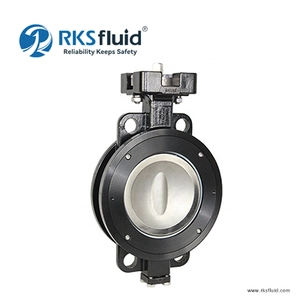
Learn how to calculate butterfly valve torque for proper actuator selection in large diameter water pipelines. Practical guide for EPC engineers and project procurement.
Why Torque Calculation Matters in Butterfly Valve Selection
In large diameter pipeline projects, valve selection is not only about size and pressure rating. One of the most critical but often underestimated factors is operating torque.
Incorrect torque estimation can lead to:
- Oversized actuators → unnecessary cost increase
- Undersized actuators → valve cannot open/close properly
- Premature actuator failure
- Operational risk in critical systems
For EPC contractors and engineers, torque calculation is directly linked to reliability and project cost control.
What Determines Butterfly Valve Torque?
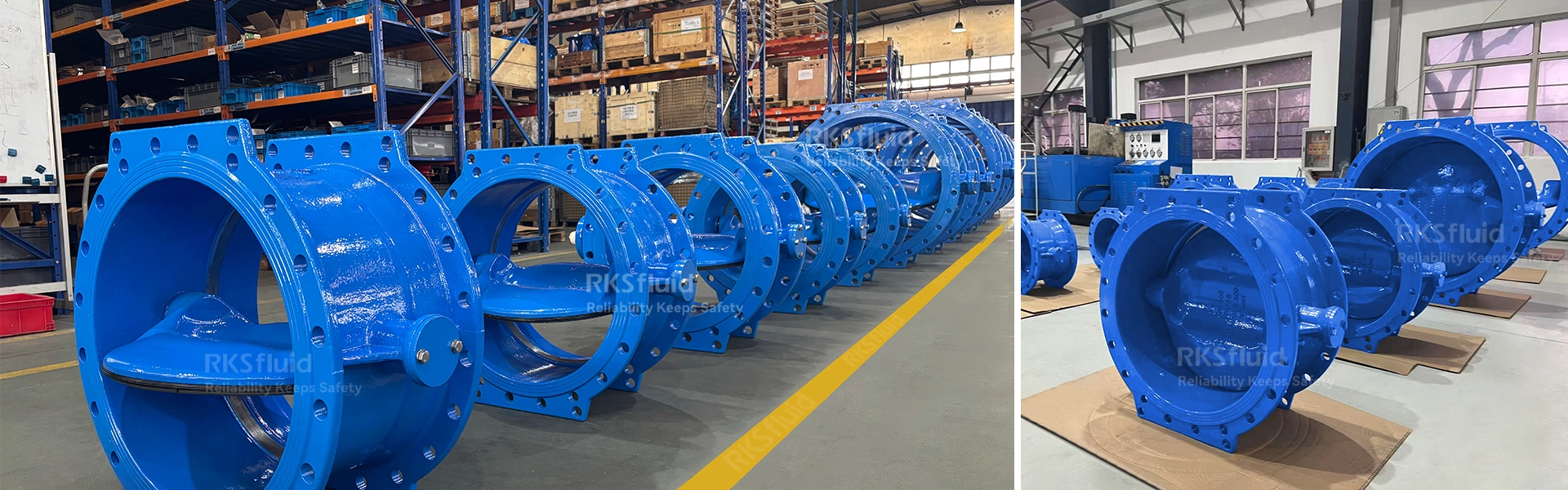
The operating torque of a double eccentric butterfly valve is influenced by several key factors:
1. Valve Size (DN)
Torque increases significantly with diameter, DN200 vs DN1200 → torque difference can be several times higher
Large diameter valves require gearbox or motorized operation
2. Working Pressure (PN)
Higher pressure results in higher sealing force and resistance, PN10 vs PN25 → torque increase is substantial
Shut-off torque is highest under full differential pressure
3. Seat Design & Material
Different seat configurations generate different friction:
- Soft seat (EPDM/NBR) → lower torque
- Metal or reinforced seat → higher torque
- Welded stainless steel seat → more stable but slightly higher resistance
4. Valve Design (Concentric vs Double Eccentric)
Double eccentric design significantly reduces torque because:
- The disc moves away from the seat during opening
- Friction is minimized after initial movement
This is why double eccentric valves are widely used in large water pipelines.
5. Operating Conditions
- Frequency of operation
- Presence of sediments or debris
- Installation position (horizontal/vertical)
Basic Torque Components
In practical engineering, torque is typically divided into:
- Seating Torque: Torque required to achieve tight shut-off
- Unseating Torque: Initial torque needed to break the seal
- Dynamic Torque: Torque during movement (lower than seating torque)
Important: For actuator selection, engineers usually consider: Maximum torque = Safety factor × Seating torque
Torque values should be verified under EN1074 operating conditions and maximum differential pressure.
Simplified Torque Estimation Method
While precise torque values should always be provided by the manufacturer, a simplified estimation approach can be used during early-stage design.
Step 1: Identify Key Parameters
Valve size (DN)
Pressure rating (PN)
Seat type
Application (on/off or throttling)
Step 2: Use Reference Torque Data
Typical trend: Torque increases exponentially with diameter, Torque increases linearly with pressure.
Example (indicative values for preliminary estimation only):
| DN |
Typical Torque Range (PN16, soft-seated, clean water) |
| DN200 |
150 – 300 Nm |
| DN600 |
800 – 1500 Nm |
| DN1200 |
4000 – 8000 Nm |
Note:
Torque values may vary significantly depending on valve design, seat type, differential pressure and manufacturer.
Final actuator selection must be based on confirmed torque data provided by the valve supplier.
For accurate torque values under specific pressure and seat configurations, refer to our ATHENA double eccentric butterfly valve technical specifications or contact our engineering team.
Step 3: Apply Safety Factor
Recommended:
Manual operation → 1.2 – 1.5
Electric actuator → 1.3 – 1.5
Critical systems → up to 2.0
Actuator Selection Based on Torque
Once torque is estimated, actuator selection becomes straightforward.
1. Gearbox (Manual Operation)
Used for: DN ≥ 300, Low-frequency operation
Key considerations:
Gear ratio
Ease of operation
Environmental protection (IP rating)
2. Electric Actuator
Used for: Remote control, SCADA systems, Pump stations
Selection parameters:
Output torque ≥ required torque
IP rating (IP67 / IP68 for buried or submerged service)
Power supply availability
3. Pneumatic Actuator
Used for:
Fast operation
Industrial systems
Common Mistakes in Torque Selection
❌ Undersizing the actuator
Valve cannot fully close under pressure
❌ Ignoring differential pressure
Torque underestimated in real operation
❌ Not considering safety factor
High failure risk
❌ Using generic values instead of manufacturer data
Mismatch between valve and actuator
Practical Recommendation for Projects
For large diameter water pipeline systems:
Always request torque data from the valve manufacturer
Confirm torque under maximum differential pressure
Select actuator with appropriate safety margin
Consider installation conditions (buried, submerged → IP68 required)
Why Double Eccentric Butterfly Valves Are Preferred
Compared to concentric valves:
- Lower operating torque
- Reduced seat wear
- Better suitability for automation
This makes them the standard choice for:
Municipal water systems
Pump stations
Large transmission pipelines
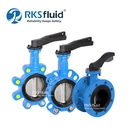
For example, ATHENA double eccentric butterfly valves are designed with optional welded stainless steel seats and IP68-rated gearboxes, making them suitable for demanding water infrastructure projects.
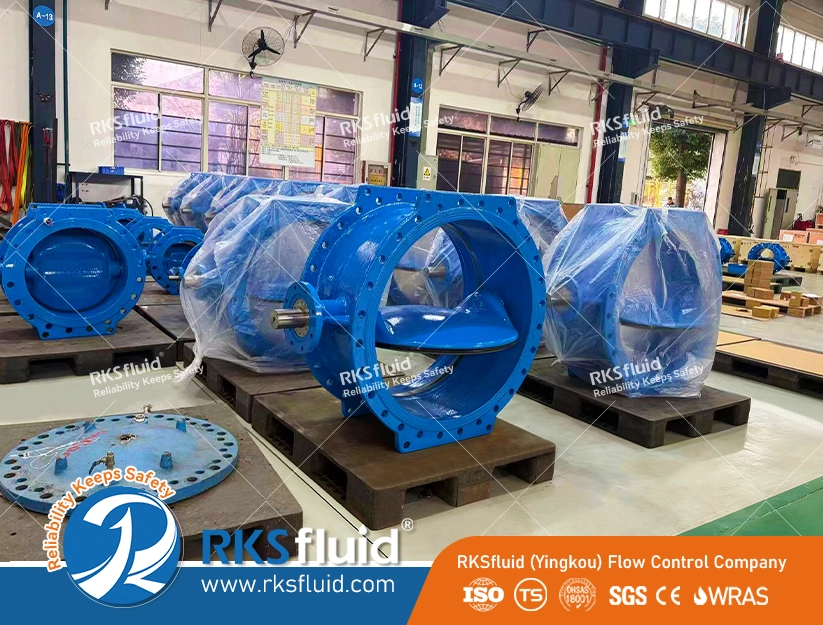
Need Help with Valve & Actuator Selection?
If you are working on a water pipeline or pump station project, selecting the correct torque and actuator is critical.
Send us your project parameters (DN, pressure, medium, installation conditions), and our engineering team will provide:
– Accurate torque calculation
– Actuator sizing recommendation
– Technical datasheet for ATHENA double eccentric butterfly valves
This ensures reliable operation and avoids costly oversizing or failure risks.
 +86 138 8989 6699