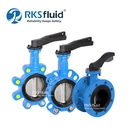
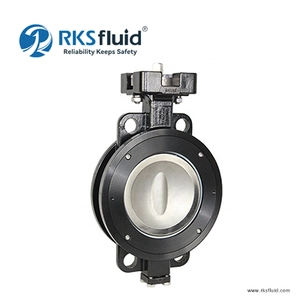
In large-scale water infrastructure projects, selecting the right isolation valve is a critical engineering decision. Whether the project involves municipal water transmission pipelines, pumping stations, irrigation networks, or water treatment facilities, EPC contractors must balance hydraulic performance, reliability, lifecycle cost, and maintenance requirements.
Among the available valve types, double eccentric butterfly valves have become one of the most widely specified solutions for medium and large-diameter water pipelines due to their compact structure, reduced operating torque, and long service life.
This article explains how EPC engineers evaluate and specify double eccentric butterfly valves during project design and procurement.
Why Double Eccentric Butterfly Valves Are Commonly Specified in Water Projects
Water infrastructure systems often require valves in sizes ranging from DN200 to DN1800. In these applications, traditional gate valves can become heavy, expensive, and difficult to operate.
Double eccentric butterfly valves offer several engineering advantages:
- Lower operating torque compared with concentric butterfly valves
- Reduced seat wear due to the offset disc design
- Compact installation dimensions
- Lower overall project cost for large-diameter pipelines
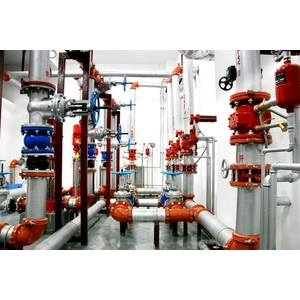
- Suitable for buried pipelines, pump stations, and treatment plants
For these reasons, double eccentric butterfly valves are frequently specified for transmission mains, distribution networks, and pumping facilities.
Key Specification Parameters
1. Valve Size Selection
The valve diameter is normally selected according to pipeline size.
For municipal and industrial water projects, common specifications include:
| Pipeline Size |
Typical Valve Size |
| DN200–DN400 |
Distribution Pipelines |
| DN500–DN1000 |
Pump Stations & Transmission Lines |
| DN1200–DN1800 |
Major Water Conveyance Projects |
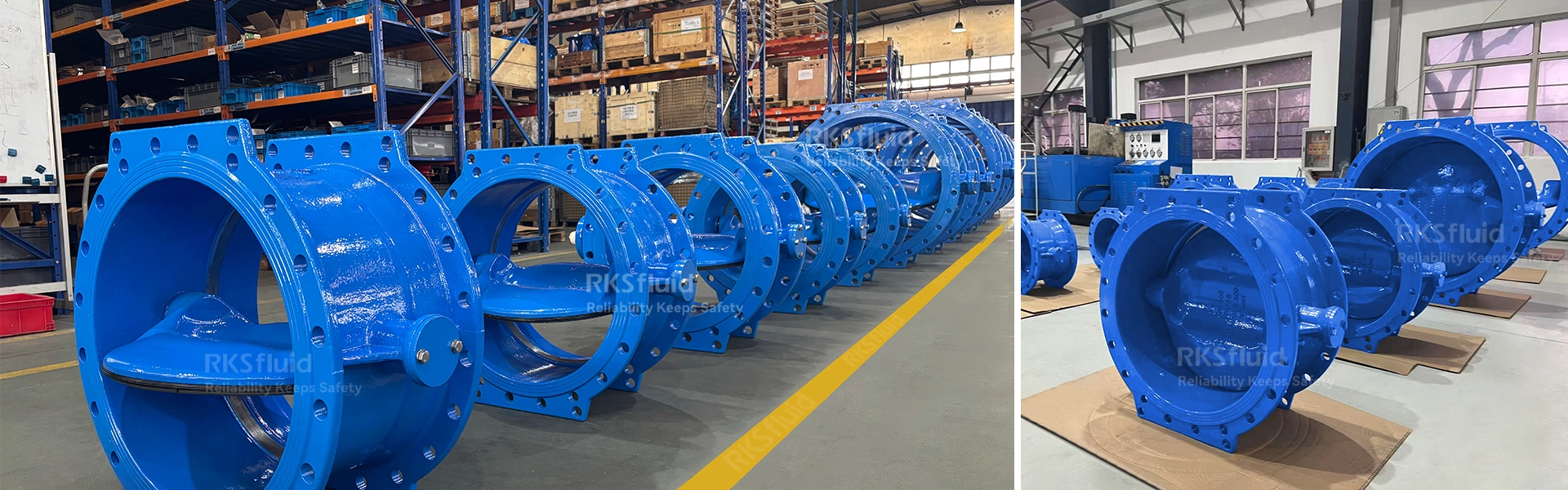
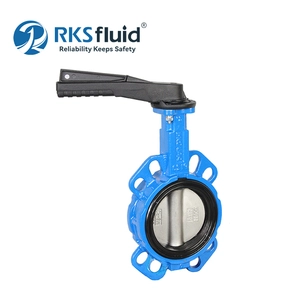
ATHENA double eccentric butterfly valves are available from DN200 to DN1800, covering most large-diameter water transmission applications.
2. Pressure Rating Requirements
Pressure class selection depends on:
- Static pressure
- Pump discharge pressure
- Surge conditions
- Future system expansion
For most municipal water projects, PN10 and PN16 are commonly specified.
ATHENA valves are available in PN10 and PN16 configurations for water infrastructure systems.
3. Face-to-Face Standards
Project specifications often require compliance with recognized international standards to simplify installation and replacement.
One commonly requested standard is:
EN558 Series 14
This standard helps ensure compatibility with existing pipeline layouts and replacement projects.
ATHENA valves are manufactured with face-to-face dimensions according to EN558 Series 14.
Actuator Selection Considerations
Selecting the proper actuator is just as important as selecting the valve itself.
EPC engineers generally evaluate:
Manual Gearbox
Suitable for:
- Remote installations
- Emergency isolation
- Low operating frequency
Electric Actuator
Suitable for:
- SCADA integration
- Water treatment plants
- Pump station automation
Pneumatic Actuator
Suitable for:
- Fast operation requirements
- Industrial process systems
ATHENA valves are designed with ISO 5211 mounting interfaces to accommodate gearbox and actuator configurations.
Factors Affecting Long-Term Lifecycle Cost
Experienced EPC engineers do not evaluate valves solely on purchase price.
They also consider:
Operating Torque
Lower operating torque can reduce actuator size and energy consumption.
Seat Wear
The double eccentric design minimizes friction between the disc and seat during operation, helping extend sealing performance.
Maintenance Accessibility
Large-diameter valves should allow efficient inspection and maintenance during shutdown periods.
Spare Parts Availability
Availability of replacement components and technical support is often included in supplier evaluation.
Typical Water Infrastructure Applications
Double eccentric butterfly valves are commonly specified for:
Municipal Water Transmission Pipelines
Large-diameter transmission mains connecting reservoirs and distribution systems.
Pumping Stations
Isolation and flow control applications at pump suction and discharge locations.
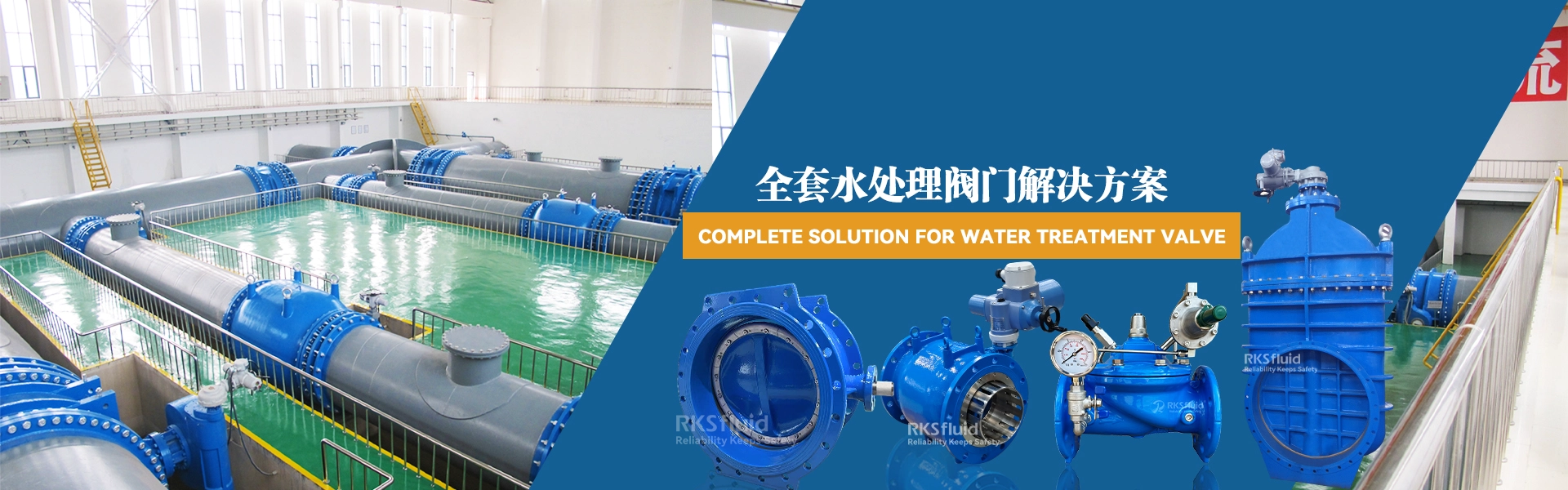
Water Treatment Plants
Process isolation within filtration, treatment, and distribution systems.
Irrigation Networks
Flow isolation and distribution control in agricultural water systems.
Supplier Evaluation Criteria Used by EPC Contractors
When evaluating butterfly valve suppliers, EPC contractors typically review:
- Manufacturing capability
- Compliance with project standards
- Valve testing procedures
- Quality control systems
- Engineering support capability
- Delivery reliability
- Long-term service support
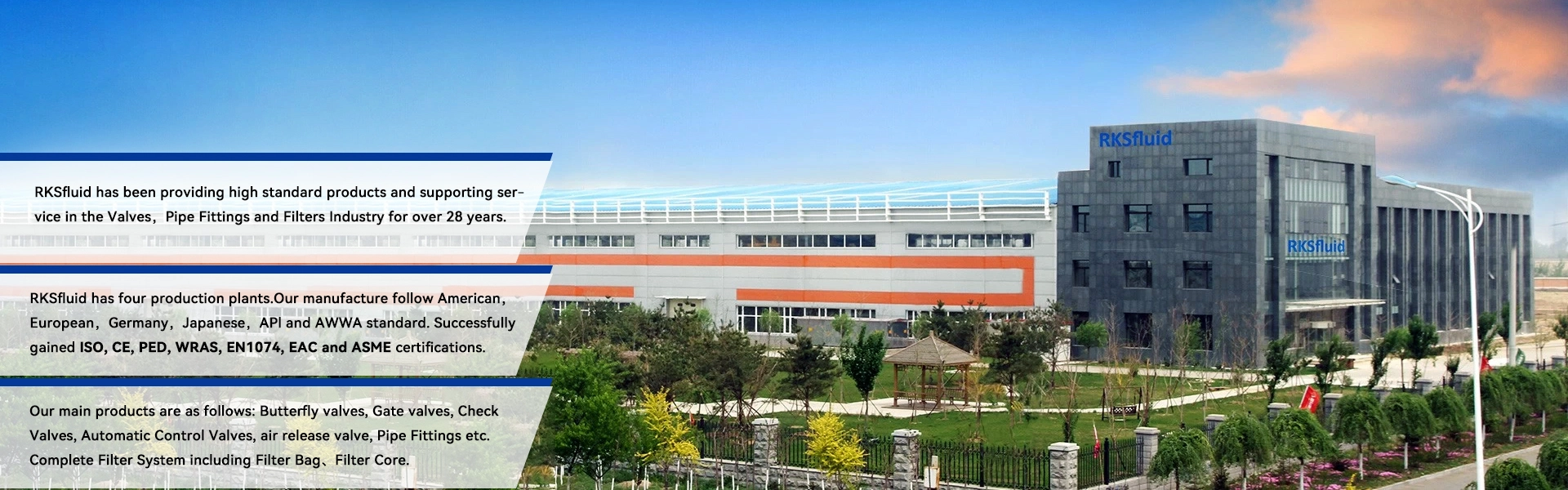
A supplier that can provide complete technical documentation, actuator sizing support, and project-specific configurations is generally preferred during project procurement.
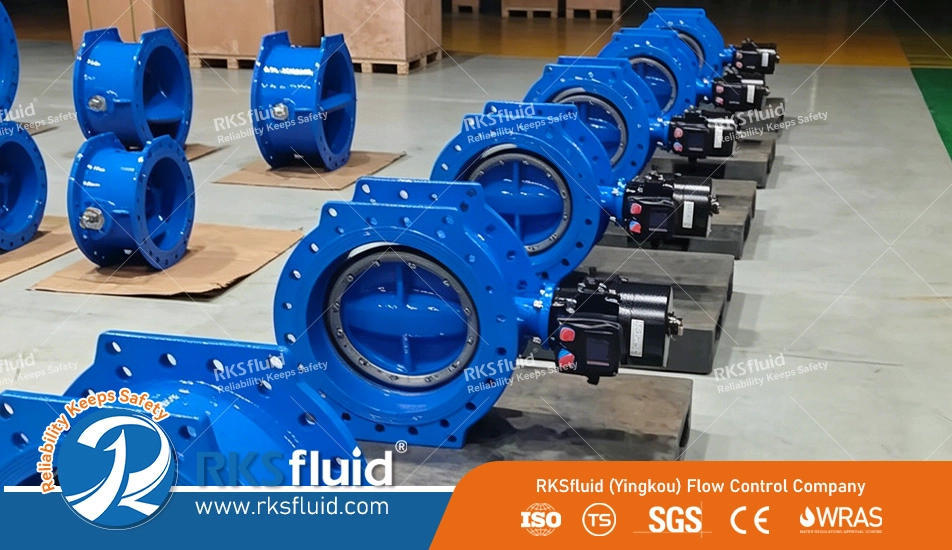
Specifying a double eccentric butterfly valve is not simply a matter of choosing a valve size. EPC engineers must evaluate pressure ratings, pipeline conditions, actuator requirements, lifecycle cost, and compliance with project standards.
For water infrastructure projects requiring reliable isolation of medium and large-diameter pipelines, double eccentric butterfly valves continue to be one of the most widely accepted engineering solutions.
 +86 138 8989 6699