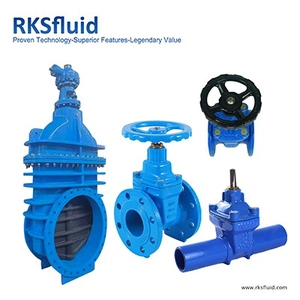
Valve selection is one of the key engineering decisions in large-diameter pipeline projects. For water transmission systems, pumping stations, industrial pipelines, and municipal infrastructure, engineers must consider not only valve type, but also operating conditions, installation space, maintenance requirements, and long-term system reliability.
Two commonly specified isolation valves are:
Although both valves can be used for pipeline isolation, their design characteristics make them suitable for different engineering conditions.
Understanding the differences helps EPC contractors, consultants, and project owners select the most appropriate valve solution.
Design Differences Between Double Eccentric Butterfly Valves and Gate Valves
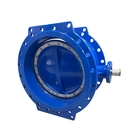
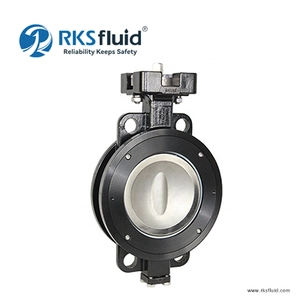
Double Eccentric Butterfly Valve
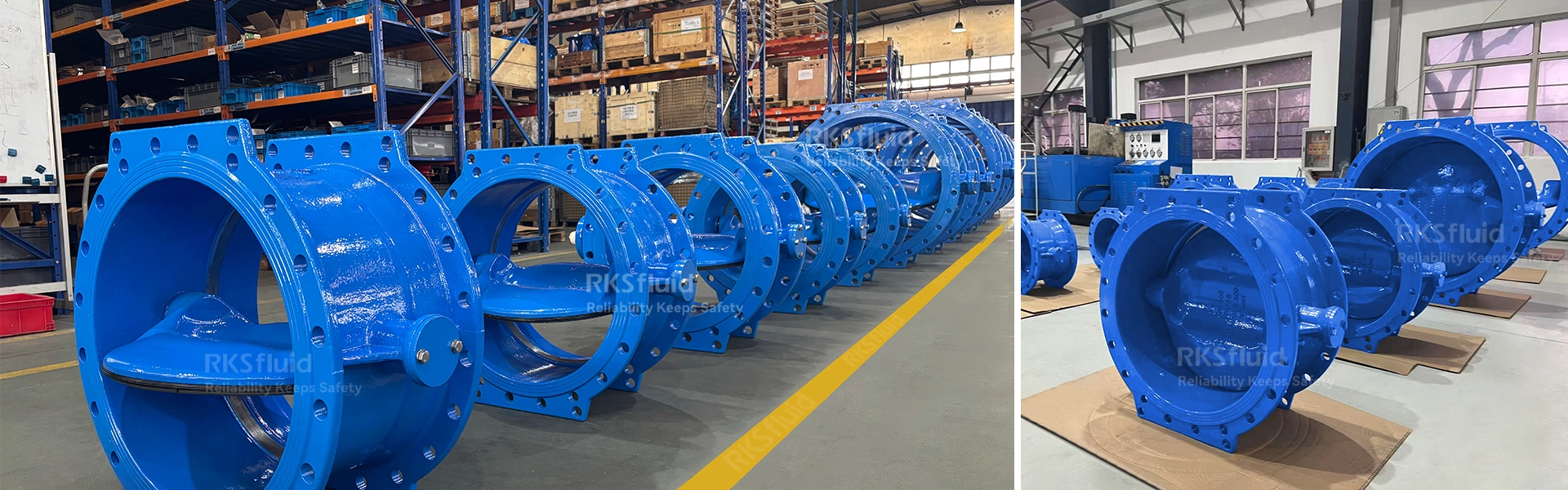
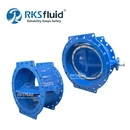
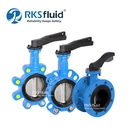
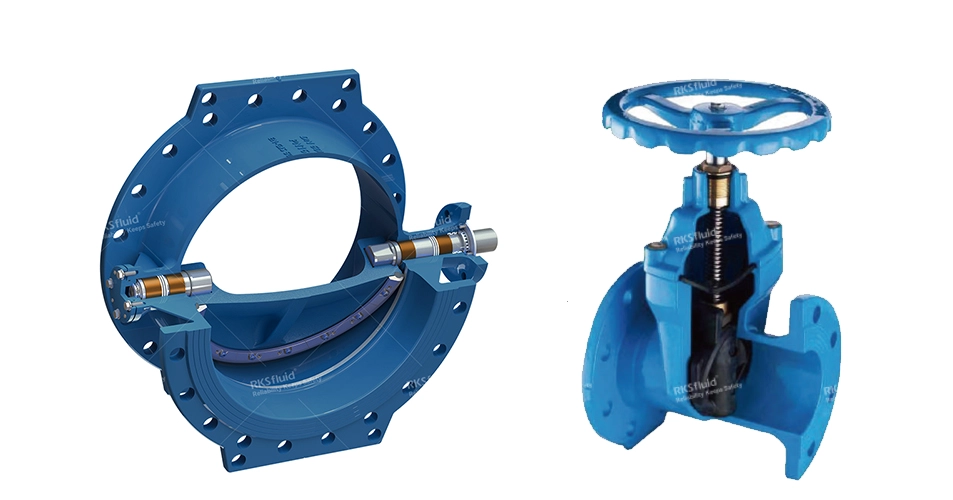
A double eccentric butterfly valve uses an offset disc design where the valve shaft position is displaced from the centerline and sealing axis.
During operation, the disc gradually moves away from the seat, reducing friction between sealing surfaces.
This design helps:
- Reduce operating torque
- Minimize seat wear
- Improve sealing durability
- Support frequent operation requirements
Double eccentric butterfly valves are commonly applied in medium and large-diameter water pipelines where compact design and reliable operation are important.
Gate Valve
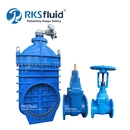
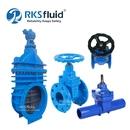
A gate valve operates by moving a gate vertically to open or close the flow passage.
When fully open, the gate valve provides a nearly unobstructed flow path.
Gate valves are often selected for applications requiring:
- Full flow passage
- Minimal pressure loss
- Reliable isolation
- Long-term shut-off service
Key Selection Factors for EPC Pipeline Projects
1. Pipeline Diameter and Installation Space
For large-diameter pipelines, installation conditions are often a major consideration.
Butterfly valves generally have:
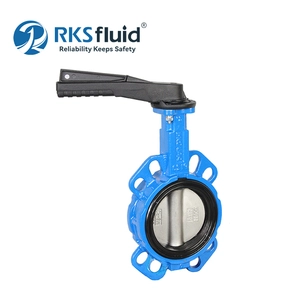
- Shorter face-to-face dimensions
- Lower weight
- Smaller installation footprint
These characteristics can simplify installation, especially in: Pump stations, Valve chambers, Treatment facilities
Gate valves usually require more installation space because of their larger body structure and operating mechanism.
2. Flow Control and Isolation Requirements
The intended valve function affects selection.
For frequent operation or flow adjustment:
Double eccentric butterfly valves are often preferred because the disc design allows easier operation and lower torque requirements.
For isolation service:
Gate valves are widely used where full opening and closing operation is required.
In many water pipeline systems, both valve types may be used depending on the pipeline section function.
3. Pressure Loss Considerations
Hydraulic performance is an important factor in pipeline design.
When fully open:
- Gate valves provide a relatively straight flow passage
- Butterfly valves may introduce some flow disturbance due to disc position
However, in large water transmission projects, the overall hydraulic impact depends on:
- Pipeline velocity
- Valve size
- Operating condition
- System design requirements
Therefore, valve selection should be based on actual hydraulic calculations rather than valve type alone.
4. Operating Torque and Actuator Selection
Large valves often require actuators or gear operators.
Double eccentric butterfly valves generally benefit from the reduced friction caused by the eccentric design.
This can help reduce:
- Actuator sizing requirements
- Operating force
- Mechanical wear
Gate valves may require larger operating mechanisms depending on size, pressure, and service conditions.
For automated projects, actuator selection should be based on:
- Valve torque requirements
- Differential pressure
- Operation frequency
- Control system requirements
5. Maintenance and Lifecycle Considerations
EPC contractors increasingly consider lifecycle cost instead of only initial purchase price.
Important factors include:
- Valve operating frequency
- Maintenance accessibility
- Spare parts availability
- Service conditions
Double eccentric butterfly valves can be advantageous in applications requiring frequent operation due to reduced sealing friction.
Gate valves can provide reliable long-term isolation when properly selected and maintained.
Typical Applications
Double Eccentric Butterfly Valve Applications
Common applications include:
- Water transmission pipelines
- Pump stations
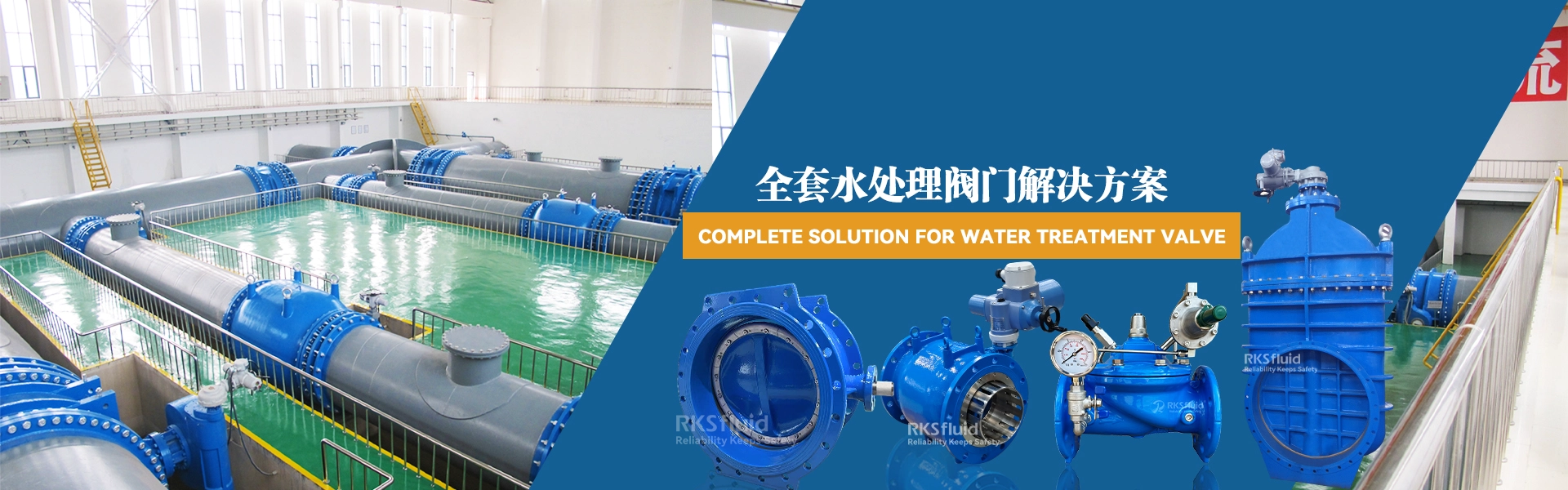
- Water treatment plants
- Irrigation systems
- Industrial water systems
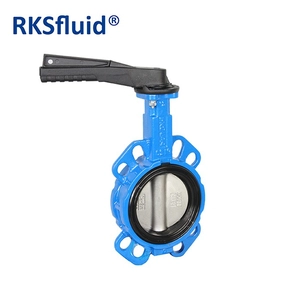
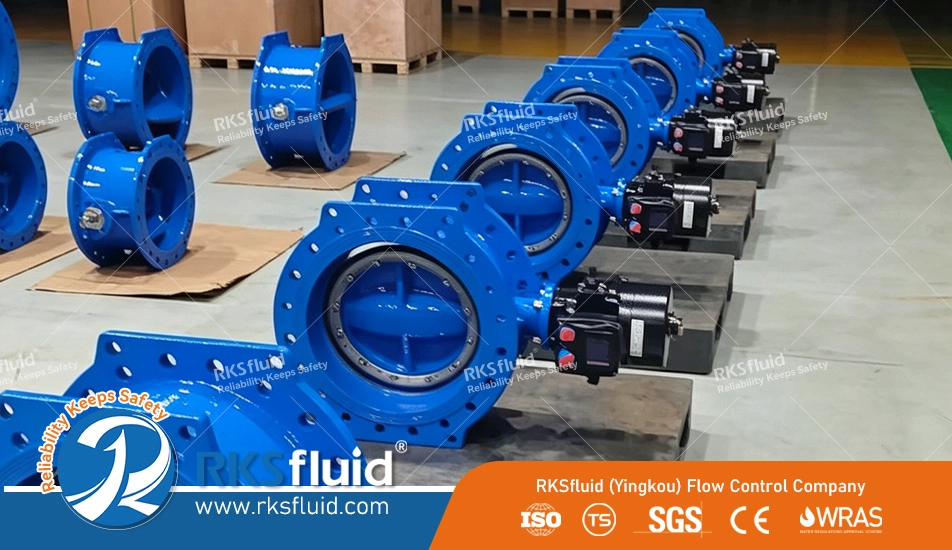
ATHENA Double Eccentric Butterfly Valve series is designed for large-diameter pipeline applications with sizes from DN200 to DN1800 and pressure ratings PN10 and PN16.
The valve design follows EN558 Series 14 face-to-face dimensions and supports ISO5211 actuator mounting configurations.
Gate Valve Applications
Gate valves are commonly used in:
- Main pipeline isolation
- Water distribution networks
- Industrial process pipelines
- Systems requiring full flow opening
They are especially suitable where the valve remains fully open or fully closed for long periods.
How EPC Engineers Make the Final Decision
A practical valve selection process usually evaluates:
| Consideration |
Double Eccentric Butterfly Valve |
Gate Valve |
| Large diameter application |
Excellent |
Suitable |
| Installation space |
Compact |
Larger |
| Frequent operation |
Suitable |
Less preferred |
| Full bore requirement |
Depends on design |
Advantage |
| Automation |
Common |
Available |
| Isolation service |
Suitable |
Excellent |
The final choice depends on project requirements, pipeline design, and operating conditions.
Need Technical Support for Your Valve Selection?
Selecting the appropriate valve for a large-diameter pipeline requires careful evaluation of operating pressure, pipeline configuration, installation conditions, and long-term maintenance requirements.
RKSfluid provides engineering support for valve selection, technical documentation, actuator matching, and customized solutions for municipal water, water treatment, industrial pipelines, and EPC infrastructure projects.
If you are planning a new project or evaluating valve options, our engineering team is ready to help you identify the most suitable solution for your application.
Contact RKSfluid to discuss your project requirements or request technical support.
 +86 138 8989 6699