 +86 138 8989 6699














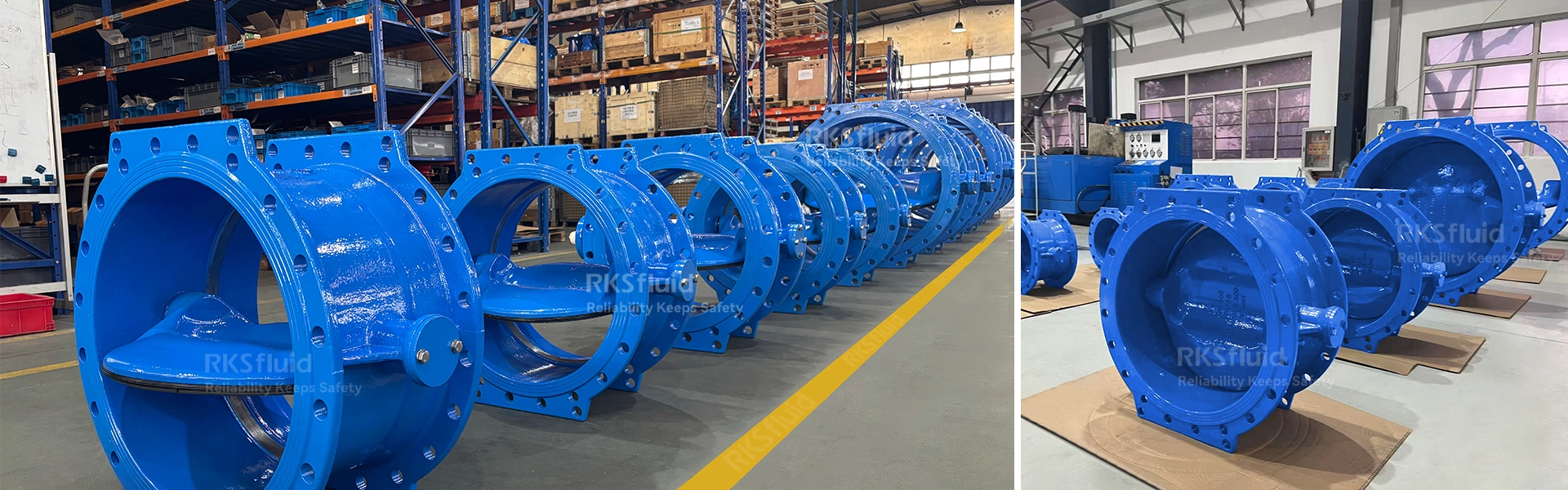
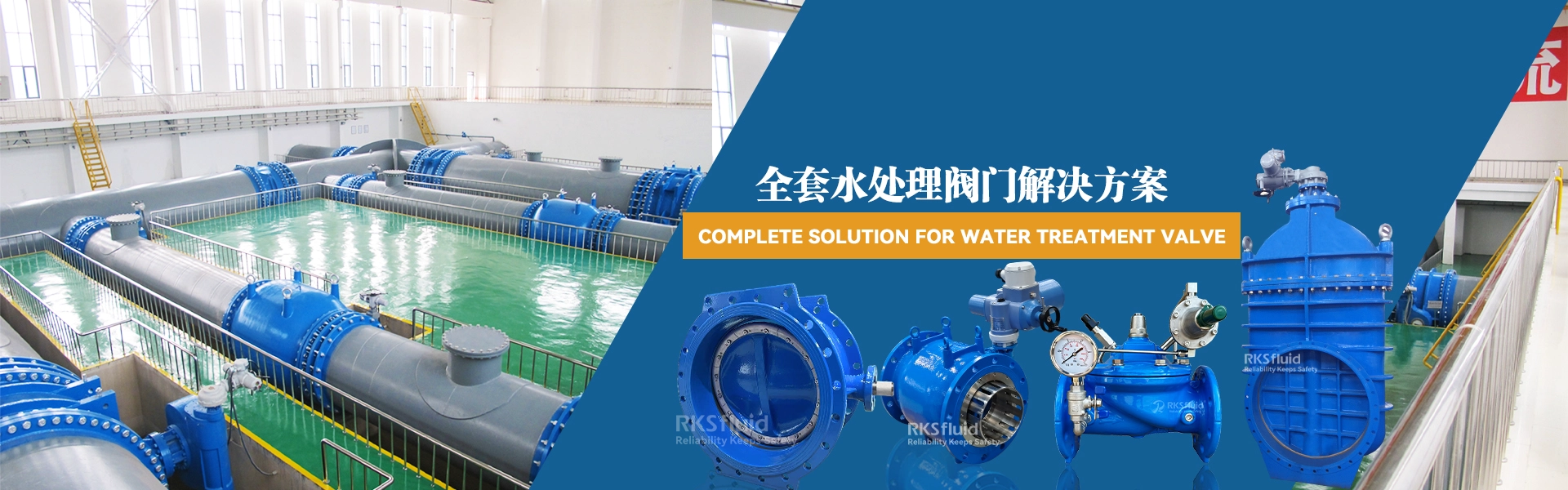
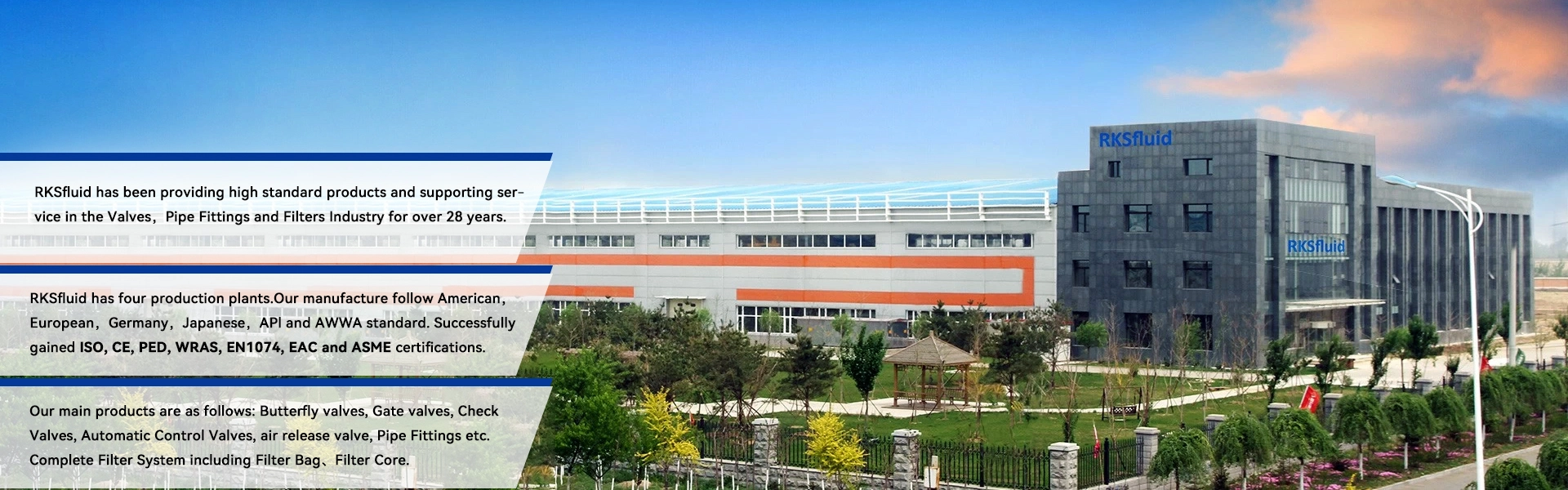
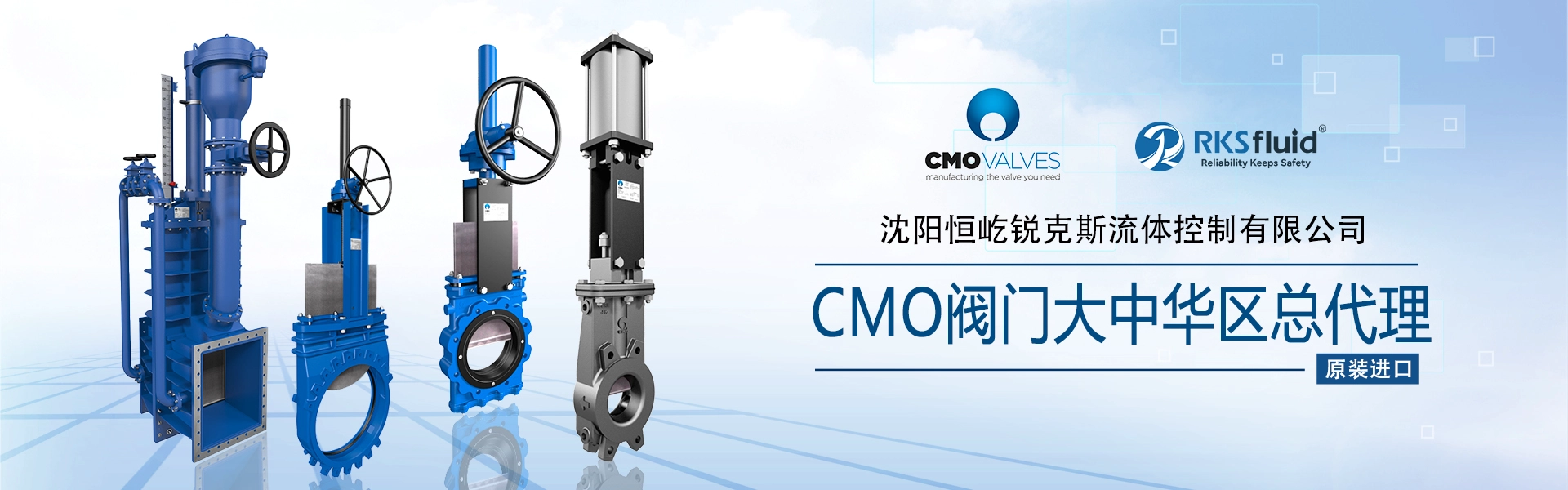




RKS fluid was founded in 1997. We are a production workshop for both foundry and machining, research & development center, and quality inspection cent...
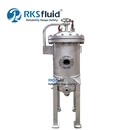
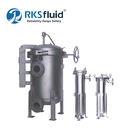
Type:Cartridge filter Material:SS304, SS316L Filtration Precision:0.1-20um Pressure:0.6Mpa, 1.0Mpa Filter core number:1~12 PC Filter element length: 2~40 inch Temperature:≦130℃ Application: Chemical industry. Water treatment, Papermaking, Automobile industry, petroleum, Machining, Coating, electronic etc.
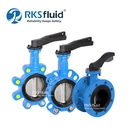
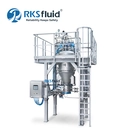
Series: Candle Filter Filter core length: 800~2500 Filter cylinder dimensions: 550~2200 Filter cake specification:15~60mm Filter core number: 7~205 Filter area: 0.9~144.8㎡ Application: Biopharmaceutical, Chemical Industry, Food and beverages, Metal processing
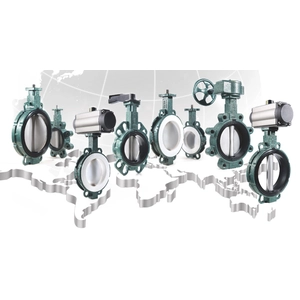
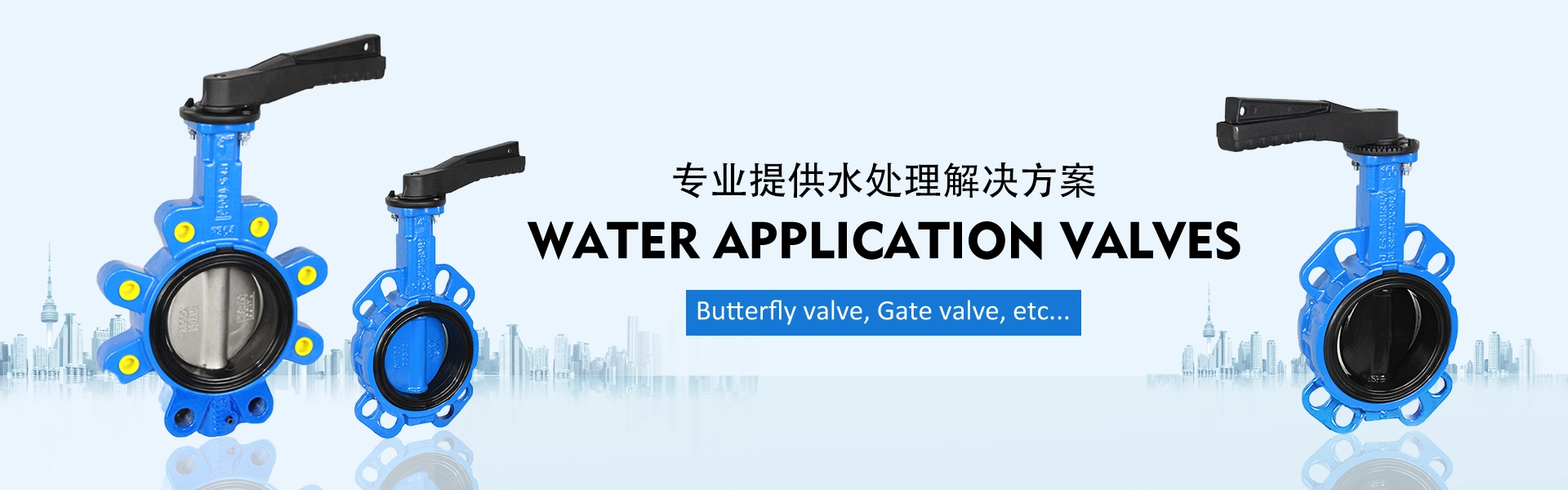
Butterfly valves have been around for a long time, and are used for a variety of applications. They made their first appearance during the 1930s, and have been utilized by several industries ever since. Often made out of cast iron, butterfly valve's name is based from the functionality of its disc.
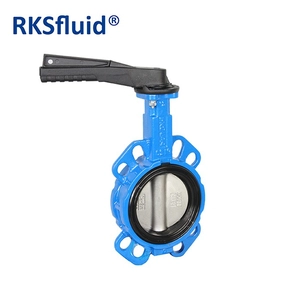
The wafer butterfly valve is one of the most common types of valves in industrial pipelines. The structure of wafer butterfly valve itself is relatively small. It is only necessary to put the butterfly valve in the middle of the flange at both ends of the pipe, and use the stud bolt to pass through the pipe flange and the pair.
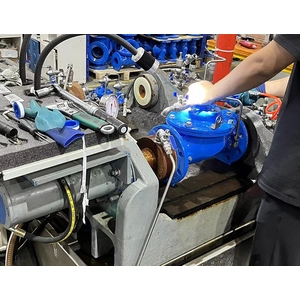
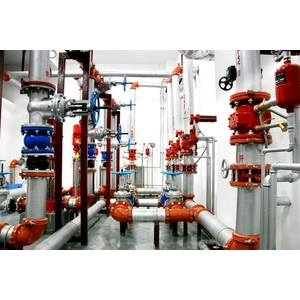
Valves are the most common equipment in chemical companies. It seems easy to install valves, but if they are not implemented in accordance with the re...
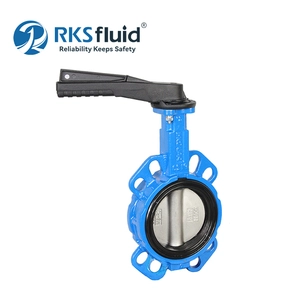
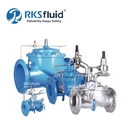
The manual valve is a valve operated by the handle and the hand wheel, and is a commonly used valve on the equipment pipeline.

DIN standard now uses EN standard structure length
EN 558-1 PN flange connection valve construction length (instead of DIN 3202), EN 558-2 CLASS flange connection valve construction length (instead of BS2080), EN 12982 butt weld end valve construction length (instead of DIN 3202), DIN standard The length of the structure including the length of the API valve is basically the same as the length of the GB...
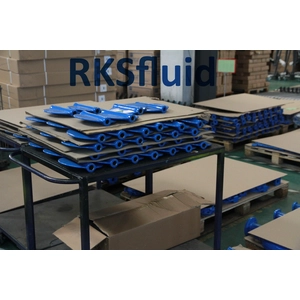
The butterfly valve disc is a key component of the butterfly valve, which acts on closing and opening and closing. Butterfly valve seat and butterfly ...
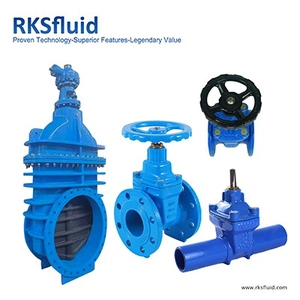
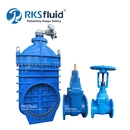
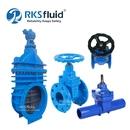
Resilient-seated gate valve with bolted cover connection; made of ductile iron materials and with epoxy coating, designed as both clockwise and anti-c...
What is Kieselguhr Filter? What's the working principle of Kieselguhr Filter? The kieselguhr filter (Candle filter / Cake Filter) which we for customized for fluorine chemical plant six more lithium fluoride phosphate phosphorus process have been installed and working for two years
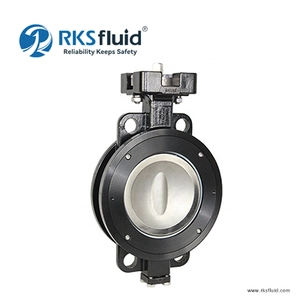
MINOTAUR series replaceable seat high performance butterfly valve
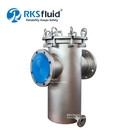
Basket filters and Y strainers are two commonly used filtration devices in industrial pipeline systems. Both are designed to remove solid particles from liquids and protect downstream equipment such as pumps, valves and flow meters.
Although their purpose is similar, their structure, filtration capacity and typical application scenarios are different.
Structural Design Differences
The main difference between a basket filter and a Y strainer lies in the internal screen structure and body configuration.
Y strainer features a compact Y-shaped body where the filter screen is positioned diagonally inside the pipeline flow path. This design is space-efficient and commonly used in smaller pipelines.
Basket filter, on the other hand, uses a larger cylindrical or basket-shaped screen installed inside a chamber perpendicular to the pipeline flow. This configuration provides a larger filtration area and higher debris holding capacity.
Because of the larger internal volume, basket filters are generally installed in horizontal pipelines and are commonly used in medium to large diameter systems.
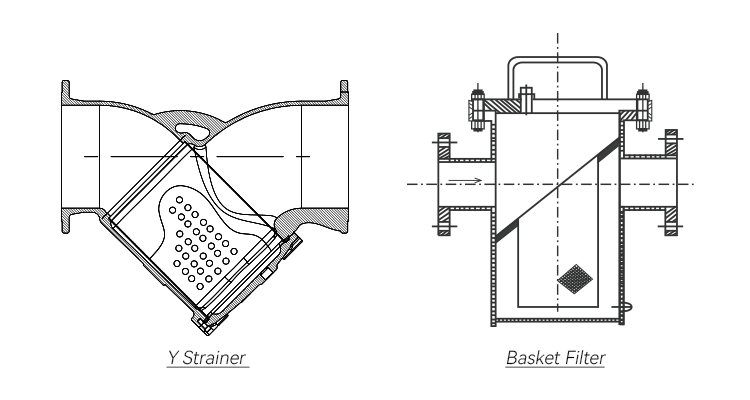
Filtration Capacity and Flow Performance
Due to its larger screen area, a basket filter typically offers greater dirt-holding capacity compared with a Y strainer.
In systems where the fluid may carry a relatively high level of suspended solids, basket filters can maintain stable filtration performance for longer periods before cleaning is required.
Y strainers are more suitable for systems where the contamination level is relatively low and space constraints are a consideration.
From a hydraulic perspective, the larger filtration area of a basket filter can also help reduce pressure drop under high flow conditions.
Maintenance and Cleaning
Maintenance procedures differ between the two designs.
For Y strainers, cleaning usually involves removing the cover and extracting the screen from the angled chamber. In systems with frequent debris accumulation, maintenance intervals may be shorter.
Basket filters typically allow easier removal of the basket element through the top cover. The larger screen volume allows more debris to accumulate before cleaning becomes necessary.
In many water treatment and industrial filtration systems, this can reduce maintenance frequency.
Typical Application Scenarios
Y strainers are commonly used in:
Basket filters are often selected for:
The choice between the two should be based on operating conditions rather than assuming one type is universally better.
Material and Pressure Options
Both basket filters and Y strainers are available in various materials depending on the service environment, including: carbon steel, stainless steel, duplex stainless steel
Pressure ratings also vary depending on the design standard and application requirements.
For high-pressure industrial systems, proper material selection and screen design are essential for reliable operation.
Both basket filters and Y strainers play important roles in protecting pipeline systems from solid contamination. Each design offers advantages depending on the system configuration and operating conditions.
Selecting the appropriate filtration solution requires evaluating pipeline size, contamination level and maintenance requirements to ensure reliable long-term performance.
Technical Support for RKSfluid Basket filters, If you would like more information, including specifications, engineering support, or project consultation, please feel free to contact our team.
You can reach our international sales department by phone at +86 (0)24 2318 0188-856, send an email to damon@rksfluid.com, or leave us a message and our team will respond shortly.