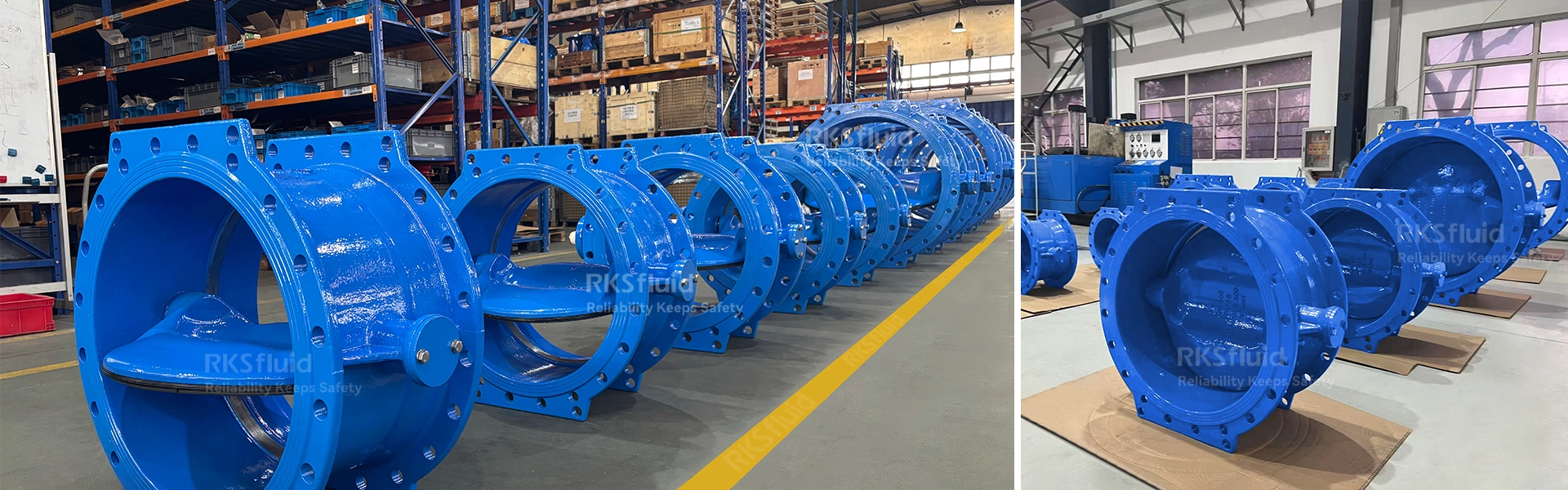
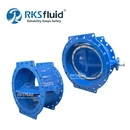
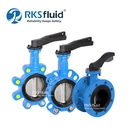
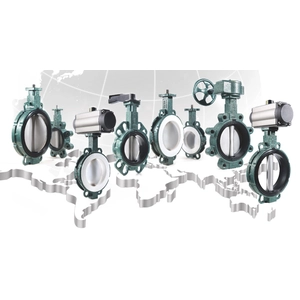
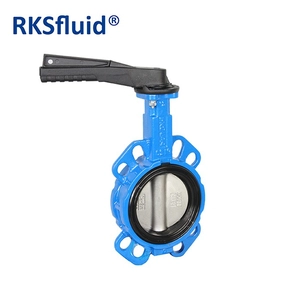
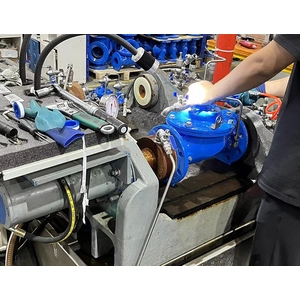
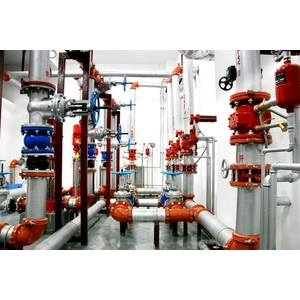
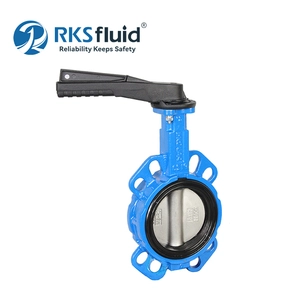
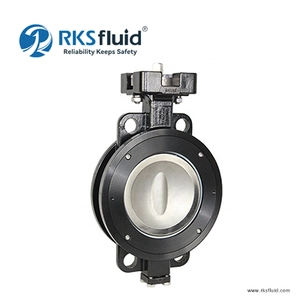
Double eccentric butterfly valves are widely used in modern water transmission and distribution systems where reliable sealing, low operating torque and long service life are required.
Compared with traditional concentric butterfly valves, double eccentric designs are better suited for large diameter pipelines, pump stations and municipal water infrastructure projects.
This engineering guide explains:
- How double eccentric butterfly valves work
- Why they are widely used in water systems
- Typical installation and maintenance considerations
- Torque and actuator selection
- Common leakage and installation problems
......
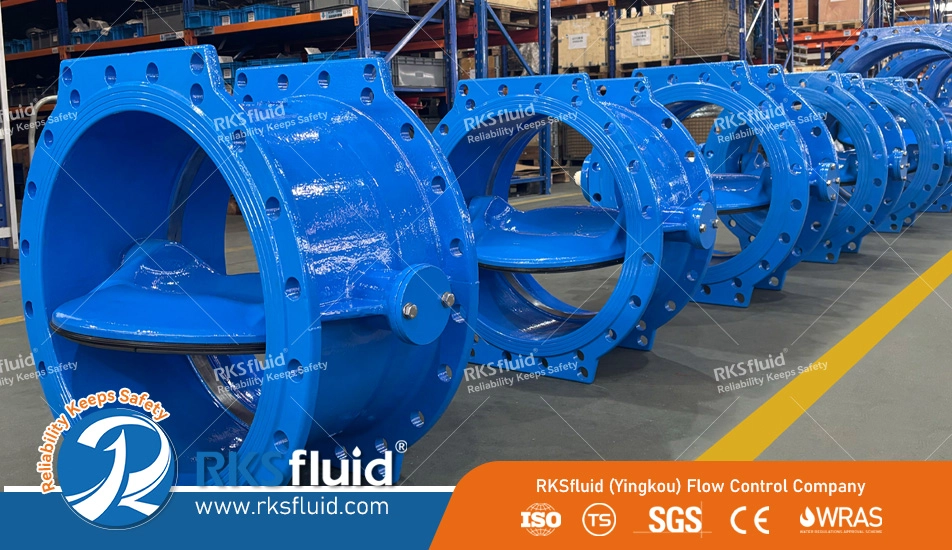
ATHENA double eccentric butterfly valves are designed according to EN593 and EN1074 standards for municipal and industrial water pipeline applications.
1. What Is a Double Eccentric Butterfly Valve?
A double eccentric (double offset) butterfly valve is designed with two offsets between the shaft, disc and seat centerline. This geometry reduces direct friction between the disc and seat during opening and closing operations.
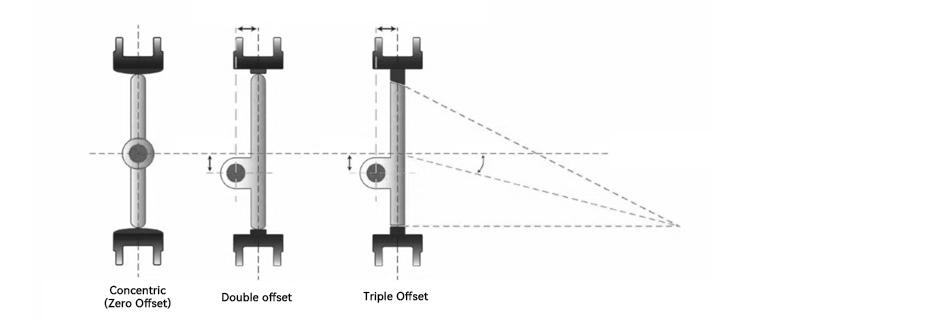
Compared with concentric butterfly valves, double eccentric designs provide:
- Lower operating torque
- Reduced seat wear
- Improved sealing reliability
- Longer service life
- Better suitability for large diameter applications
For municipal water transmission systems, these advantages become increasingly important as valve size and operating frequency increase.
2. Why Double Eccentric Butterfly Valves Are Widely Used in Water Pipeline Systems
In modern water infrastructure projects, engineers often prioritize:
- Reliable shut-off performance
- Reduced maintenance requirements
- Lower lifecycle costs
- Compact installation dimensions
- Automation compatibility
Double eccentric butterfly valves are widely selected because they can balance sealing performance and operational efficiency in large diameter pipelines.
Typical applications include:
- Municipal water transmission pipelines
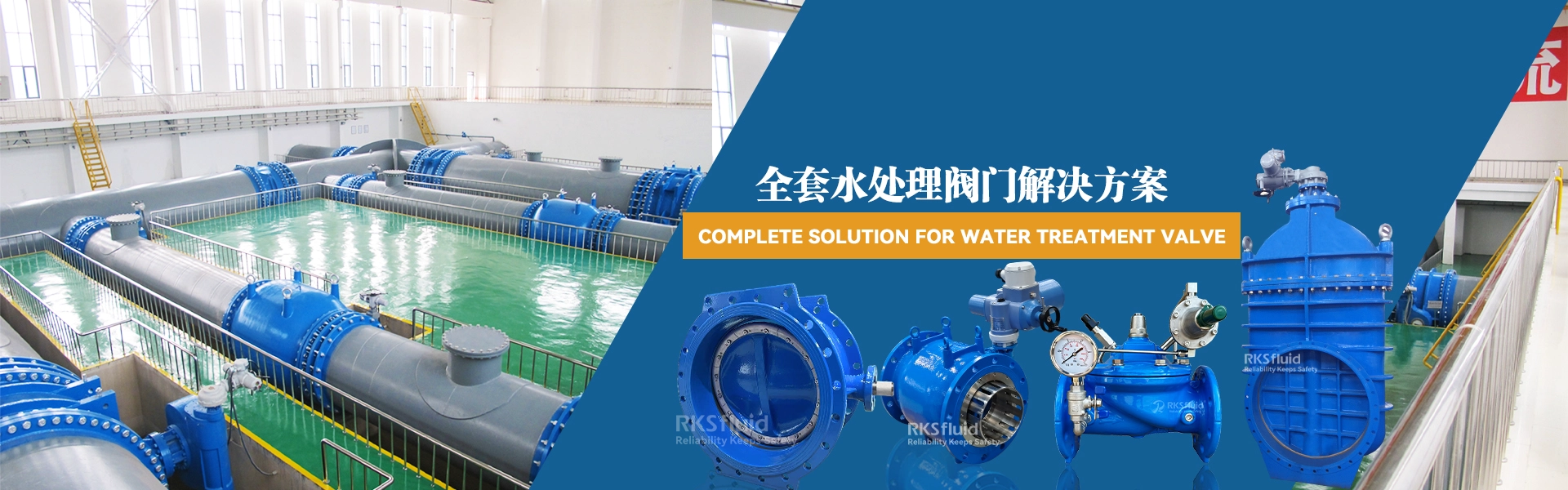
- Water treatment plants
- Pump stations
- Reservoir systems
- Irrigation networks
- Buried valve chambers
- Industrial water systems
For buried or flood-prone installations, ATHENA valves are available with optional IP68 gearbox configurations for submerged service conditions.
ATHENA double eccentric butterfly valves are engineered for municipal water transmission systems, pump stations and large diameter pipelines requiring reliable long-term shut-off performance.
3. Typical Engineering Challenges in Large Diameter Pipeline Projects
As pipeline diameter increases, valve operating conditions become more demanding.
Common engineering challenges include:
- High operating torque
- Installation alignment difficulties
- Pipeline stress transfer
- Sealing wear under frequent operation
- Gearbox protection in buried chambers
- Leakage risks after commissioning
Selecting the correct valve type is therefore not only a product decision, but also a long-term operational reliability decision.
4. Understanding Operating Torque and Actuator Selection
Operating torque is one of the most important factors in butterfly valve selection.
Torque requirements are affected by:
- Valve size (DN)
- Differential pressure
- Seat design
- Valve geometry
- Operating frequency
- Installation conditions
Incorrect actuator sizing may result in:
- Failure to fully close the valve
- Excessive actuator wear
- Increased maintenance costs
- Reduced sealing performance
For large diameter systems, engineers typically evaluate:
- Break-to-open torque
- Running torque
- Seating torque
- Safety factor requirements
For detailed engineering considerations related to valve torque and actuator sizing, refer to the article below: "How to Calculate Butterfly Valve Torque for Actuator Selection in Large Diameter Pipelines"
5. Common Leakage Problems in Butterfly Valves
Leakage problems in pipeline systems are often not caused by manufacturing defects alone.
In many projects, leakage is related to:
Improper installation
Debris inside pipelines
Seat damage during commissioning
Excessive operating torque
Flange misalignment
Long-term seat wear
Understanding the root cause of leakage is essential for long-term pipeline reliability.
6. Installation Quality Directly Affects Valve Performance
Even high-quality butterfly valves can fail prematurely if installation procedures are incorrect.
Common installation mistakes include:
- Pipeline not cleaned before installation
- Uneven flange alignment
- Incorrect bolt tightening sequence
- Lack of valve support
- Installing valve in fully closed position during mounting
For DN500+ pipeline systems, installation quality can significantly affect:
- Sealing reliability
- Operating torque
- Seat life
- Gearbox performance
To reduce installation-related failures in large diameter pipeline systems, see the following engineering article: "Common Butterfly Valve Installation Mistakes in Large Diameter Pipelines (and How to Avoid Them)"
7. Why Double Eccentric Butterfly Valves Are Better for Large Diameter Pipelines
Compared with gate valves or concentric butterfly valves, double eccentric designs offer several advantages in large diameter water systems.
Lower Operating Torque
Reduced friction helps simplify gearbox and actuator sizing.
Compact Installation Space
Butterfly valves typically require less installation space than gate valves.
Reduced Seat Wear
The offset design minimizes friction during operation.
Faster Opening and Closing
Suitable for pump station and isolation applications.
Lower Lifecycle Cost
Reduced maintenance and easier operation can lower long-term operational cost.
These factors make double eccentric butterfly valves one of the most widely used valve types in modern water infrastructure projects.
8. Maintenance Recommendations for Long-Term Reliability
To improve service life and reduce operational risks:
Conduct periodic operational testing
- Inspect gearbox sealing condition
- Verify bolt tightness during maintenance shutdowns
- Flush pipelines before commissioning
- Avoid excessive operating torque
- Monitor leakage during operation
Preventive maintenance is significantly more cost-effective than emergency repairs in large pipeline systems.
9. Need Support for Valve Selection or Project Specifications?
If you are working on:
Municipal water transmission systems
Pump station projects
Water treatment facilities
Large diameter pipeline systems
Our engineering team can provide:
Valve selection recommendations
Torque and actuator guidance
Technical datasheets
Quotation support
Project-specific configuration recommendations
Send us your project requirements including:
Valve size (DN)
Pressure rating
Installation condition
Medium type
Automation requirements
*Our engineers will respond within 24 hours with project-specific support.
 +86 138 8989 6699