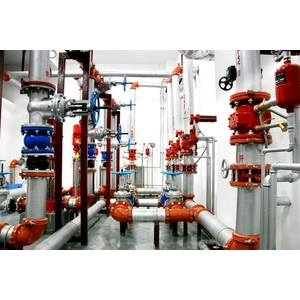
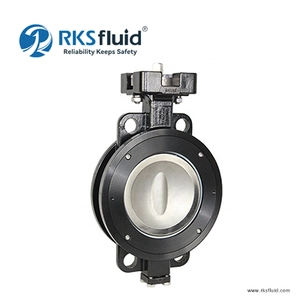
Pump stations place much higher operational demands on valve systems than conventional gravity pipelines. Frequent startup and shutdown cycles, pressure fluctuations, and large-diameter flow control all require valves with stable sealing performance and reliable operating characteristics.
For this reason, double eccentric butterfly valves are widely used in municipal water transmission systems, irrigation pumping stations, cooling water circulation systems, and industrial utility pipelines.
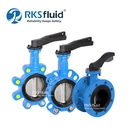
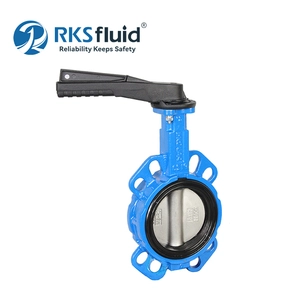
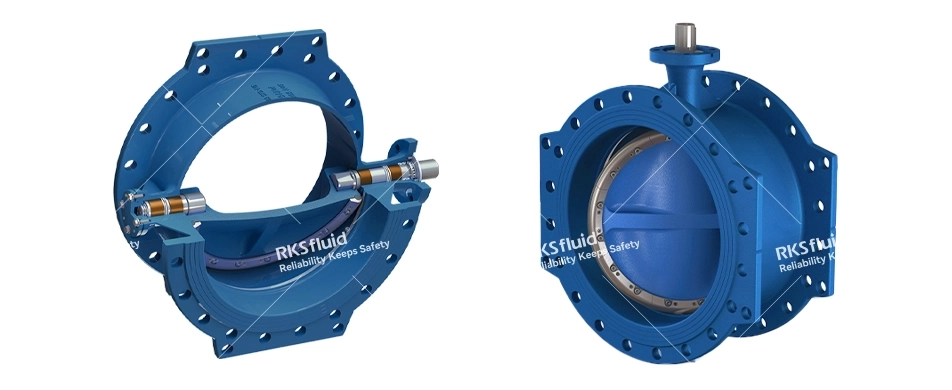
Compared with concentric butterfly valves, the double eccentric design provides lower operating torque, reduced seat wear, and better long-term reliability for medium and large diameter pump station applications.
Lower Operating Torque for Large Diameter Pipelines
One of the main challenges in pump station systems is operating torque, especially in DN800 and larger pipelines.
In many municipal pumping stations, oversized actuators or unstable gearbox operation can increase maintenance requirements and affect valve performance during frequent operation cycles.
Because the disc moves away from the sealing seat during opening, double eccentric butterfly valves reduce unnecessary seat friction during operation. This helps lower operating torque compared with conventional concentric designs.
For large diameter water transmission pipelines, this becomes particularly important when selecting:
- Worm gearboxes
- Electric actuators
- Remote control systems
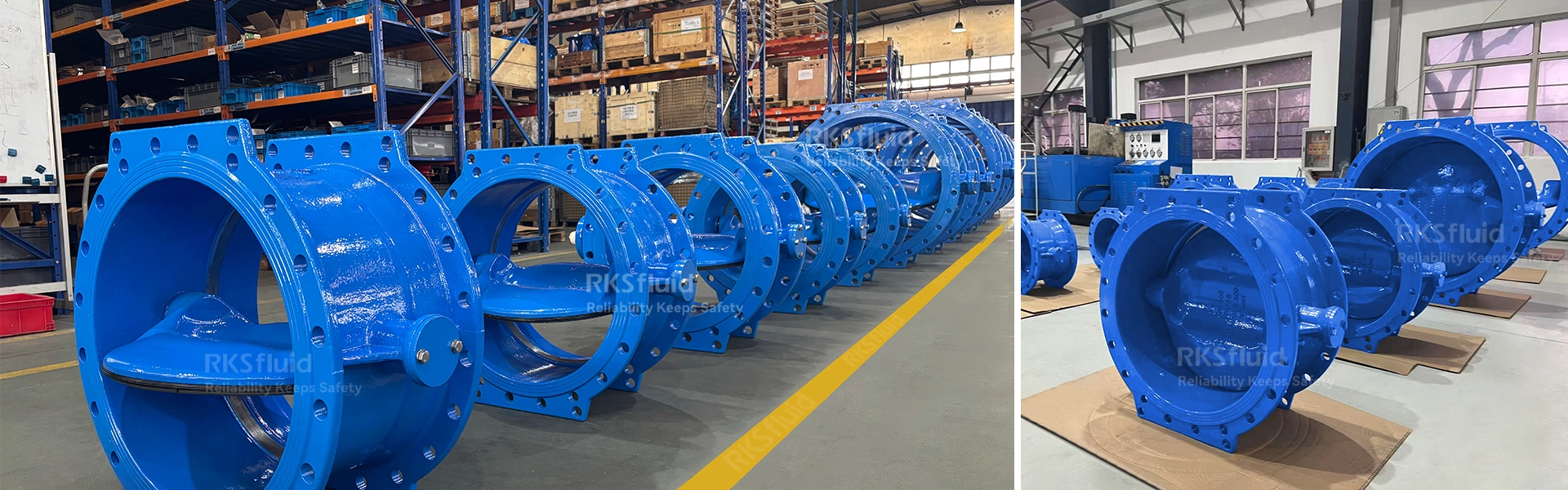
RKSfluid Athena Series double eccentric butterfly valves are available from DN150 to DN1800 and support ISO 5211 actuator mounting configurations for gearbox and automation systems.
For higher pressure systems, customized PN40 configurations are also available for selected applications.
Better Reliability in Frequent Pump Operation
Pump stations often experience repeated valve operation during:
- Pump startup
- Pump shutdown
- Flow balancing
- Emergency isolation
In these conditions, excessive seat friction can accelerate sealing wear in conventional butterfly valves.
The double eccentric structure minimizes continuous contact between the disc and sealing seat during operation, helping improve seat life and long-term sealing stability.
This is particularly beneficial for:
- Municipal water pumping stations
- Irrigation systems
- Cooling water circulation networks
- Fire protection pump rooms
Improved Performance Under Surge Conditions
Water hammer and surge pressure are common risks in long-distance pumping systems.
Improper valve closing speed or unstable actuator control can create sudden pressure fluctuations inside the pipeline, especially in large diameter water transmission systems.
In practical pump station design, valve torque stability and controlled closing characteristics are often more important than simple shut-off performance.
Double eccentric butterfly valves are commonly selected because they provide:
- Smoother opening and closing operation
- Reduced seat friction during movement
- Better compatibility with gearbox and actuator control
- More stable performance in high-cycle operation
For large municipal water projects, these factors directly affect long-term operational reliability.
More Practical for Large Diameter Water Systems
Compared with gate valves, double eccentric butterfly valves offer several practical advantages for medium and large diameter pump station pipelines:
- Shorter face-to-face dimensions
- Lower overall weight
- Easier installation
- Reduced civil space requirements
- Lower actuator load
This is one reason why they are widely used in:
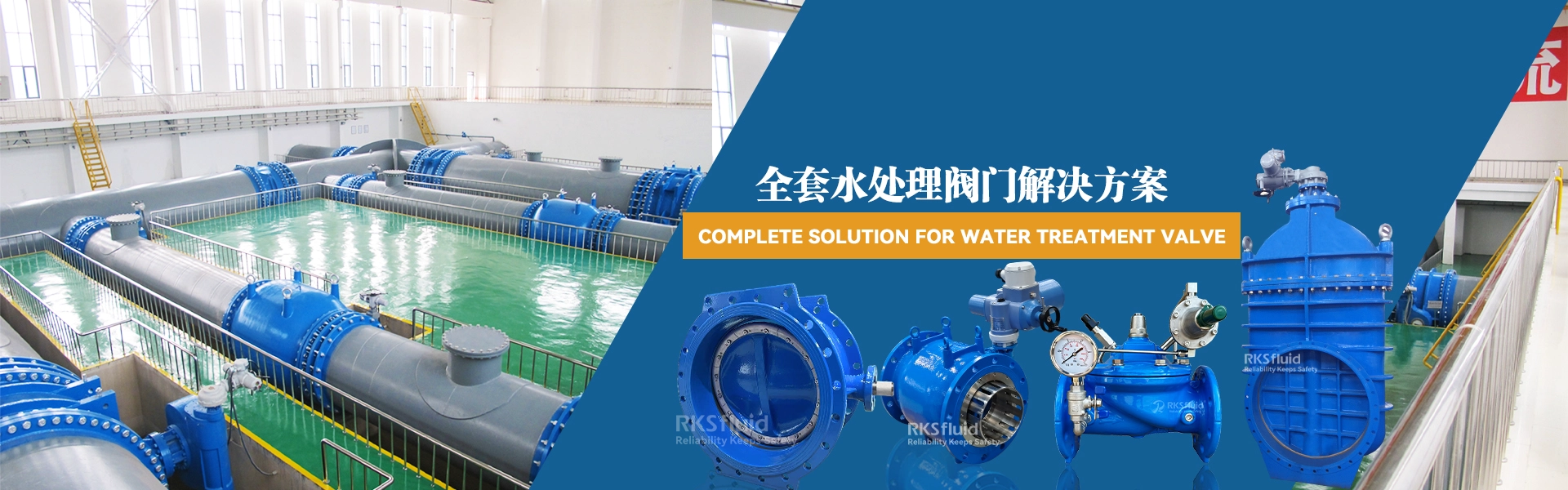
- Water treatment plants
- Raw water transmission systems
- Irrigation pumping stations
- Industrial cooling water systems
- Municipal infrastructure projects
The Athena Series is manufactured according to EN 593 and EN1074-1/2 standards, with double flange connections according to EN1092.
Available body and disc materials include:Ductile iron, EN-GJS-500-7, CF8, CF8M
Seat sealing options include EPDM and NBR depending on water quality and operating conditions.
Actuator and Gearbox Selection Remains Critical
For DN1200 and larger butterfly valves, actuator sizing should always be evaluated together with:
- Pipeline pressure conditions
- Closing speed requirements
- Surge protection strategy
- Operating frequency
In many pump station projects, improper actuator sizing can lead to unstable operation or excessive torque loading during emergency shutdown conditions.
The Athena Series supports gearbox and electric actuator configurations for medium and large diameter water pipeline applications, including optional IP68 solutions for demanding outdoor environments.
In modern pump station systems, valve selection is closely related to torque stability, surge control, maintenance requirements, and long-term operational reliability.
For medium and large diameter water pipelines, double eccentric butterfly valves provide a practical balance between sealing performance, operating efficiency, and lifecycle cost.
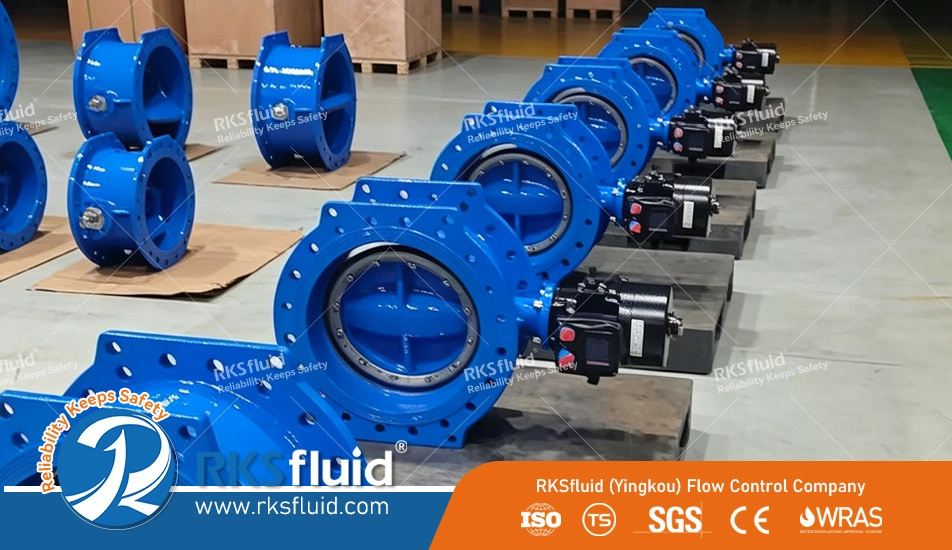
If you are looking for reliable solutions for your pipeline system, RKSfluid team is ready to support your project with professional technical advice and customized product solutions. Feel free to contact us for more information, technical consultation, or a tailored quotation.
1. Request valve torque data for your pipeline project
2. Get actuator sizing support for large diameter butterfly valves
3. Discuss pump station valve selection with RKSfluid engineers
 +86 138 8989 6699